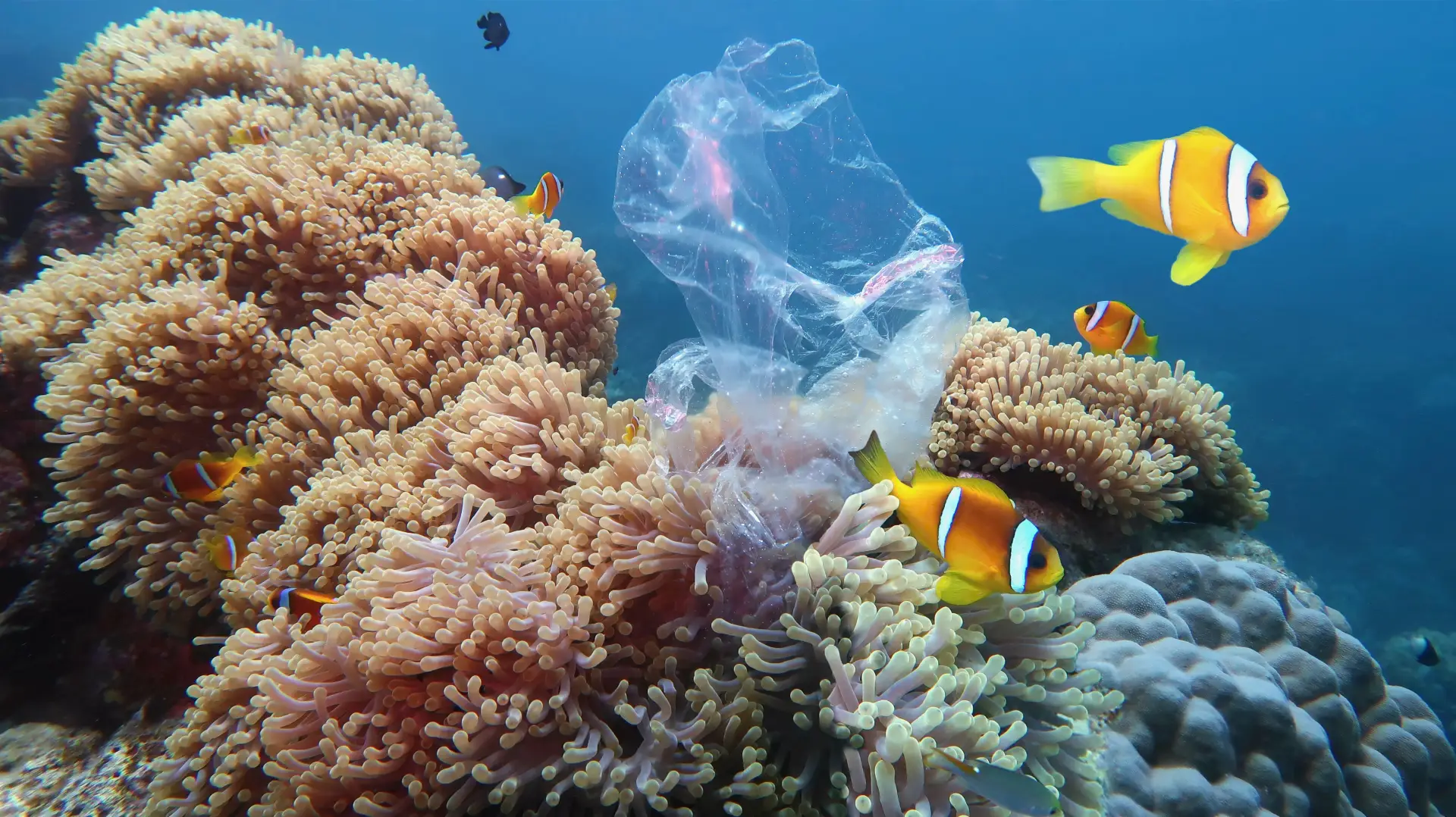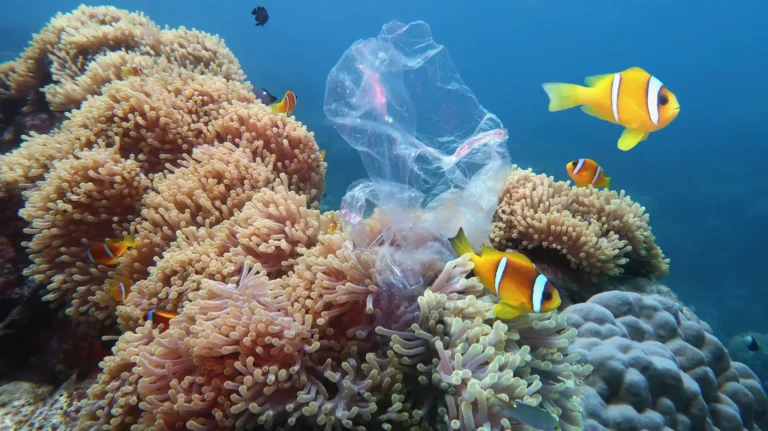
Every diver has seen it. You’re gliding over a gorgeous stretch of coral, completely lost in the moment, and then there it is: a plastic bag draped over a sea fan, a snarl of old fishing line, a bottle wedged in the rocks. It snaps you right out of the daydream.
Most of us give it a frustrated look and swim on. But what if you could turn that frustration into something the reef actually benefits from, and get a PADI certification out of it?
That’s Dive Against Debris.
What it actually is
Dive Against Debris is a PADI AWARE specialty built around one simple idea: divers are already in the water, so divers are perfectly placed to help clean it up. On the course you learn to survey a dive site, safely remove the marine debris you find, and record what you collect.
That last part is the clever bit. The data you log goes into a global database that scientists and policymakers use to understand what’s fouling our oceans, where, and how much. You’re not just picking up trash. You’re contributing to real citizen science that helps drive change above the surface too.
It’s a short, accessible specialty. If you’re a certified Open Water Diver (from age 12 on the junior version), you can take it. No heroics required, just a willingness to leave the reef better than you found it.
Removing debris the right way
Here’s something that surprises people: you don’t just yank everything you see. A big part of the course is learning what to remove and what to leave alone.
That fishing line wrapped around a coral head? Cut it free carefully so you don’t snap the coral with it. That old bottle that’s become home to a little octopus or a colony of critters? Sometimes the kinder move is to note it and leave it. You learn to tell the difference, to handle sharp or tangled debris without hurting yourself or the marine life, and to keep your buoyancy rock-solid the whole time so you’re not doing more damage than the rubbish was.
Done properly, it’s careful, thoughtful work. Done badly, a cleanup can harm the very reef you’re trying to help, which is exactly why the training matters.
Why it fits Bohol so well
Sierra Madre Divers is a PADI Eco Center, and conservation isn’t a slogan for us, it’s baked into how we operate. The sanctuary fees you pay on a dive here fund the local Bantay Dagat sea patrols who protect these reefs around the clock, something we dig into in our post on how we help protect the reef.
Bohol’s waters are healthy precisely because the community chose to protect them, a system we explain in why Bohol’s reefs are so healthy. A specialty like Dive Against Debris fits naturally into that culture. It turns you from a visitor who admires the reef into someone who actively looks after it.
It changes how you dive
The quiet magic of this course is what it does to your eyes. Once you’ve spent a dive scanning for debris and learning to work carefully around delicate life, you start noticing everything more: the way coral fights for space, the critters hiding in the rubble, the small signs of a reef that’s thriving or struggling. It makes you a sharper, gentler, more aware diver, the kind reefs everywhere need more of. If you want to see just how much is going on down there, our post on Bohol’s giant clams is a good reminder of what we’re protecting.
Want to make your next dive count for more than your logbook? Get in touch and ask us about diving with a conservation focus here as a PADI Eco Center. We’d love to put you to work for the reef.