Reef Conservation
Coral Bleaching: Is Bohol at Risk, and What a Warming Sea Means for Your Dives
Every diver remembers their first healthy reef. The riot of color, the clouds of fish, the feeling of a whole city humming with life below you. So the thought of that same reef turning bone-white and silent is a hard one to sit with.
Coral bleaching is one of the biggest threats facing reefs worldwide. If you’re planning to dive Bohol, it’s fair to ask the obvious question: is it happening here, and what does a warming ocean mean for what you’ll actually see underwater? Let’s talk about it honestly.
What Coral Bleaching Actually Is
Corals get their color, and most of their food, from microscopic algae called zooxanthellae that live inside their tissue. When water gets too warm for too long, the coral becomes stressed and expels those algae. Without them, the coral’s white skeleton shows straight through its clear tissue. That’s bleaching. A bleached coral isn’t dead, it’s starving. If the water cools in time, the algae return and the coral recovers. If the heat drags on, it dies.
The trigger is heat. Even one or two degrees above the normal summer maximum, held for a few weeks, is enough to set it off. That’s how small the margin can be.
The Global Picture Isn’t Pretty
Between early 2023 and mid-2025, the planet went through its fourth global coral bleaching event, the largest ever recorded. It was confirmed by NOAA in April 2024 and is thought to have wound down around mid-2025. The Philippines didn’t escape it. During the 2024 heat, reef surveys around the country found bleaching that ran from moderate to severe depending on the site, with some reefs watching well over half their hard corals turn white.
So, Is Bohol at Risk?
The honest answer is yes. Like every tropical reef on Earth, Bohol’s corals are vulnerable to rising sea temperatures. Warming water doesn’t respect the boundaries of a marine protected area.
But risk isn’t the whole story, and this is where Bohol has real reasons for hope. Bleaching severity varies enormously from reef to reef, even within the same region. Reefs that start out healthy, with clean water, strong fish populations, and good protection, tend to resist the heat better and bounce back faster.
That’s exactly the kind of reef Bohol has been working hard to keep. Our waters are dotted with well-managed marine protected areas, and healthy populations of algae-grazing fish keep the reef clear so stressed coral has room to recover. Cooler, deeper sites and moving currents can offer pockets of refuge, too, when the surface warms up.
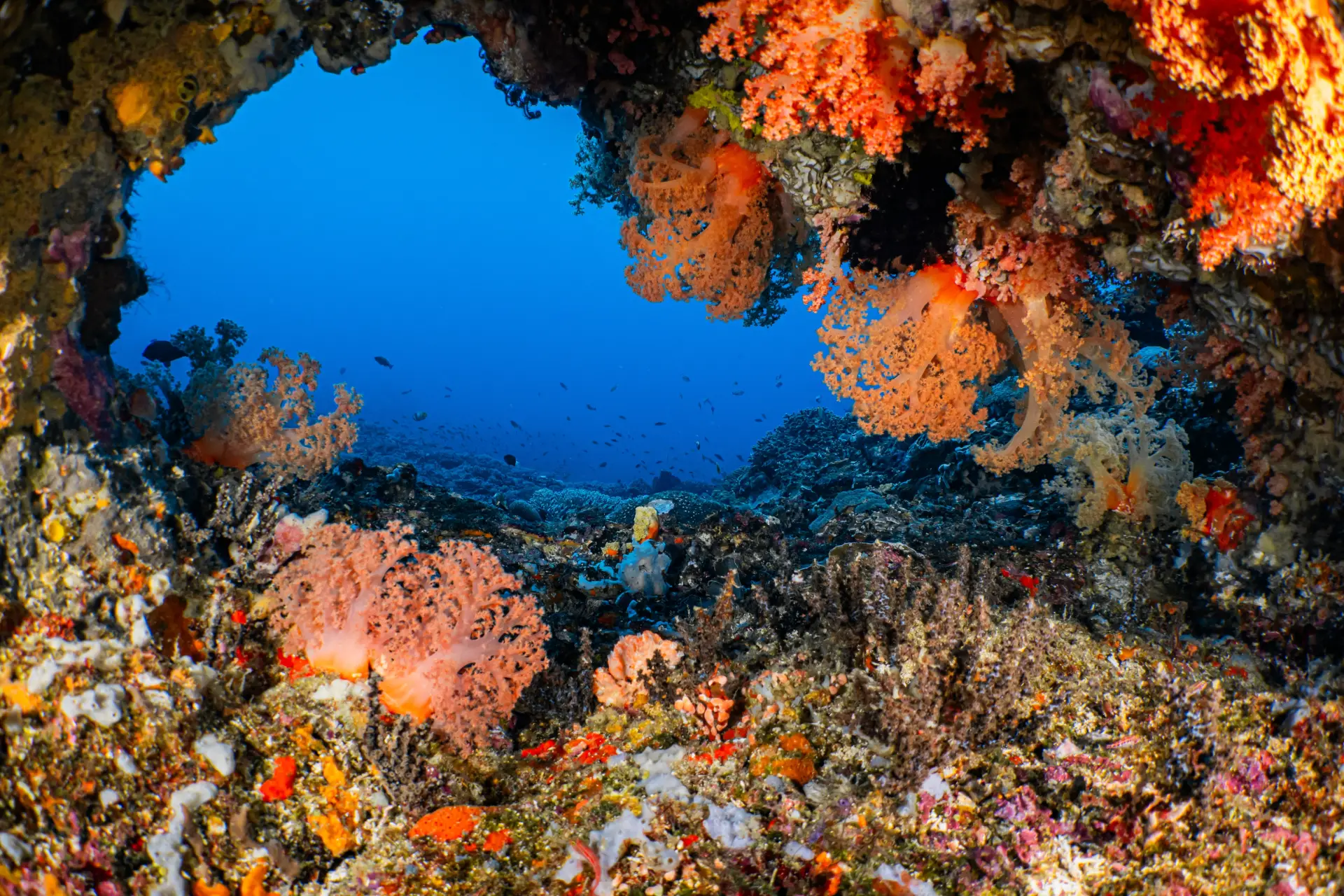
What we’ve seen on our own reefs backs that up. So far they’ve shown a lot of resilience and remain vibrant. There’s been some isolated bleaching, but nothing major. The bigger event in recent memory was a major typhoon back in 2021, which knocked around the shallower sections of the local reefs. Even then, the deeper reef came through in great shape and still looks excellent today.
What It Means for Your Dives
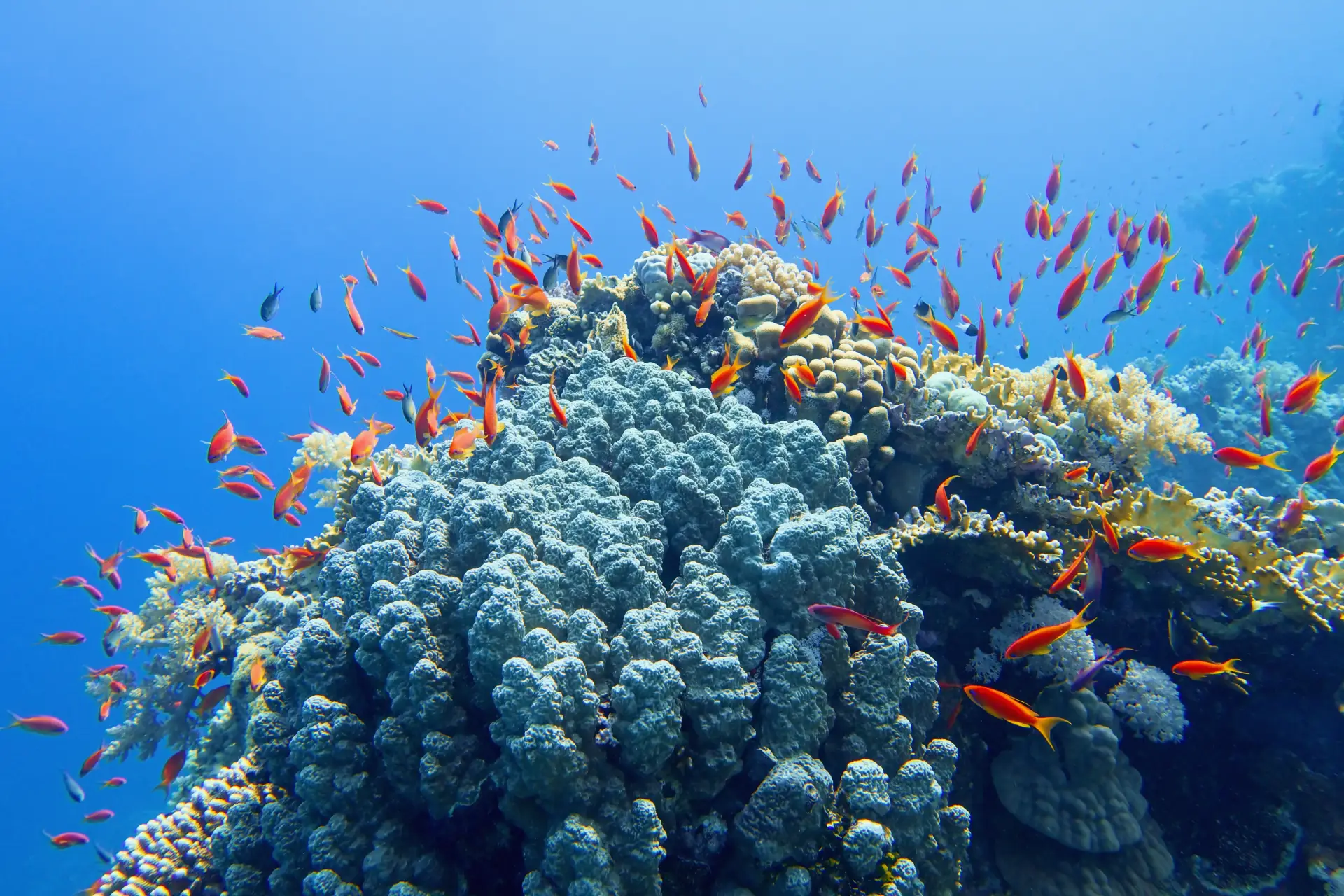
Here’s the reassuring part. Bohol’s reefs remain vibrant, diverse, and very much alive, and the diving is as good as ever. On most days you’ll drift over healthy hard and soft coral packed with life, from turtles and schooling jacks to the tiny critters that make Panglao famous.
On some dives, particularly after a hot spell, you might spot patches of pale or bleached coral. It’s worth knowing what you’re seeing. A bleached reef isn’t a lost one, and watching it firsthand is often the thing that turns a casual diver into a lifelong reef advocate.
The health of a reef is something you feel on a dive, and it’s the best possible reason to care about a couple of degrees of ocean warming.
What You Can Do as a Diver
The root cause of bleaching is a warming climate, which can feel far beyond any one diver’s control. But how you dive still matters, and the small things add up fast.
Diving With a Purpose
As a PADI Eco Center, protecting Bohol’s reefs isn’t a side project for us. It’s the whole point. Every diver we take out is one more person who falls a little in love with the ocean and wants to help look after it.
Come Dive Bohol With Us