Travel Guide
Staying Connected in Bohol: SIM Cards, WiFi, and Data for Divers
You’ve just landed, you’re buzzing to get in the water, and your phone has one job left before you switch into holiday mode: to actually work. Whether you need to post that first turtle photo, check the boat schedule, or just tell everyone back home you made it, a little planning on the connectivity front saves a lot of faffing later.
Here’s the no-nonsense guide to getting online in Bohol, from SIM cards to WiFi, so you can sort it once and get on with the diving.
First, the Rule That Catches People Out
Every SIM card in the Philippines must be registered before it works. It’s the law now, and there’s no getting around it. As a tourist you’ll need your passport and a proof of stay, like your hotel or resort booking. Registration is free, takes a few minutes, and the shop staff will usually walk you through it right there. One catch worth knowing: a tourist SIM is generally valid for about 30 days, which covers most dive trips comfortably.
The good news is that if you buy at an official counter, they handle the whole process on the spot. Buy a random SIM from a sari-sari store and you’ll have to register it yourself, which is more hassle than it’s worth on your first day.
Which Network Should You Choose?
There are three main carriers, and for a Bohol dive trip the choice is fairly clear.
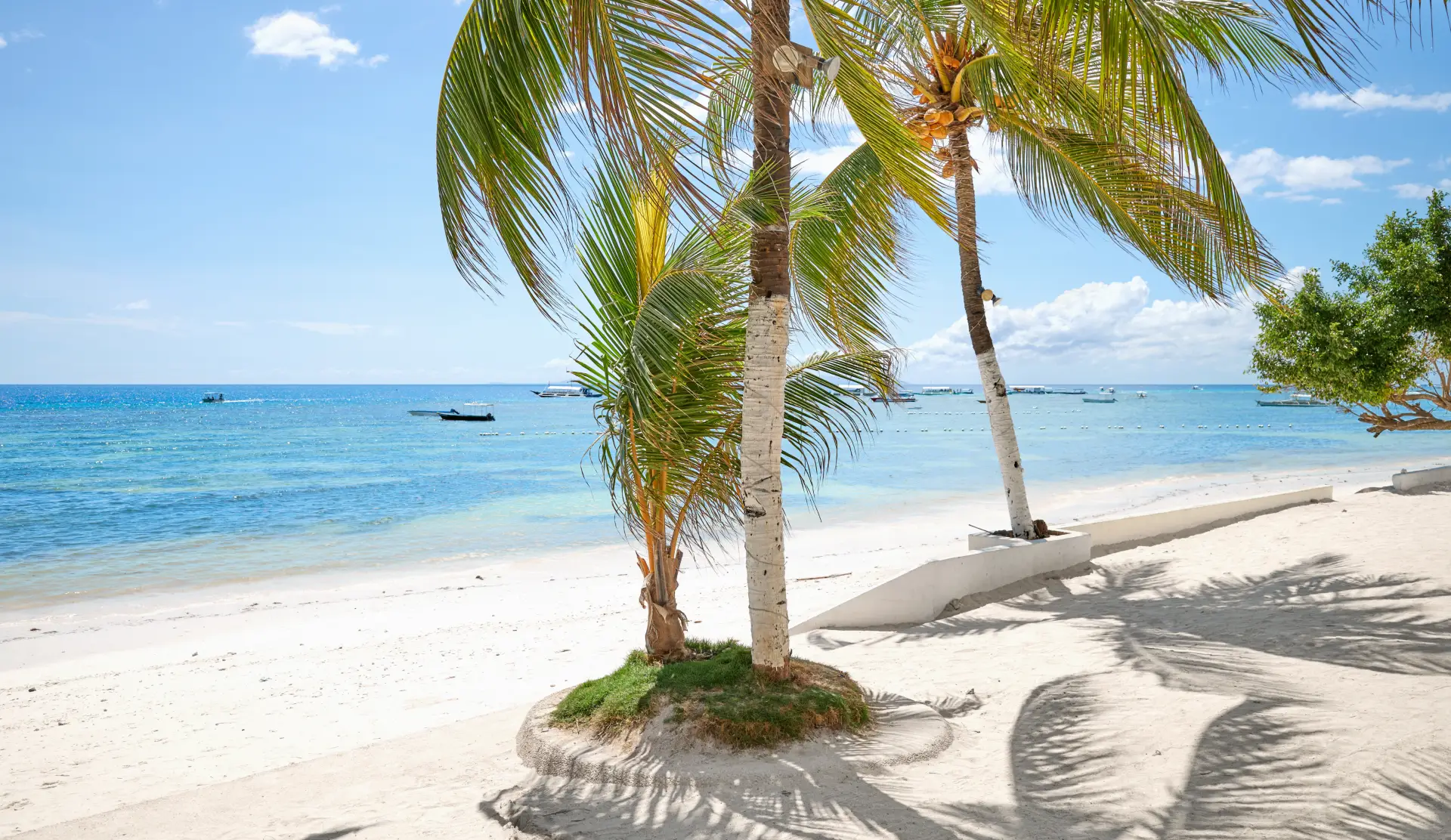
Signal around Alona Beach and Panglao’s tourist strip is generally solid on Globe or Smart. Head to a remote dive site or into the Bohol countryside and it’ll get patchier, as you’d expect anywhere.
Physical SIM or eSIM?
The local eSIM route. Globe, Smart, and DITO all support eSIM now, using the same passport-and-registration process. If your phone takes an eSIM, you can often get set up before you even arrive, then just activate on landing.
The travel eSIM route. Apps like Airalo or Holafly sell data-only eSIMs that skip local registration entirely. They’re dead simple and great for pure data, but you won’t get a Philippine phone number, which some bookings and apps ask for.
For most divers, a local SIM or eSIM is the better value and gives you a proper local number. A travel eSIM wins if you just want fuss-free data for a short stay and don’t mind paying a bit more per gig.
Where to Buy, and What to Expect to Pay
The easiest option is a Globe or Smart counter right at the airport when you land, whether that’s Cebu or direct into Bohol. They register it for you and you walk out connected. It costs a little more than buying in town, but on arrival day that convenience is worth it.
In town, official Globe and Smart stores, plus 7-Eleven and mall kiosks, sell SIMs and data promos, often a touch cheaper. Data is refreshingly affordable by Western standards. A few hundred pesos gets you several gigabytes valid for a week or two, and the carriers run endless tiered promos you load through their app. Prices and promos shift constantly, so check the current deals in-store or in the app rather than locking yourself to a number.
What About WiFi?
Most resorts, restaurants, and cafes around Alona Beach offer free WiFi, and it’s perfectly good for messaging, browsing, and firing off a few photos. Speeds vary from place to place, and it can slow to a crawl when a bar is full of travelers all uploading their day at once.
That’s exactly why a local SIM is a smart backup. Relying on WiFi alone works, but having your own data means you’re never stuck when the cafe connection drops or you need to check something on the move.
A Word on Switching Off
Here’s the flip side. You’re on a tropical island to dive, and some of the best moments in Bohol happen when your phone is locked in a dry bag on the boat.
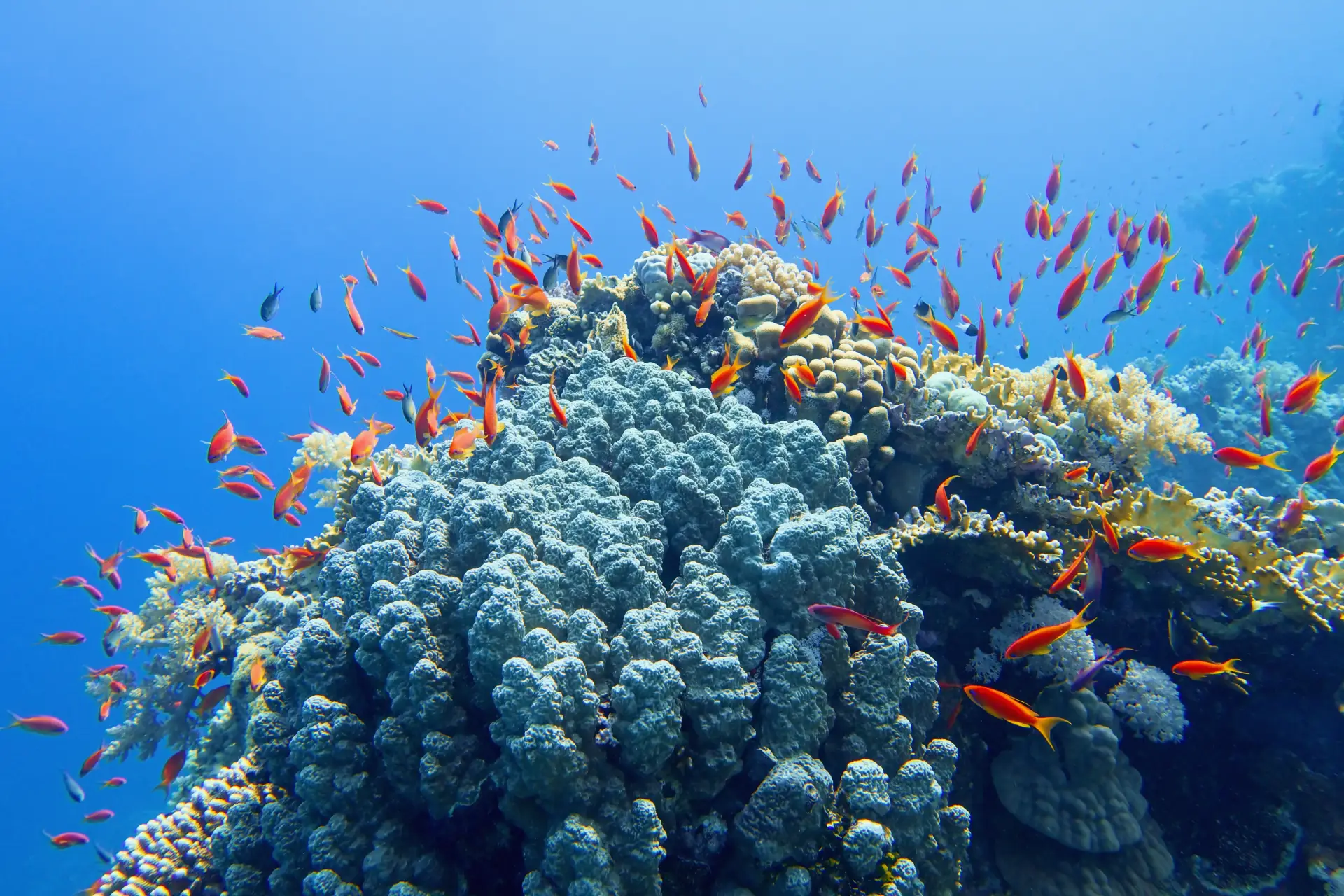
Get connected enough to stay in touch and handle the practical stuff, then feel free to leave it behind. The reef doesn’t have notifications, and that’s rather the point.
Sort your SIM on day one, and you’ll spend the rest of the trip thinking about turtles, not tariffs.
Ready to Plan Your Bohol Dive Trip?
Connectivity sorted, bags packed, all that’s left is the diving. Get in touch and we’ll help you plan the trip, from your first dive to your last sunset on Alona Beach.
Plan Your Trip With Us