Why Are Bohol’s Reefs So Healthy? The MPA System Explained
If you have been reading global headlines about the ocean over the last few years, the news can often feel bleak. Between rising sea temperatures, coral bleaching events, and industrial overfishing, many of the world’s most famous diving destinations are struggling to maintain their vibrancy.
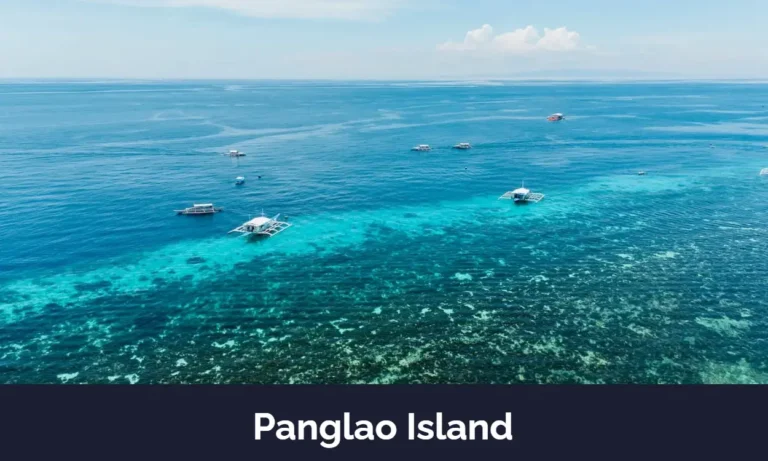
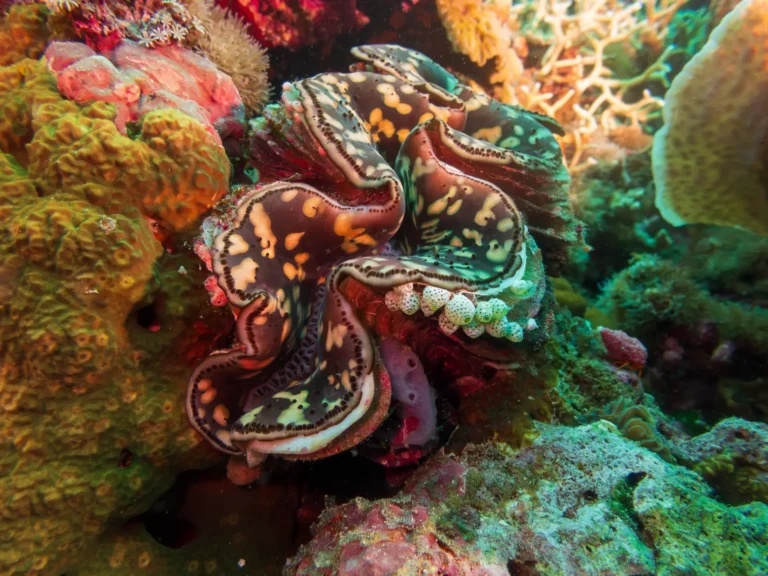
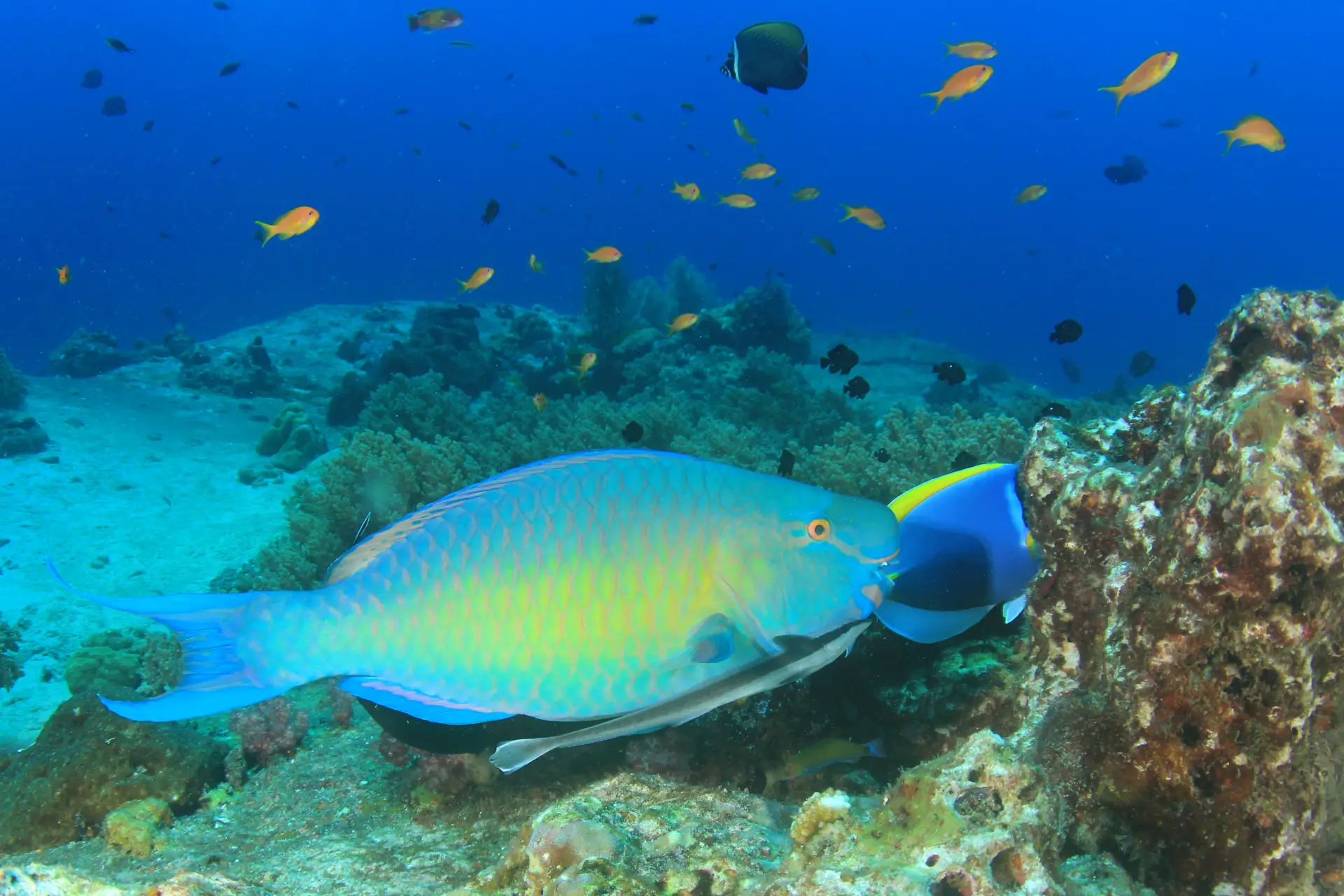
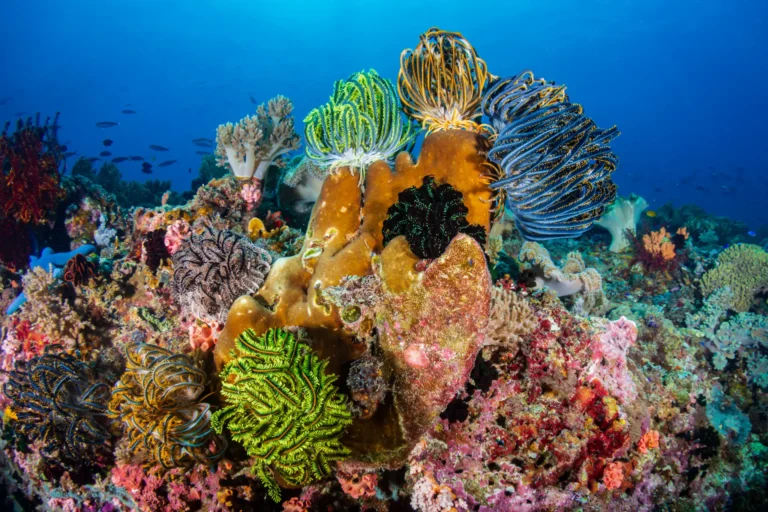
Yet, when divers roll backward off our bangka boats and descend onto the reefs of Panglao and Balicasag, they are almost always met with an explosion of color. The hard corals are sprawling and intact. The sea turtles are abundant. The macro life is thriving.
We frequently get asked: Why does Bohol look so good? Are you just lucky?
While our geographical location in the nutrient-rich Coral Triangle certainly helps, luck has very little to do with it. The secret to the enduring health of the Bohol Sea is a highly organized, community-driven conservation strategy known as the MPA System.
Here is a look behind the curtain at what an MPA is, how the system works in the Philippines, and why that small “sanctuary fee” you pay on your dive bill is the best investment you can make for the ocean.
What Exactly is an MPA?
MPA stands for Marine Protected Area.
In its simplest form, an MPA is a clearly defined section of the ocean where human activity is strictly regulated to conserve the natural environment. In Bohol, these usually take the form of “No-Take Zones.”
Inside these designated zones, commercial and local fishing is completely banned. You cannot drop a net, you cannot use a speargun, and you cannot harvest shells or corals. For scuba divers and snorkelers, it means a strict “look but don’t touch” policy.
The Philippines is actually a global pioneer in community-based coastal resource management. Rather than the national government dictating the rules from afar, these MPAs are largely established, managed, and enforced by the local municipalities and barangays (villages) that rely on the reefs for their survival.
The Mechanics: Where Does Your Sanctuary Fee Go?
When you dive with us at Sierra Madre Divers, you will notice a small environmental or sanctuary fee added to your bill for certain dive sites (typically ranging from 100 to 300 PHP per day).
This is not a hidden tax or an agency markup. 100% of these funds go directly to the local municipality to keep the MPA system running. Here is what your money actually pays for:
- The Bantay Dagat (Sea Patrol): These are the local coastal wardens. Your fees pay the salaries of the men and women who patrol the MPAs 24/7 in small boats to prevent illegal poaching and enforce the fishing bans.
- Mooring Buoys: Dropping a heavy metal anchor onto a reef can destroy decades of coral growth in seconds. The MPA funds are used to install and maintain permanent mooring lines so dive boats can tie off safely without ever touching the bottom.
- Reef Monitoring and Research: The funds help local marine biologists conduct regular surveys to track coral health, fish populations, and water quality.
The Science of Success: The “Spillover Effect”
You might wonder how local fishermen feel about having their fishing grounds restricted. Initially, establishing an MPA can be a hard sell. But the science quickly proves its worth through something called the Spillover Effect.
Think of an MPA like a bank account that generates massive interest. When you stop fishing in a specific area, the fish inside that zone live longer. Older, larger fish produce exponentially more eggs than younger, smaller fish. For example, a single massive snapper inside a protected zone can produce millions more larvae than a small snapper in an unprotected zone.
Eventually, the MPA becomes overcrowded. The fish populations literally “spill over” the invisible borders of the sanctuary into the surrounding, unprotected waters.
The result? Local fishermen actually catch more fish, and larger fish, just outside the borders of the MPA than they did before the sanctuary was established. It is a brilliant system where conservation directly benefits the local economy.
Balicasag Island: The Crown Jewel of the System
If you want to see the MPA system working at its absolute peak, look no further than Balicasag Island.
The waters surrounding this island are heavily protected. The local government enforces a strict daily limit on the number of divers allowed to visit (which is why we always tell you to book your Balicasag trips early!).
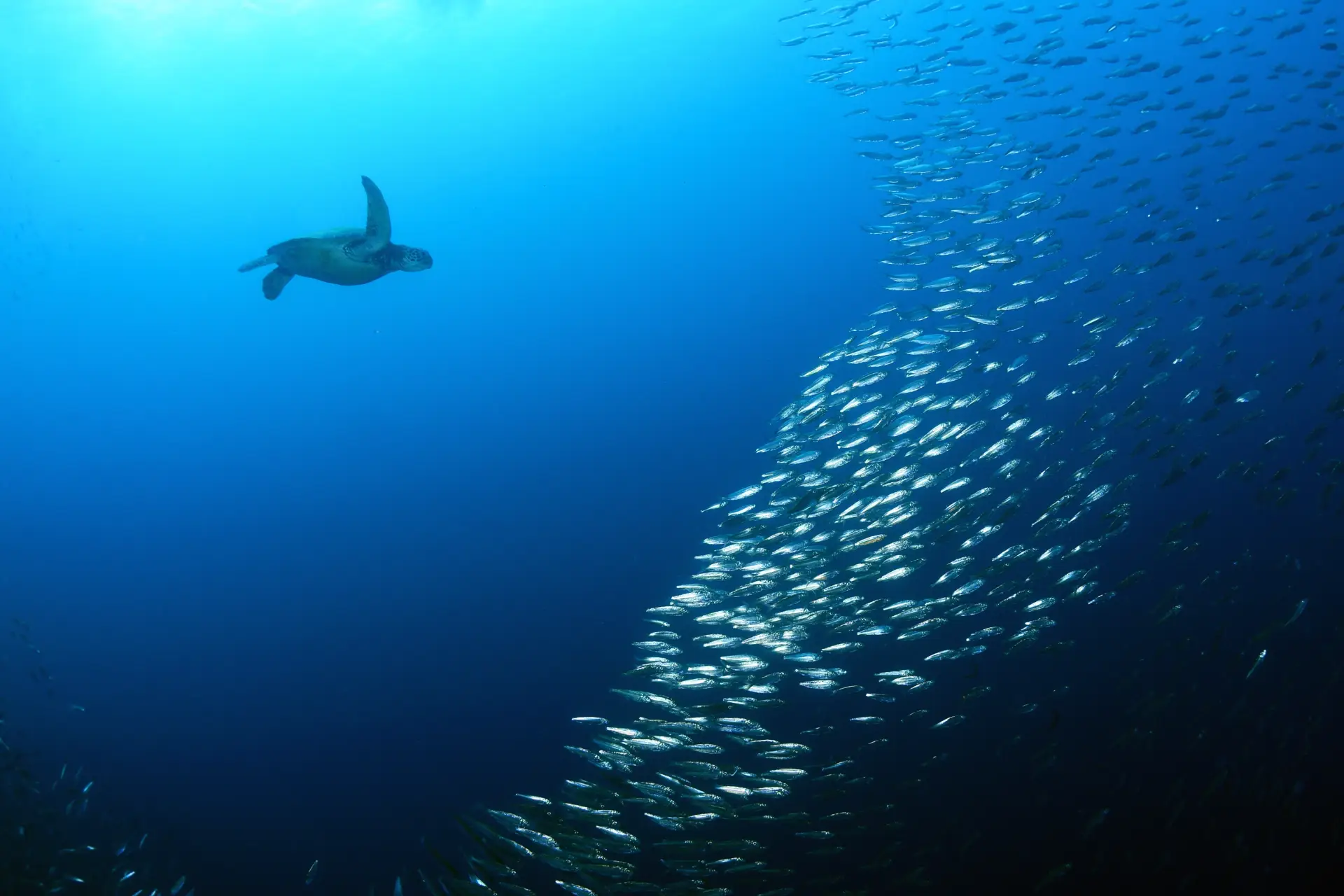
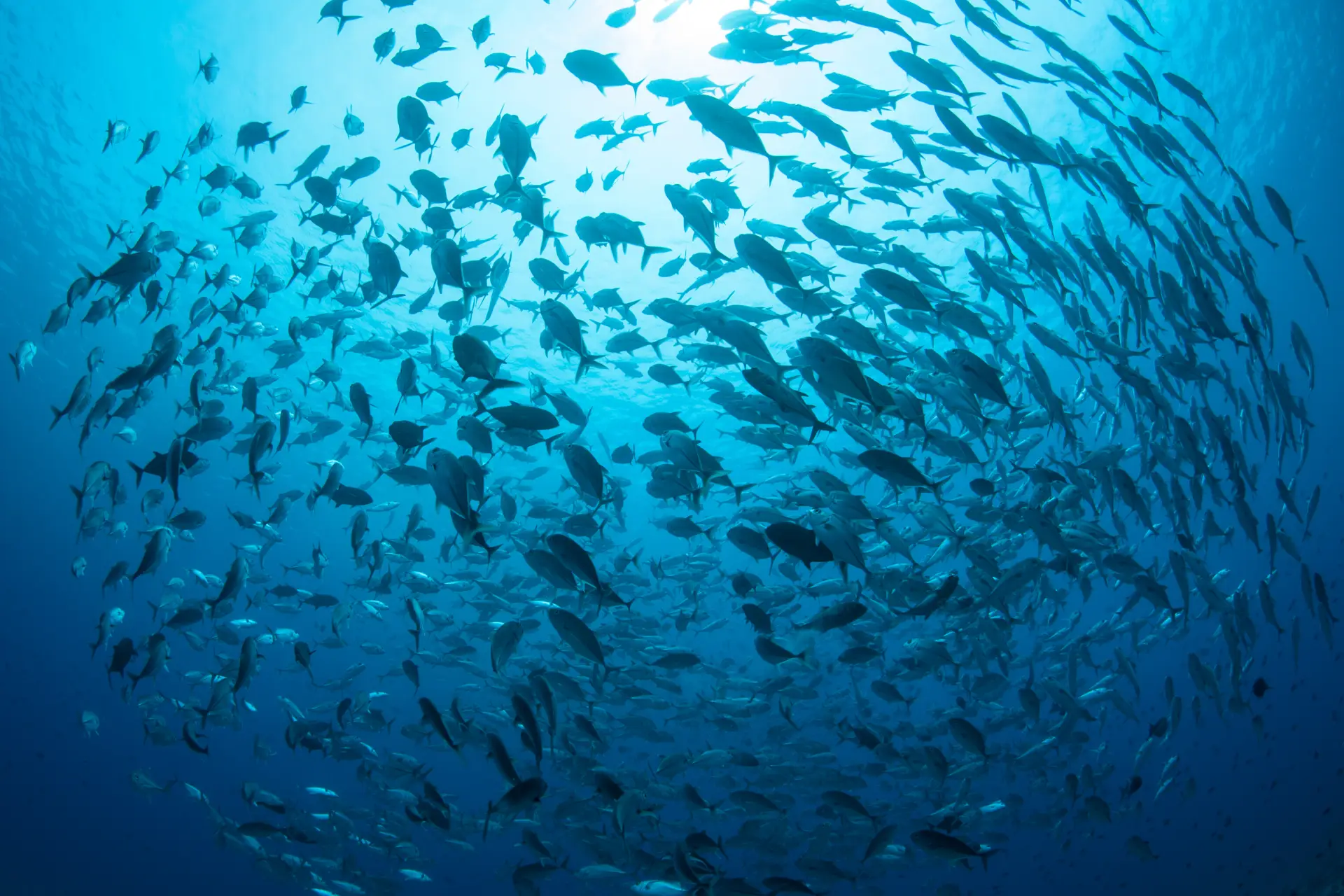
Because of this strict management, the resident Green and Hawksbill sea turtles have realized they are completely safe. They do not flee from divers. The jackfish school in the thousands because they aren’t being netted. The corals are immaculate because boats aren’t dropping anchors. It is a thriving, balanced ecosystem that exists entirely because the community chose to protect it.
Dive Responsibly, Dive with Purpose
At Sierra Madre Divers, we are fiercely protective of our local reefs. We consider it an absolute privilege to operate in these waters, and we fully support the MPA initiatives of the Panglao and Bohol municipalities.
When you dive with us, you are actively participating in this conservation success story. Your sanctuary fees fund the patrols, your excellent buoyancy control protects the corals, and your presence proves to the local economy that a living reef is worth infinitely more than a dead one.
Come see what a healthy, protected ocean actually looks like. Contact us today to book your Bohol dive adventure and experience the magic of the Philippine MPA system firsthand!