Look, Don’t Touch: Bohol’s Beautiful Animals You Should Never Handle
The prettiest animal on the reef is usually the one you least want to touch.
That’s the funny thing about diving here. The colours that make you reach for your camera, the flashing blues, the candy-striped shells, the neon spines, are often nature’s way of saying back off. Underwater, beauty and danger keep close company.
Here’s the reassuring part: none of these animals is out to get you. Almost every bad encounter comes down to one thing, a human hand where it doesn’t belong. Keep your fingers to yourself and your buoyancy honest, and Bohol’s reefs are about as gentle as the ocean gets.
So admire away. Just do it from a respectful distance. These are the locals worth keeping your hands off.
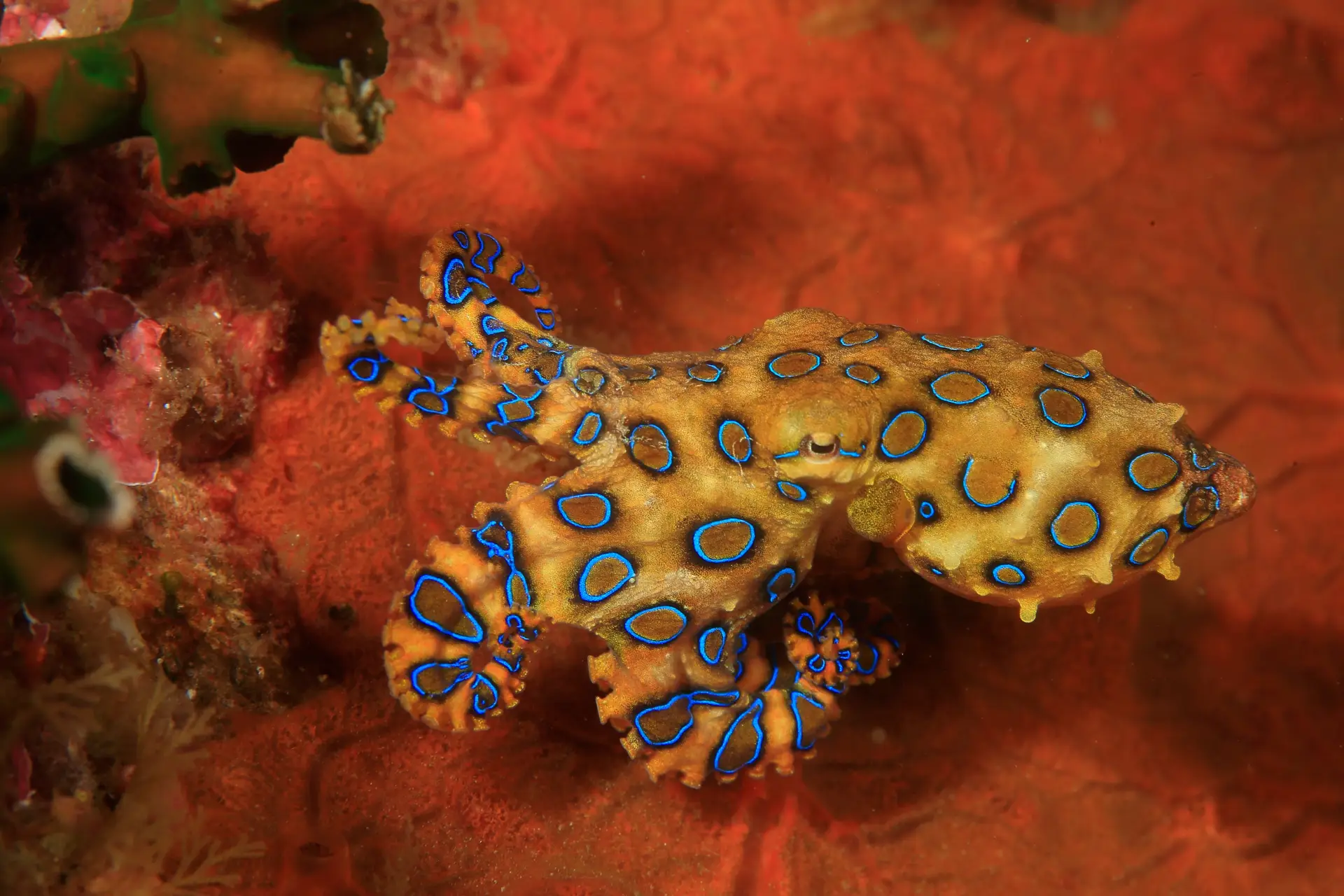
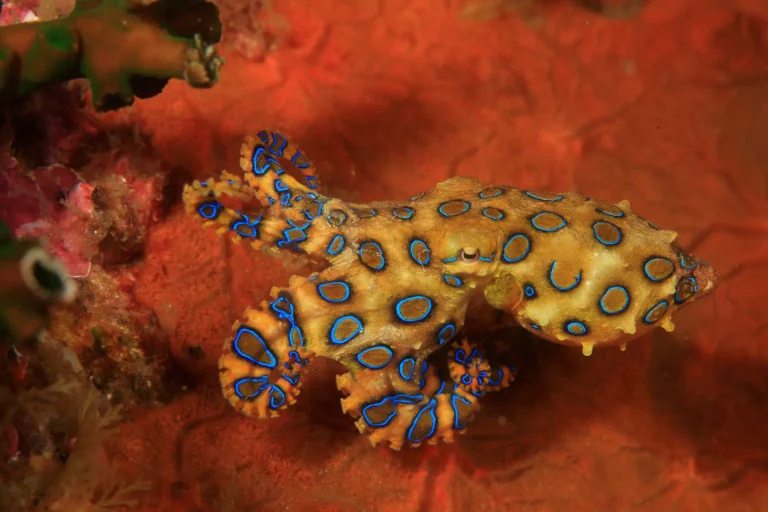
The blue-ringed octopus
Small enough to sit in your palm, and easily one of the most dangerous animals in the sea.
Most of the time a blue-ringed octopus is drab and forgettable, tucked into rubble or a discarded shell on our muck and sand sites. It’s only when it feels threatened that those electric blue rings pulse to life. That flashing display isn’t an invitation. It’s a warning.
Its bite is often painless, which is exactly what makes it so serious. The venom contains tetrodotoxin, the same toxin found in pufferfish, and there’s no antivenom. Treatment is supportive care until the body clears it. The takeaway is simple: never handle a small octopus you can’t identify, and never coax one onto your hand for a photo. A good camera zoom exists for a reason.
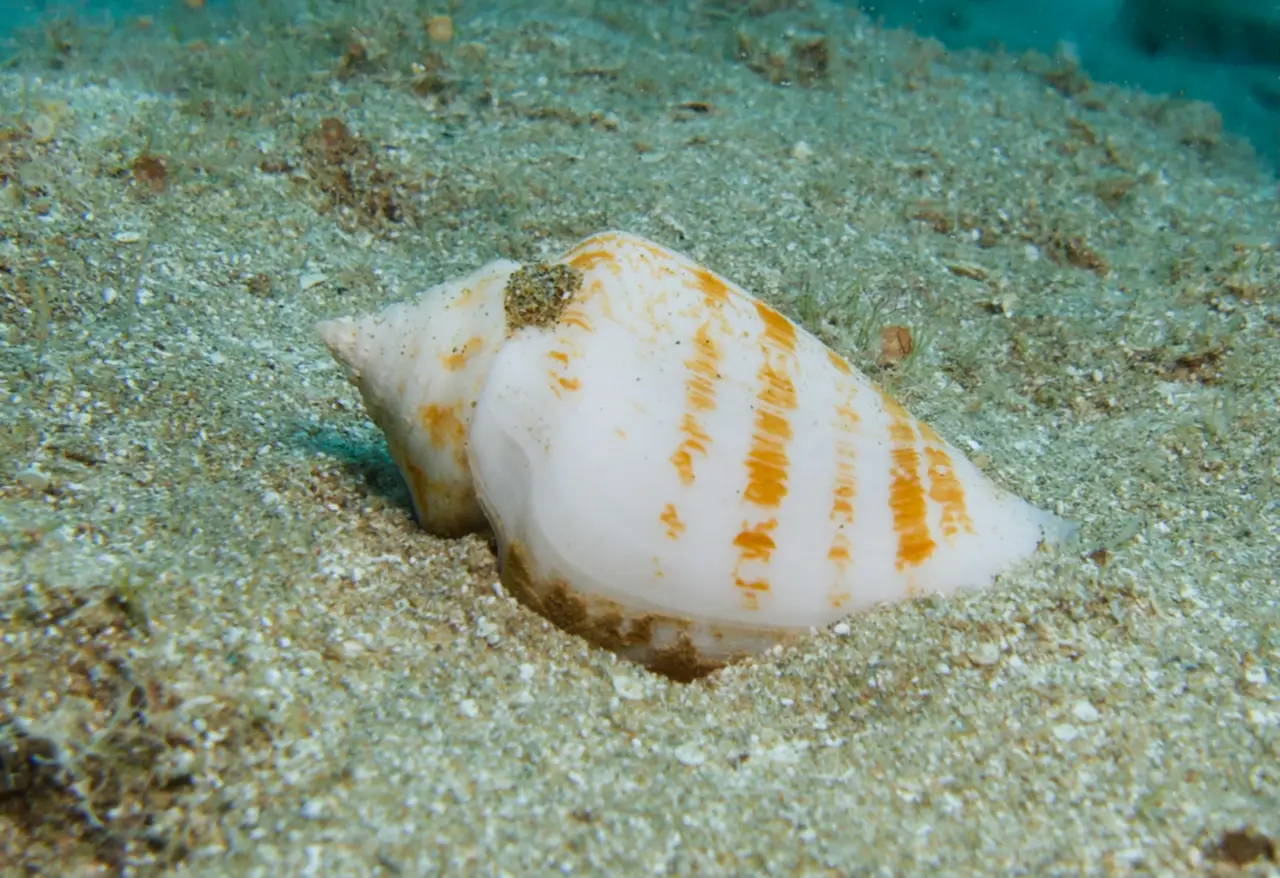
Cone snails
Some of the deadliest hunters on the reef come disguised as souvenirs.
Cone snails wear gorgeous patterned shells, and that’s the trap. People pick them up thinking they’ve found the perfect keepsake, not realising there’s a living, venomous predator inside. Cones hunt by firing a tiny harpoon loaded with venom, and the larger species like the geography and textile cones can deliver a dose that’s genuinely dangerous to humans. Again, no antivenom.
The rule writes itself. Don’t pocket shells, and definitely don’t pick up a live one. If it’s on the reef, leave it on the reef.
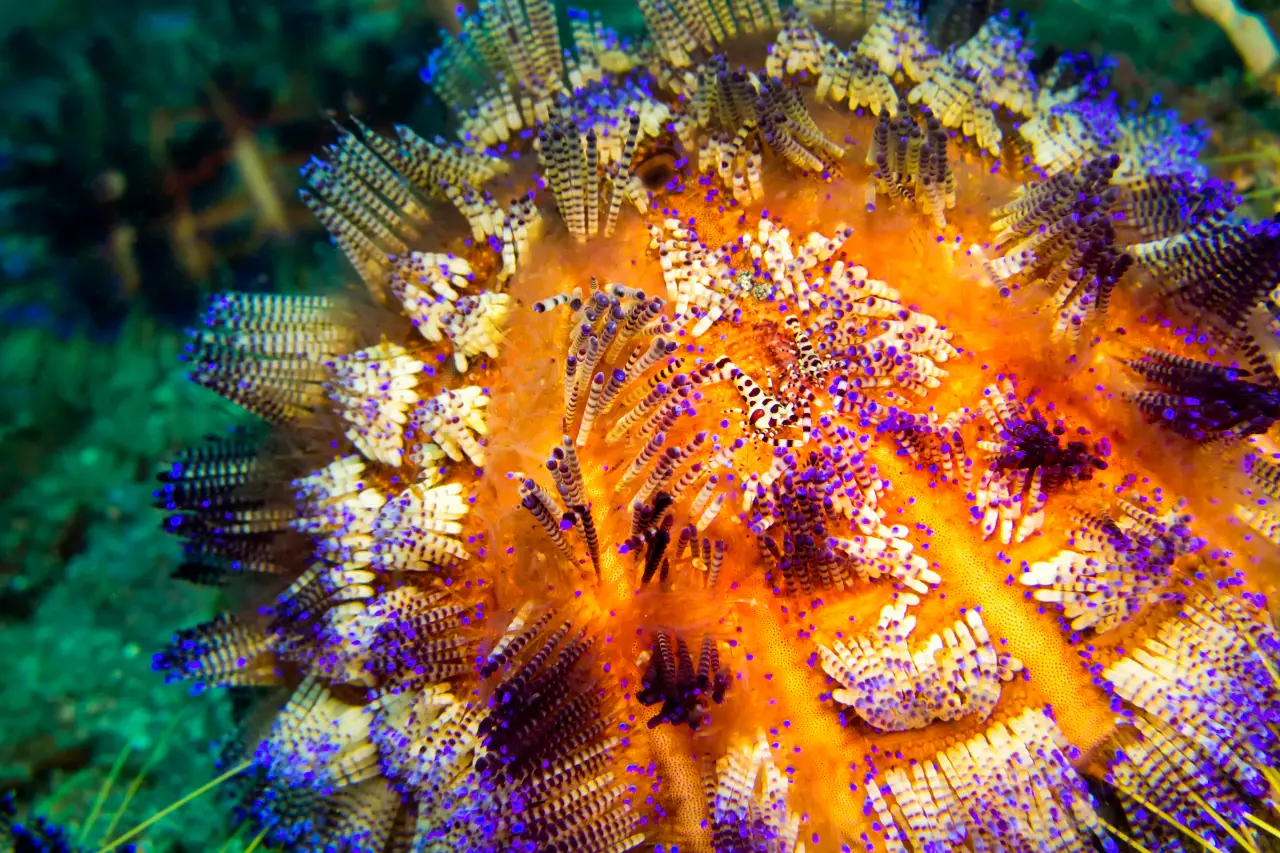
Fire urchins
You’ll want to photograph this one, and you absolutely should. Just keep your hands well clear.
Fire urchins are stunning, all bruised reds and glowing yellow tips, and their spines carry a venom that delivers a sharp, burning sting. The real magic, though, is what lives on them. Look closely and you’ll often spot a Coleman shrimp or a tiny zebra crab riding along, hitchhikers that shelter among those dangerous spines. Frame up the passengers, not the urchin, and you’ve got a world-class macro shot without the drama.
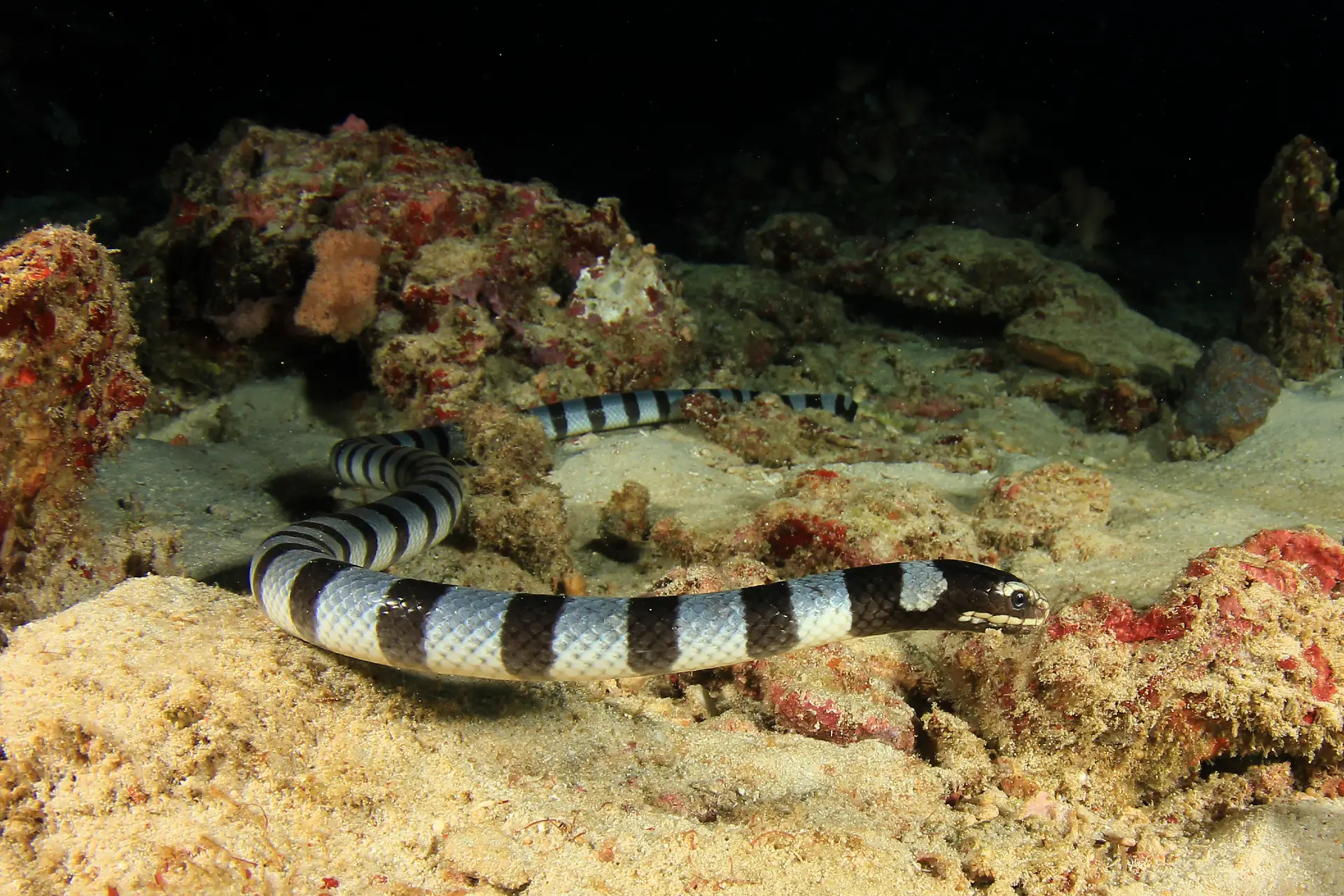
Sea snakes
Beautiful, curious, and carrying venom more potent than most land snakes. And yet, one of the most misunderstood animals down here.
Bohol’s banded sea kraits are famously mellow. They’ll often swim right up to you, mid-hunt, poking into cracks for prey and paying you almost no attention. Their venom is serious, but their mouths are small and they’re extremely reluctant to bite anything that isn’t food. Trouble only starts if someone grabs one. So don’t. Watch it glide by, enjoy the moment, and let it work.
If sea snakes fascinate you, Cervera Shoal is our not-so-secret spot for reliable encounters, and we’ve written more about these misunderstood reptiles here.
The ones hiding in plain sight
Not every hazard announces itself with bright colours. Some do the opposite.
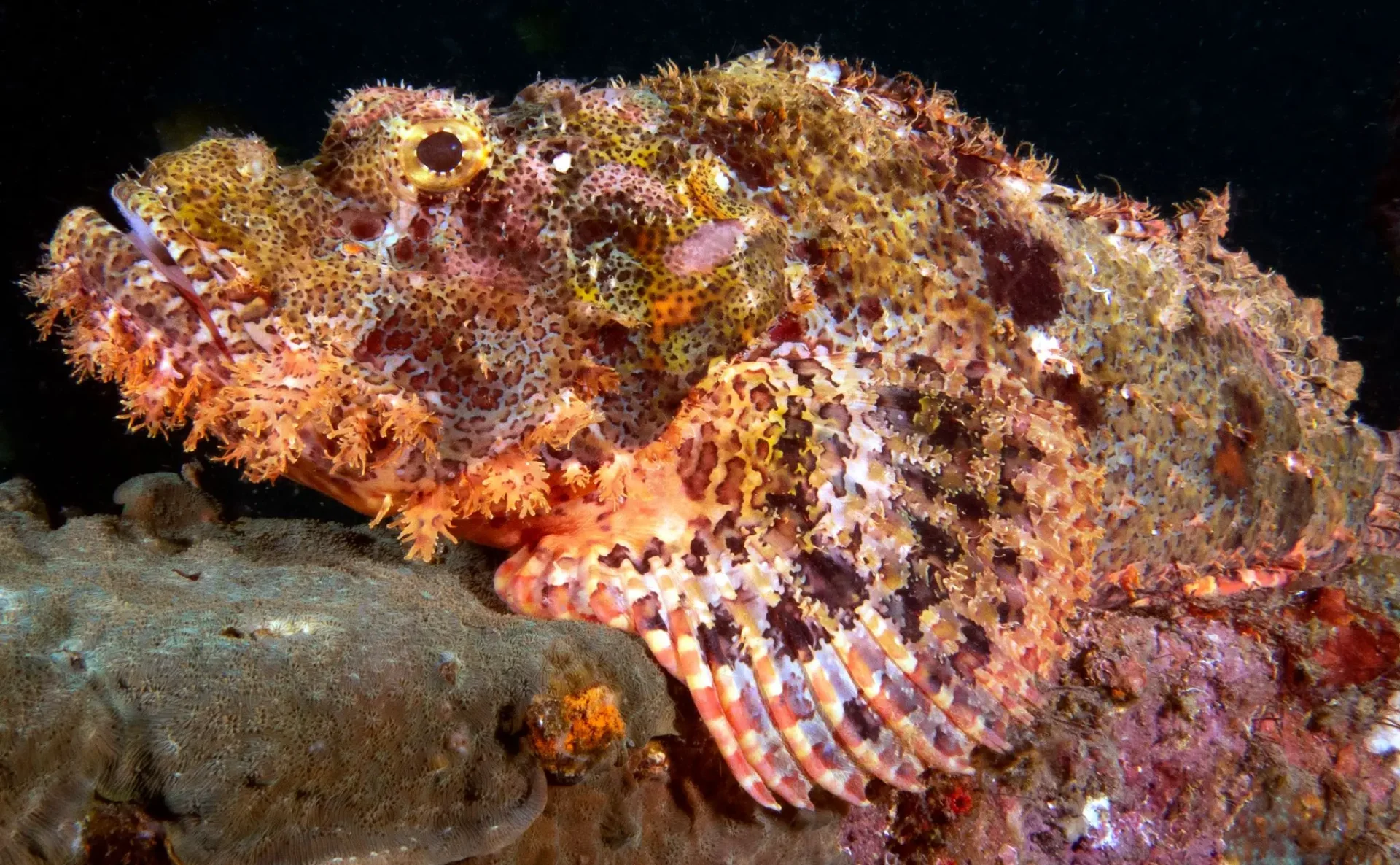
Scorpionfish, lionfish, and stonefish all carry venomous spines, and the first two are masters of camouflage. The danger isn’t that they attack. It’s that you don’t see them, and plant a hand, knee, or fin where one is resting. That’s the real case for solid buoyancy and never steadying yourself on the reef. You protect the coral and yourself in the same movement.
Crown-of-thorns starfish belong here too. Those spines carry venom, and while divers do sometimes remove them to protect coral, that’s a trained job with tools, not a bare-handed grab on a fun dive.
The one that touches you
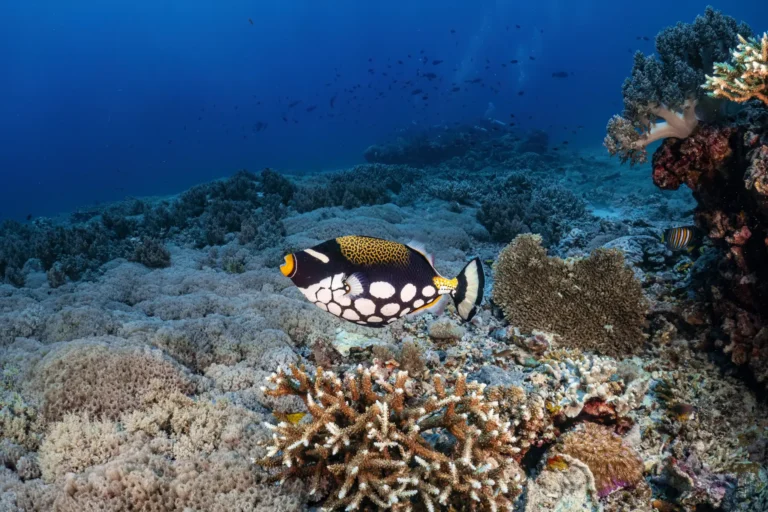
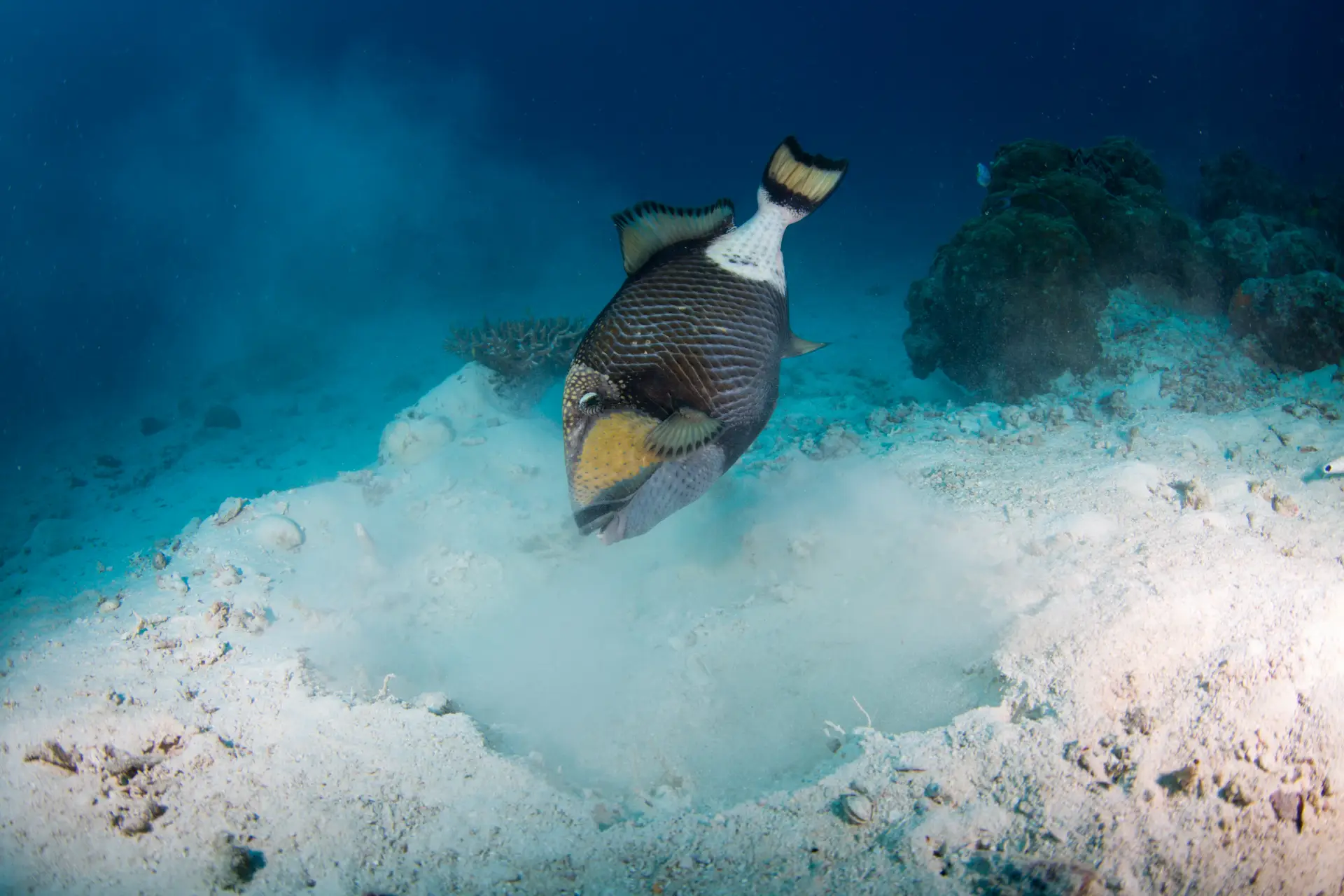
Every so often the tables turn. Meet the titan triggerfish.
It isn’t venomous, but during nesting season it turns fiercely territorial and will chase a diver who drifts over its patch. Those beak-like teeth crack coral and shells, so a nip is no joke. Its territory is shaped like an upside-down cone above the nest, which means swimming up keeps you in the danger zone. Swim low and away instead. The peacock mantis shrimp earns the same courtesy: admire the punch, keep the fingers back.
Why “look, don’t touch” is the whole game
Here’s what ties all of this together. Nearly every safe way to enjoy these animals is also the environmentally right way to dive.
Hands off means no stings, and it also means no broken coral, no stressed animals, no oils from your skin on delicate polyps. As a PADI Eco Center, that’s the ethic we build into every briefing. Good divers move calmly, hover instead of grabbing, and leave the reef exactly as they found it. It turns out the habits that keep Bohol’s reefs healthy are the same ones that keep you out of the recompression chamber.
If the worst happens and someone is stung or bitten, treat the serious venomous animals, the blue-ringed octopus, cone snails, and sea snakes, as a genuine medical emergency and get help moving immediately. Fish and urchin stings are painful but usually manageable, and they’re exactly the scenarios we prepare you for in dive briefings and rescue-level training.
Dive it the right way
The best way to see Bohol’s showstoppers, from blue rings to sea kraits, is with a guide who knows where they hide and how to enjoy them safely. Come dive with us, and we’ll help you find the good stuff, keep your hands where they belong, and leave the reef better than we found it. Get in touch and let’s plan your dives.