Ask ten fresh Divemasters what their new certification lets them do and you’ll get ten slightly different answers. Some think they can teach the Open Water course. Some think they can barely do anything without an instructor holding their hand. Both are wrong, and the truth sits in a very specific, very useful place in between.
Knowing exactly where your lane is matters. It keeps you legal, keeps your insurance valid, and makes you the kind of pro that dive centres actually want to hire. So let’s lay it out plainly.
The green-light list
Once you’re a certified, active-status PADI Divemaster, a surprising amount opens up.
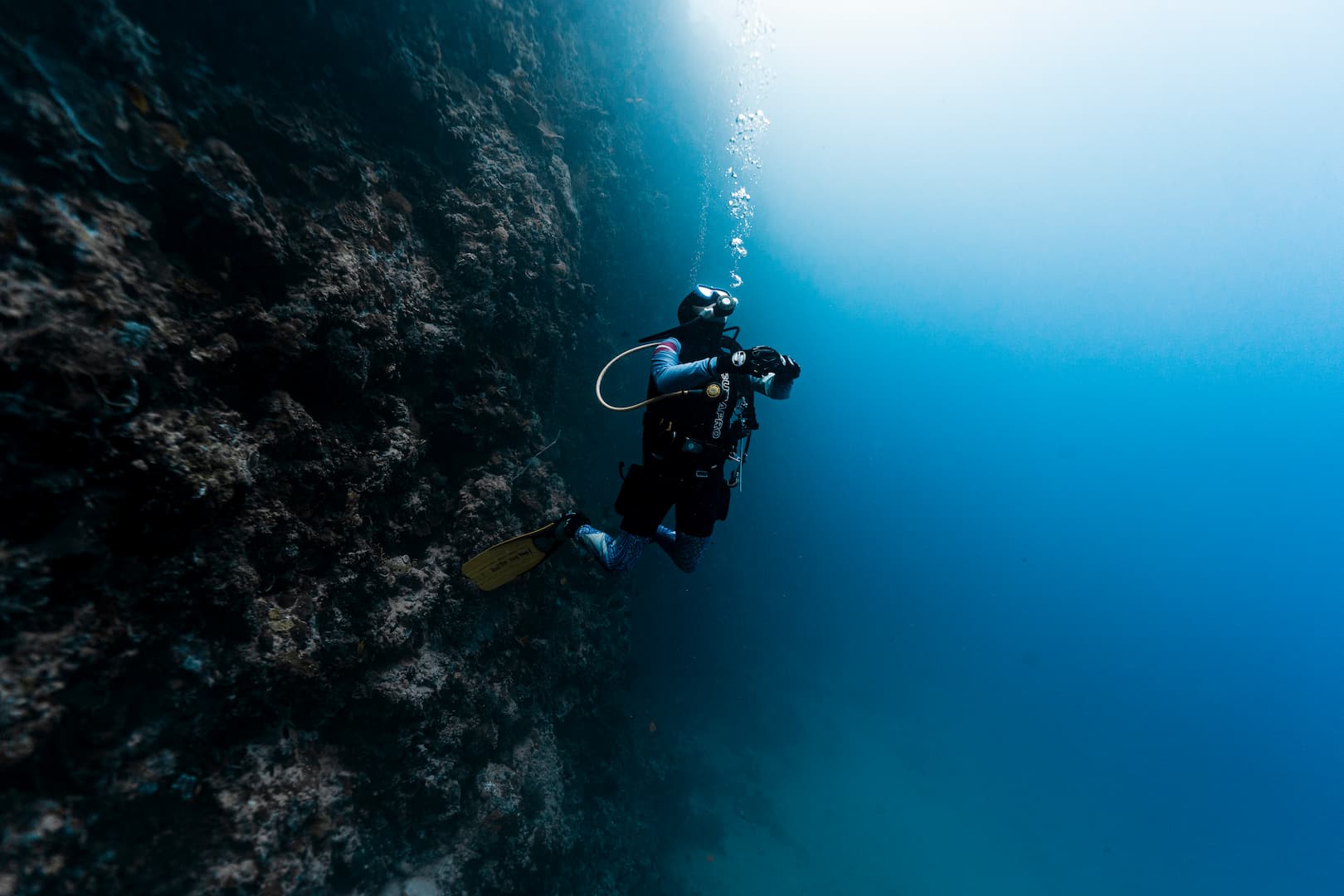
You can supervise diving activities: planning, organising, and directing dives for certified divers. Guiding is the heart of the job, and it’s yours to do independently. Take a group of qualified divers out to Balicasag or Pamilacan, brief them, lead them, and bring them home safely, all on your own ticket.
You can assist an instructor during any PADI course, which is where a lot of your work and your learning happens. You can run refresher programs like Scuba Review and ReActivate for divers who’ve been out of the water a while. You can lead Discover Local Diving for certified divers who are new to the area. And you can teach and certify PADI Skin Divers and conduct the Discover Snorkeling program entirely on your own.
There’s more. You’re allowed to guide Open Water students on the tour portion of their training dives, at a ratio of two students to one Divemaster, freeing the instructor to focus on teaching skills.
And with a bit of extra training layered on top, your scope grows again. Qualify as a Discover Scuba Diving Leader and you can run the try-dive experience independently in confined water, then lead those first-timers on further guided dives once they’ve completed their opening dive with an instructor. Become an Emergency First Response Instructor and you can teach CPR and first aid. The Divemaster rating is a launchpad, not a ceiling.
The hard limits
Now the line you cannot cross.
A Divemaster cannot certify anyone in a scuba diving course. Full stop. You can’t independently teach the Open Water course, run an Advanced course solo, or sign off a student as a certified diver. Those privileges belong to Instructors, and that’s the wall between Divemaster and the next rung of the ladder.
This trips people up because you’ll be involved in courses constantly, assisting, guiding, demonstrating. But there’s a firm difference between helping an instructor teach a course and running that course yourself. One is your job. The other requires the PADI Instructor rating.
Why this matters more than it sounds
This isn’t box-ticking. Working within your scope is what keeps you covered by your professional insurance and standing on the right side of PADI standards. Step outside it and you’re not just risking your certification, you’re risking the safety of the people trusting you, and the reputation of the centre employing you.
It’s also, plainly, what makes you employable. A dive centre manager wants a Divemaster who knows exactly what they can take off an instructor’s plate without being told twice, and who never oversteps. That judgement, knowing your lane cold, is a huge part of what separates a good hire from a liability.
The good news
None of this should feel limiting. The Divemaster scope is genuinely broad, and it’s the foundation everything else is built on. Master it and you’ll find no shortage of real work: guiding, supervising, refreshing, assisting, leading try-dives. It’s a proper job in a proper industry, and it goes with you anywhere in the world.
We build this understanding into every candidate we train, which you can read more about in what makes Divemaster training here unique and the key skills you’ll master along the way.
If you’re ready to earn a rating that actually means something, come talk to us about starting your PADI Divemaster course in Bohol. We’ll teach you not just what you can do, but how to do it like a pro.