Wide-Angle or Macro? Choosing Your Camera Setup for Bohol’s Dive Sites
You’re on the boat, buzzing out toward the dive site, and you’ve got a decision to make. Wide-angle or macro? Once you’re geared up and in the water, there’s no changing your mind. Pick wide-angle and a pygmy seahorse the size of a rice grain will taunt you from a sea fan. Pick macro and a turtle will cruise past close enough to touch.
Every underwater photographer knows this quiet agony. The good news is that in Bohol both answers are brilliant. You just need to match your lens to where you’re diving. Here’s how to choose.
The One Rule That Changes Everything
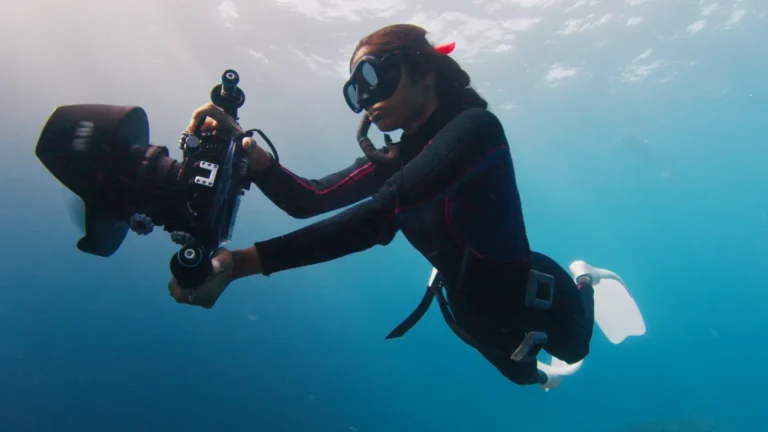
Unlike shooting on land, you can’t swap lenses mid-dive. Whatever setup you seal into your housing on the boat is what you’re shooting for the next hour. So the real skill isn’t only taking the photo, it’s picking the right tool before you ever get wet.
That decision comes down to a simple question: are you shooting something big, or something tiny? Everything else follows from there.
Wide-Angle: For the Big Picture
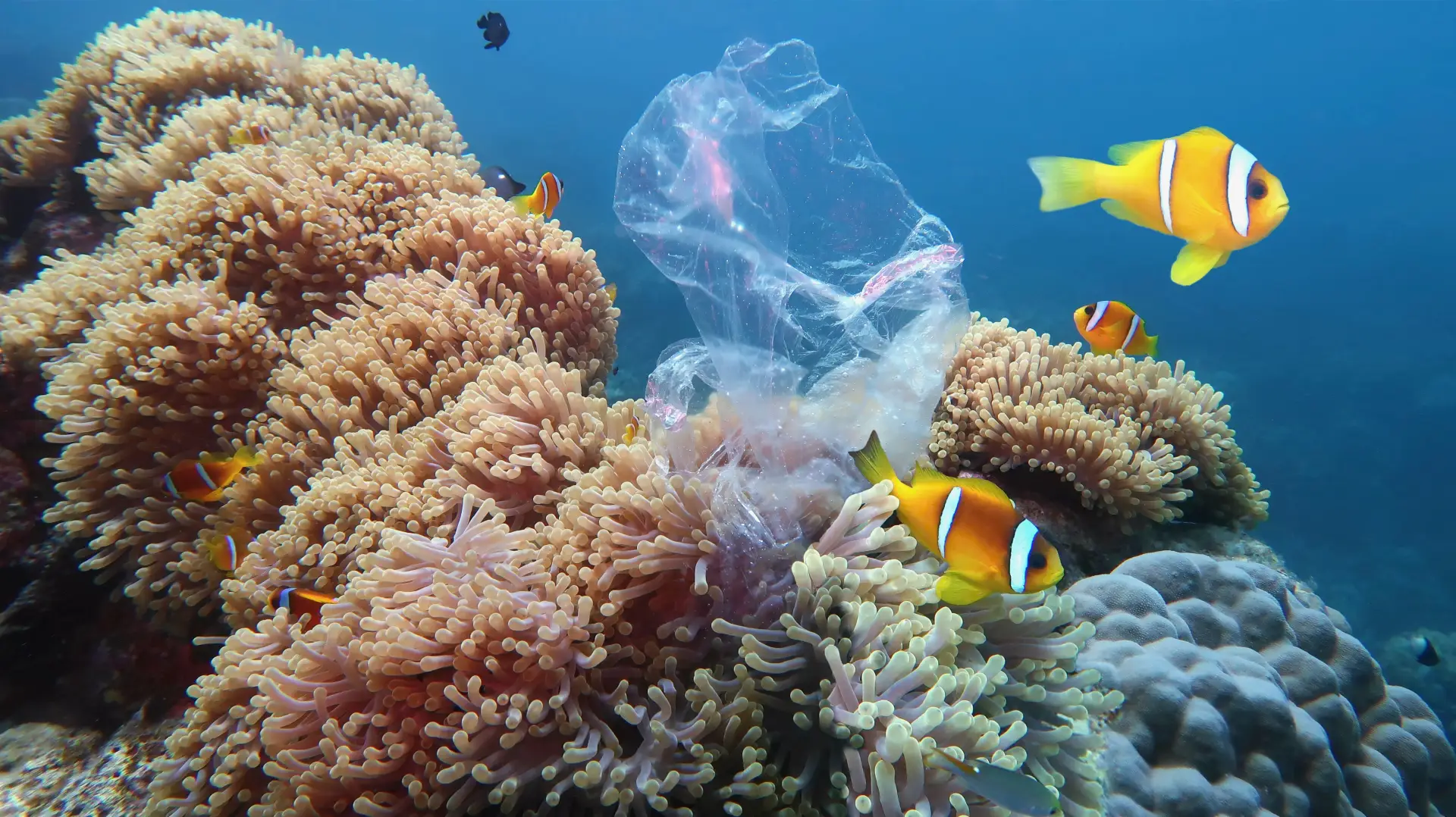
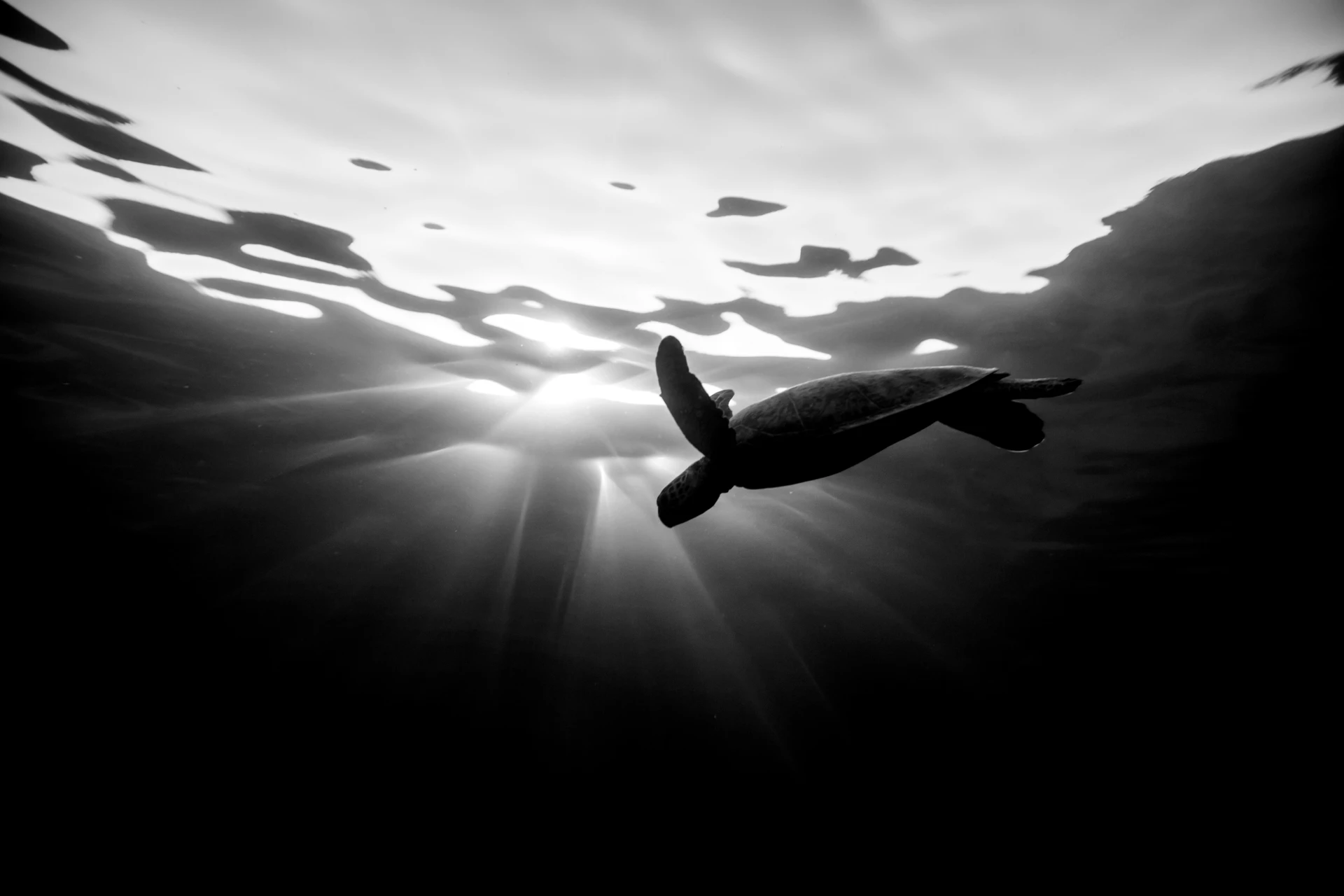
Wide-angle is how you capture scale. Reefscapes, schooling fish, turtles, walls dropping away into the blue, a diver silhouetted against a sunburst. If your subject is bigger than a football, or you want the whole scene in the frame, this is your setup.
The counterintuitive part is that wide-angle means getting close, not hanging back. Water steals color and sharpness fast, so the less of it between your lens and your subject, the better. The best wide-angle shots are usually taken from surprisingly close range, angled slightly upward to catch the light.
It does ask for decent visibility and a big scene with something going on in it.
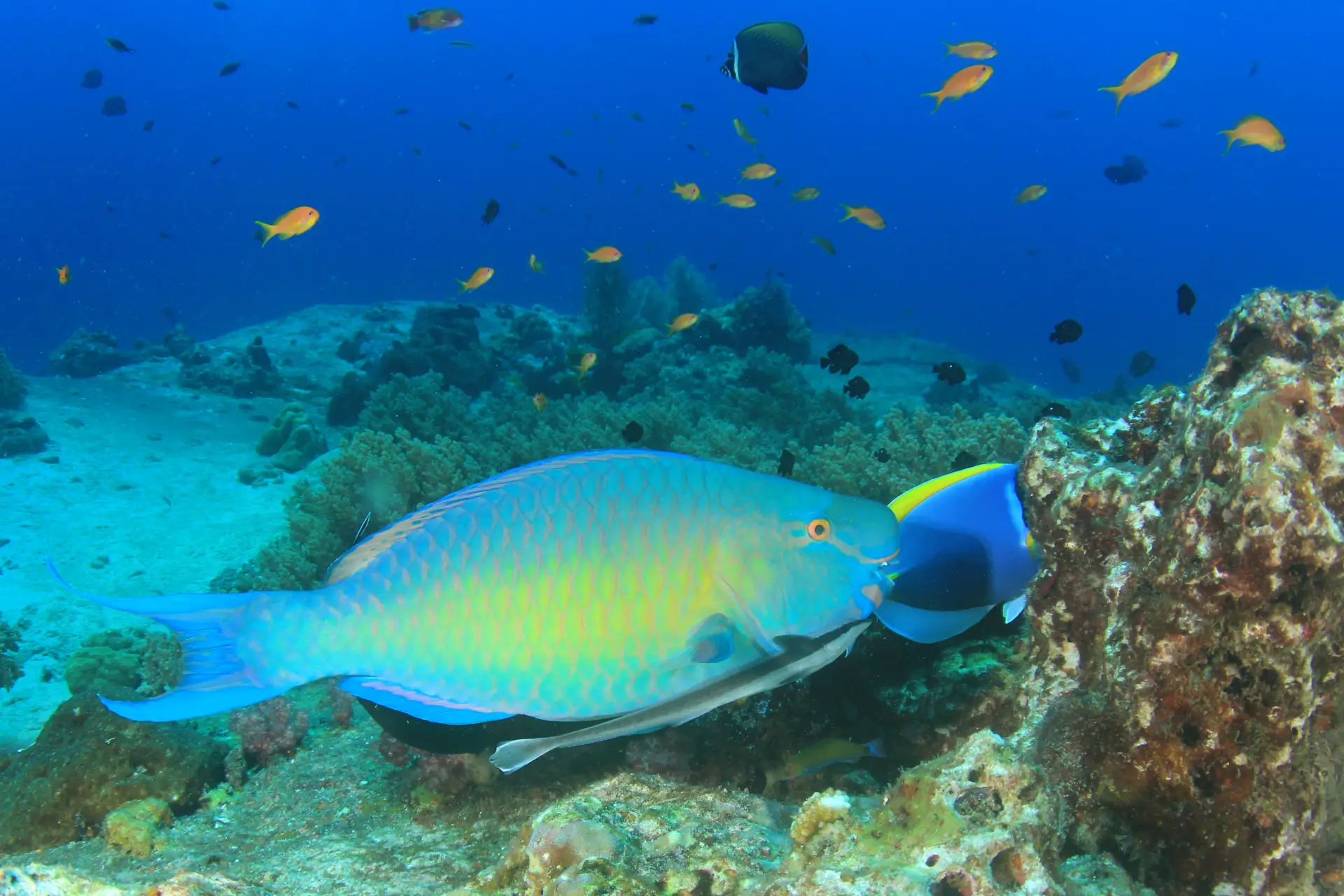
Bohol delivers exactly that. Napaling is the obvious one, where a shimmering wall of hundreds of thousands of sardines swirls along the reef edge. Pure wide-angle gold. Out at Balicasag you’ve got green and hawksbill turtles cruising the shallows and dense schools of jacks and barracuda spiraling over the wall. Pamilacan’s walls and the deeper reefs around Panglao round things out. Anywhere the reef opens up and the big stuff shows up, reach for wide.
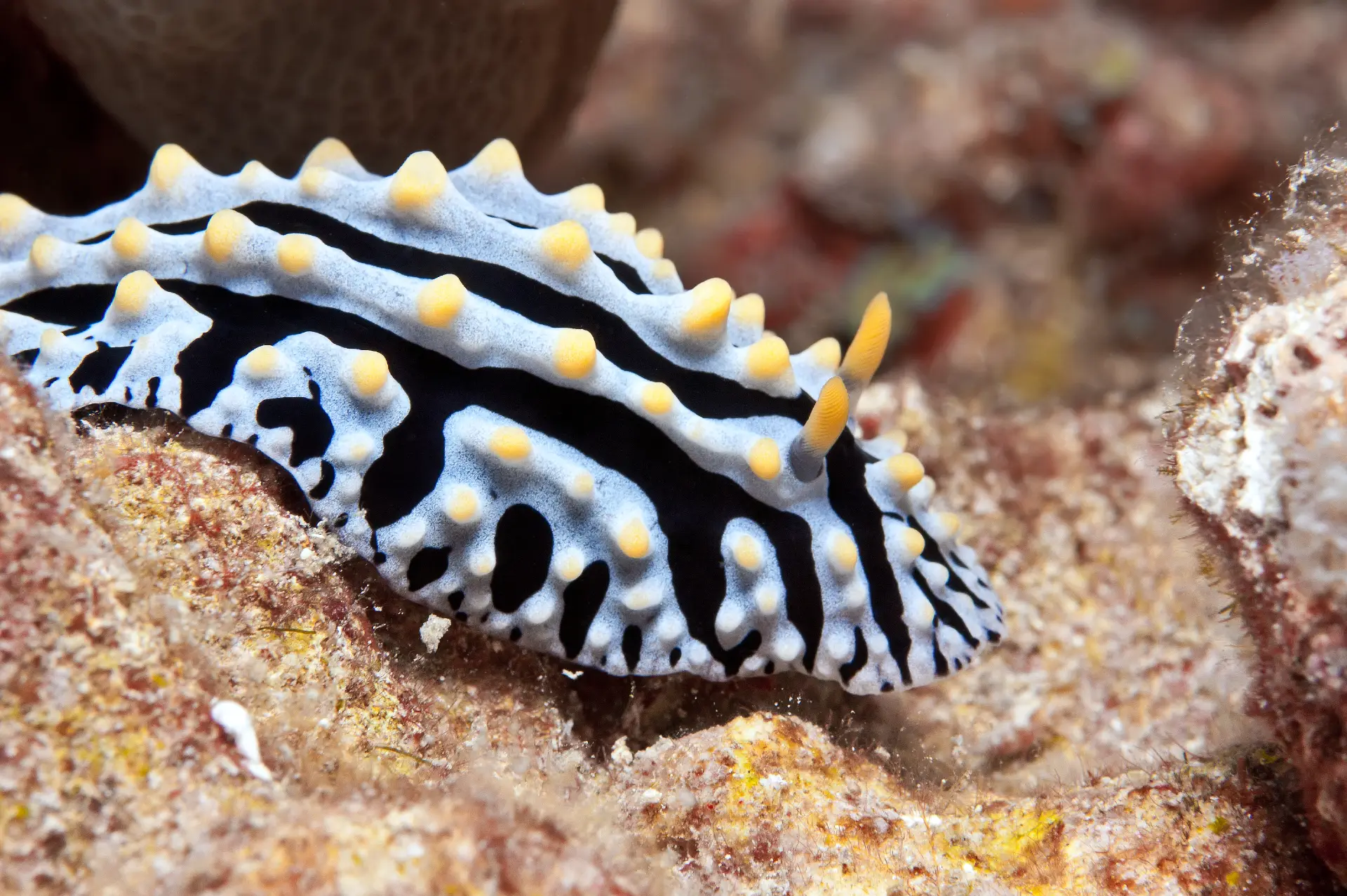
Macro: For the Tiny Treasures
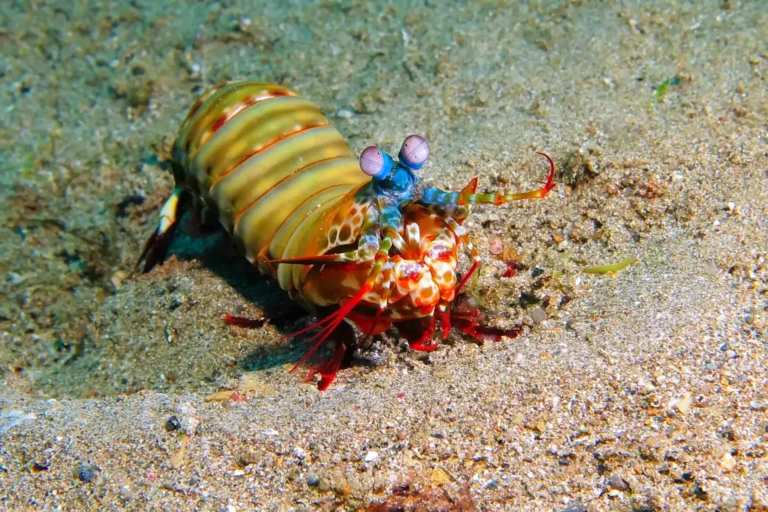
Macro flips everything. Now you’re hunting the small and the strange: nudibranchs in outrageous colors, frogfish doing their grumpy impression of a sponge, ghost pipefish drifting like scraps of weed, shrimp, and if you’re lucky, a pygmy seahorse clinging to a sea fan.
Here’s the bonus: macro doesn’t care much about visibility. When you’re shooting from a few centimeters away, murky water barely matters, which makes those calm, critter-rich sites perfect. It’s also where patience and sharp eyes pay off more than anywhere else.
Panglao is a macro paradise. The sandy patches and rubble of the Alona house reef and the muck sites around the island are packed with weird and wonderful little animals. Bring a macro setup on a dusk dive and you can even shoot the mandarinfish. Slow down, look closely, and a whole miniature world opens up that most divers swim straight over.
And here’s a fun wrinkle: some sites do both. Balicasag’s walls give you sweeping wide-angle scenes and, if you peer in at the sea fans, tiny pygmy seahorses for the macro shooter. The site doesn’t decide for you. Your lens does.
How to Choose on the Day
So how do you actually call it? Ask yourself three things.
Where are you diving? A wall or a big-fish site leans wide. A sandy, critter-hunting site leans macro. Ask your guide what the site is known for before you seal the housing.
What are the conditions? If visibility is down, macro will almost always give you a better result than a hazy wide-angle shot.
What do you want to come home with? Sometimes it’s simply about the shot you’re excited to take. Chase the one that’ll make you grin when you scroll through your photos that night.
When in doubt, ask the dive staff. We dive these sites constantly and usually know whether it’s a big-animal day or a hunt-for-critters day before we even splash.
A Few Tips Whatever You Shoot
Get close, then get closer. It’s the single biggest upgrade to almost any underwater photo.
Shoot slightly upward. Framing your subject against the brighter water above nearly always looks better than shooting down onto the sand.
Nail your buoyancy first. The best photographers are invisible on the reef, hovering rock-steady without touching a thing. If your buoyancy isn’t there yet, that’s worth sorting before you add a camera. Your images, and the coral, will thank you.
Shoot Bohol With Us
From your first reef shot on a compact to dialing in strobes on a full rig, Bohol gives you the range to do it all. Our guides know which sites are firing for wide-angle and which are crawling with macro life, and if you want to sharpen your skills, our PADI underwater photography courses will get you there faster.
Bring your camera, tell us what you’re hoping to shoot, and we’ll point you at the right site and the right setup.