Why Bohol Is The Best Place To Dive With Turtles (And The Species You’ll See)
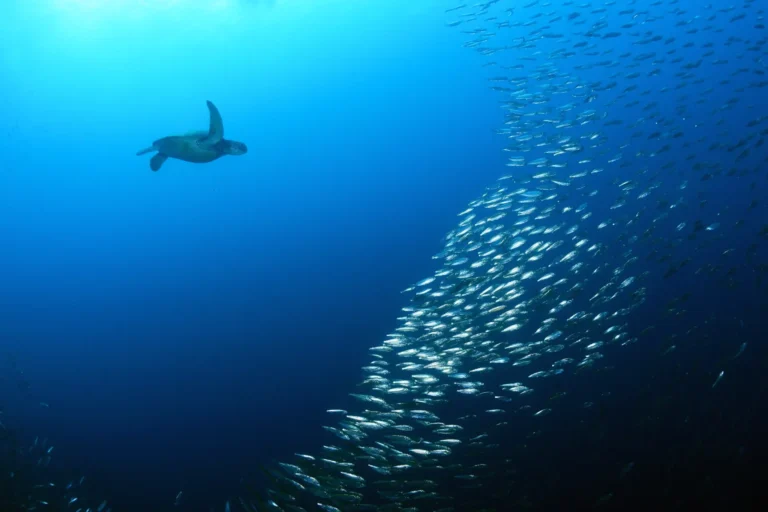
There is a universal truth in scuba diving: nobody ever gets tired of seeing a sea turtle.
Whether you have five logged dives or five thousand, there is something deeply magical about watching these ancient reptiles glide effortlessly over a coral reef. They are the undeniable rockstars of the ocean. And while you can spot turtles in many tropical destinations around the world, there are very few places where encounters are practically guaranteed.
Bohol is one of those places.
If diving with turtles is at the very top of your bucket list, you need to pack your bags and head to the Visayas. Here is exactly why the Bohol Sea is a global hotspot for sea turtles, how our local marine sanctuaries protect them, and a deep dive into the specific species you will encounter when you roll off the boat with Sierra Madre Divers.
Why is Bohol a Turtle Magnet?
Turtles do not just wander the ocean aimlessly; they congregate where there is a reliable food source and a safe environment. Bohol provides the perfect storm of both.
- The Balicasag Island Sanctuary: As we have highlighted before, Balicasag Island is heavily protected by the local Marine Protected Area (MPA) system. Because fishing is banned and diver quotas are strictly enforced, the turtles know they are safe. They do not flee from the sound of scuba bubbles; they simply go about their day, allowing for incredible, close-up encounters.
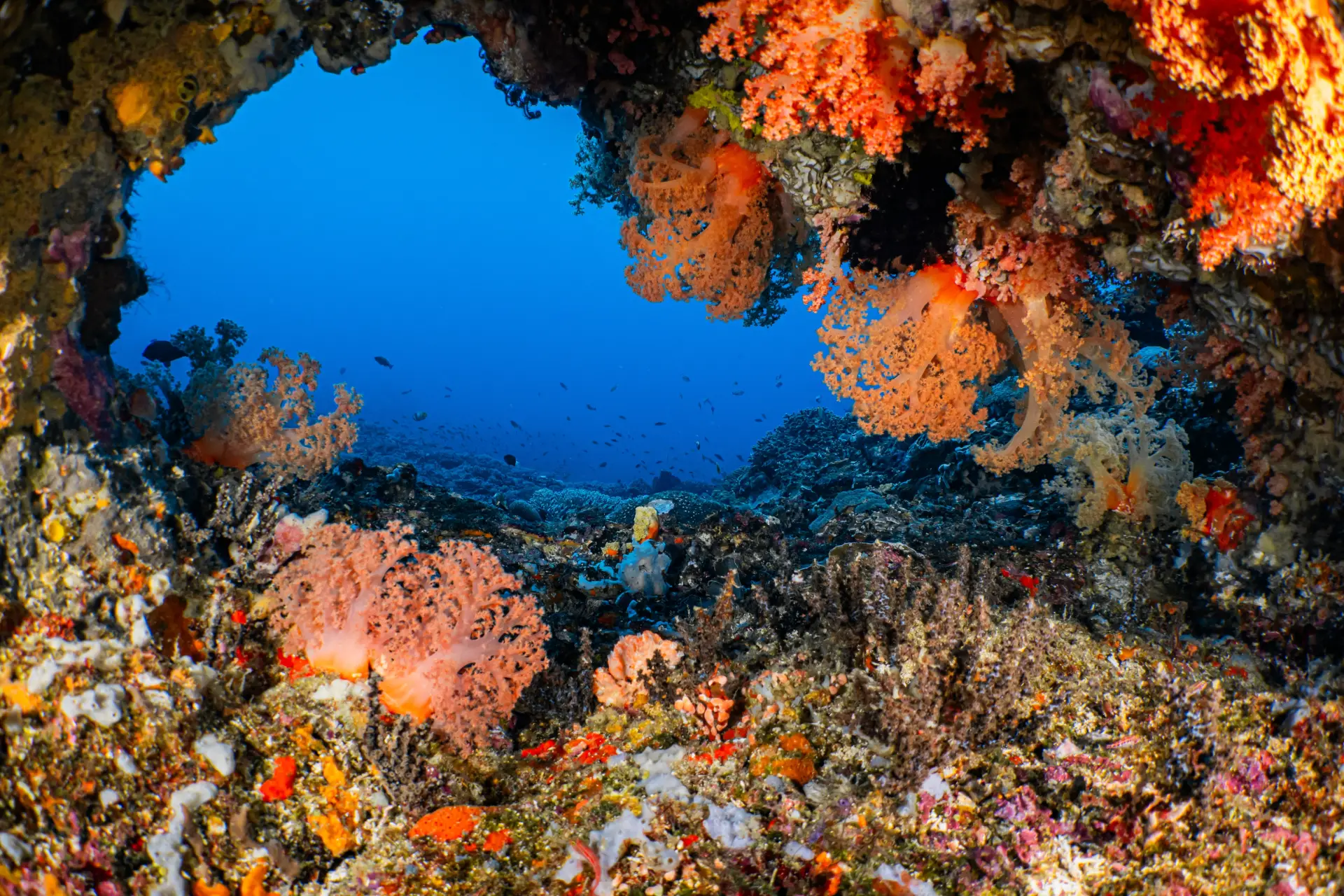
- The Perfect Menu: The topography of Panglao and Balicasag features shallow, sunlit plateaus (ranging from 3 to 10 meters) before dropping off into deep walls. These shallow shelves are covered in lush sea grass beds and algae, while the walls are plastered with massive barrel sponges. This provides a limitless, all-you-can-eat buffet for the two main species of turtles that call these waters home.
The Deep Dive: Meet the Turtles of Bohol
While there are seven species of sea turtles worldwide, there are two specific residents that dominate the reefs of Bohol. Knowing how to tell them apart makes your dive infinitely more rewarding.
The Green Sea Turtle (Chelonia mydas)
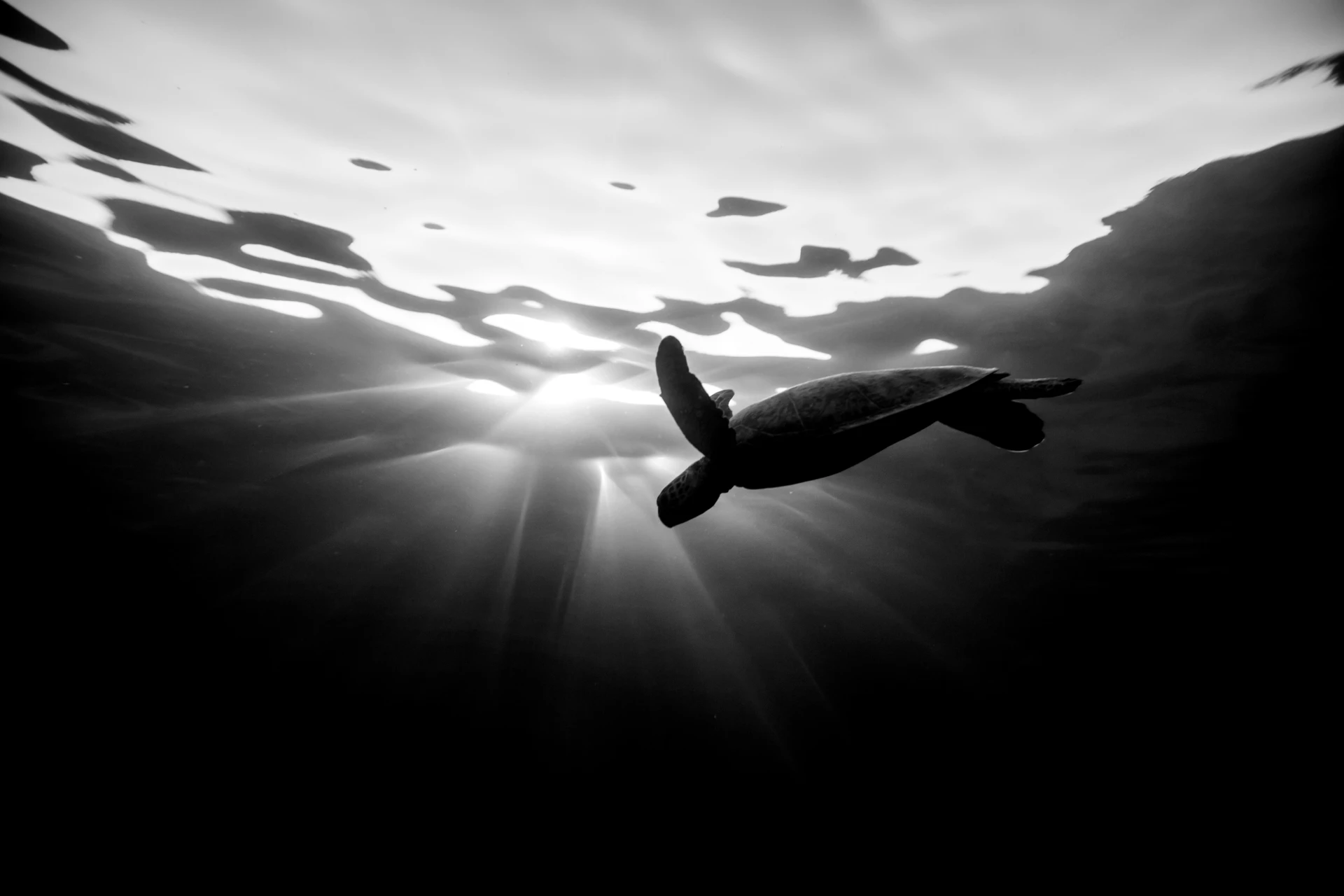
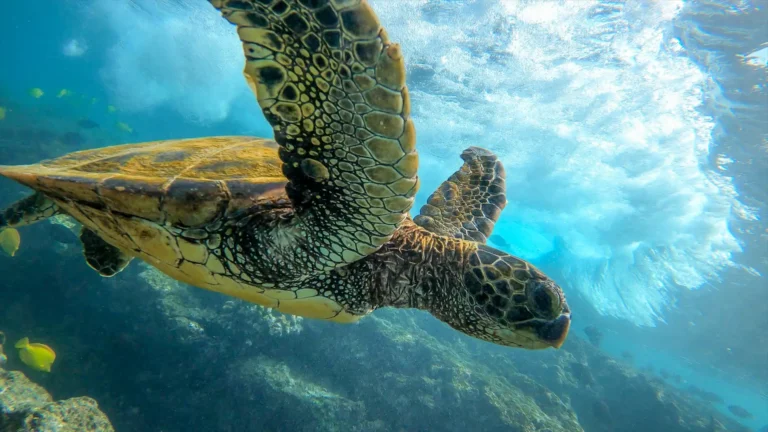
This is the gentle giant of the Bohol Sea, and the species you will see most frequently grazing in the shallow waters.
- How to Identify Them: Despite the name, their shells are usually a dark olive or brown. They are named for the greenish color of their fat! Look at their shell (carapace): it is smooth, broad, and oval-shaped. They also have a blunt, rounded snout.
- Size: They are massive. An adult Green Sea Turtle can weigh up to 160 kg (350 lbs) and have a shell length of over a meter.
- The Diet: Adult Green Turtles are the only strictly herbivorous sea turtles. They spend their days on the shallow plateaus of Balicasag mowing the lawn, munching exclusively on sea grass and algae.
- The Encounter: You will almost always find them resting on sandy patches or actively eating in the shallows. They are incredibly docile. If you maintain excellent neutral buoyancy and simply hover nearby, they will completely ignore you and keep eating.

The Hawksbill Sea Turtle (Eretmochelys imbricata)
Critically endangered globally, the Hawksbill is a rare treat in most parts of the world, but it maintains a strong, healthy population right here along the drop-offs of Panglao and Balicasag.
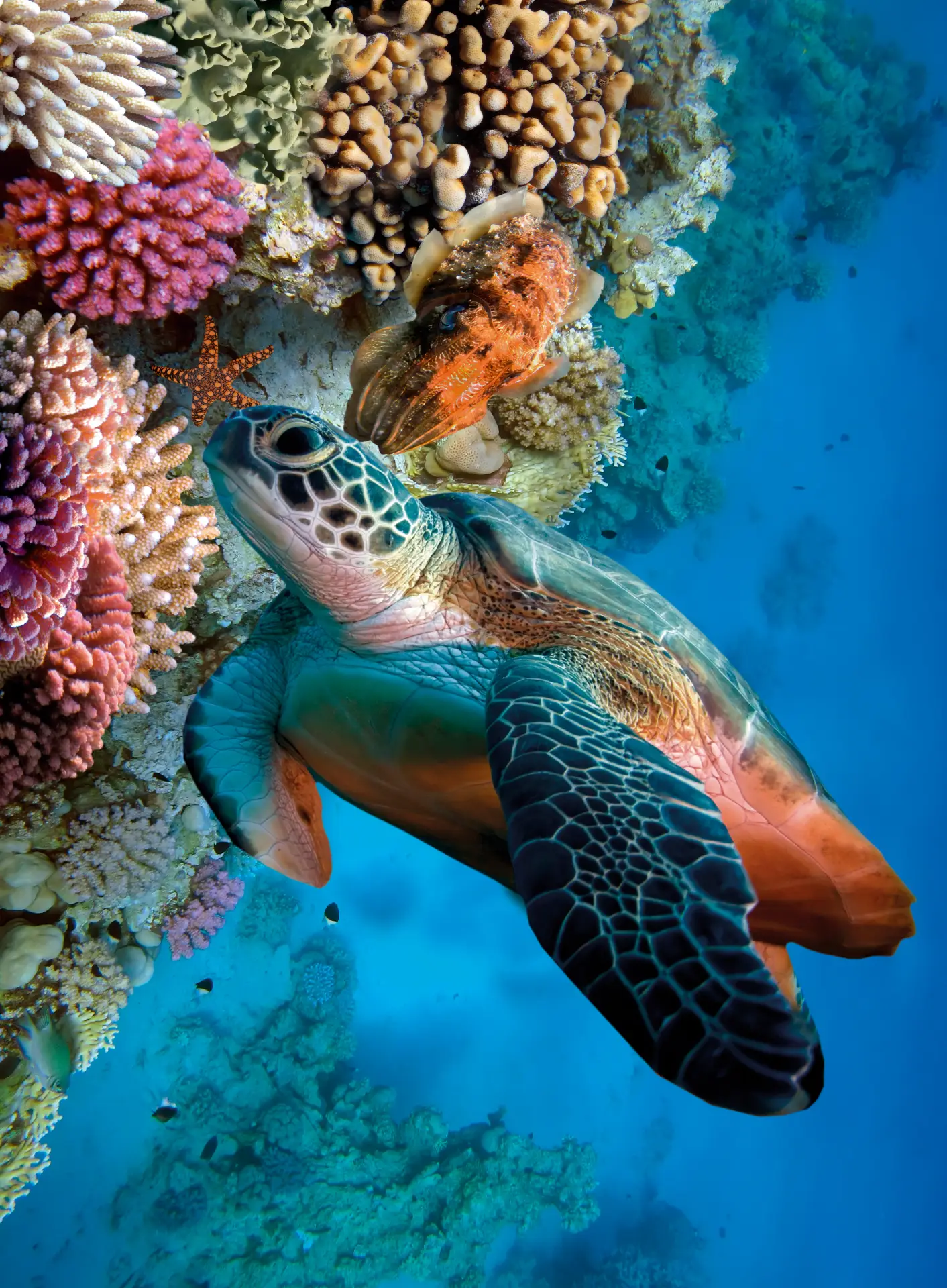
- How to Identify Them: They are arguably the most beautiful sea turtle. Their shells feature a stunning, overlapping “tortoiseshell” pattern with jagged, serrated edges at the back. As their name suggests, they have a sharp, pointed, bird-like beak.
- Size: They are significantly smaller and more agile than Green Turtles, typically weighing around 45 to 90 kg (100 to 200 lbs).
- The Diet: Hawksbills are omnivores with a highly specialized diet: they love toxic sea sponges. That sharp beak is perfectly evolved for reaching into the deep crevices of the reef wall to rip chunks of sponge away.
- The Encounter: While Green Turtles hang out in the shallow grass, you will usually find Hawksbills vertically aligned against the sheer reef walls of Black Forest or Diver’s Heaven, actively tearing into the sponges. They are active, fast swimmers and a joy to watch as they navigate the currents.
The Rules of Engagement: How to Behave
At Sierra Madre Divers, protecting these creatures is our highest priority. To ensure they stick around for future generations, we enforce a strict code of conduct underwater.
- The “No Touch” Rule: This is absolute. Touching a turtle removes the protective mucous layer on their shell and skin, exposing them to deadly bacterial infections. It also causes massive stress.
- Never Block Their Path to the Surface: Sea turtles are air-breathing reptiles. If they are swimming upward, they need to breathe. Never hover directly above a turtle or crowd its ascent path.
- Watch Your Fin Kicks: When a turtle is nearby, divers often get distracted and forget their buoyancy. Keep your eyes on the turtle, but stay aware of where your fins are so you don’t accidentally kick the reef.
Come Swim With the Ancients
There is no feeling quite like drifting along a coral wall and making eye contact with a creature that has been navigating the oceans since the time of the dinosaurs.
If you are ready to log the most unforgettable turtle encounters of your diving career, the Visayas are waiting. Contact Sierra Madre Divers today to book your Balicasag Island sanctuary passes, and let’s go find some turtles!