Why Dive Professionals are Irreplaceable in an Age of AI
We live in a world of accelerating change. Artificial intelligence can compose music, design products, and plan your entire vacation itinerary. Automation handles everything from your online check-in to your food delivery. This has led many to wonder: what is the future of human expertise?
As this wave of technology sweeps through every industry, a powerful counter-trend has emerged: the explosive growth of experiential tourism. People are more desperate than ever to disconnect from their screens and do something real. They crave authentic, hands-on, human-led adventures that challenge their minds and engage their bodies.
And in the world of adventure sports, nowhere is this more true than scuba diving.
The dive industry has already masterfully integrated technology. PADI’s eLearning platform, for instance, is a brilliant tool. It allows aspiring divers to learn the complex theory of physics and physiology at their own pace, from anywhere in the world. This automation is a huge benefit, freeing up precious vacation time.
But what does it free up that time for?
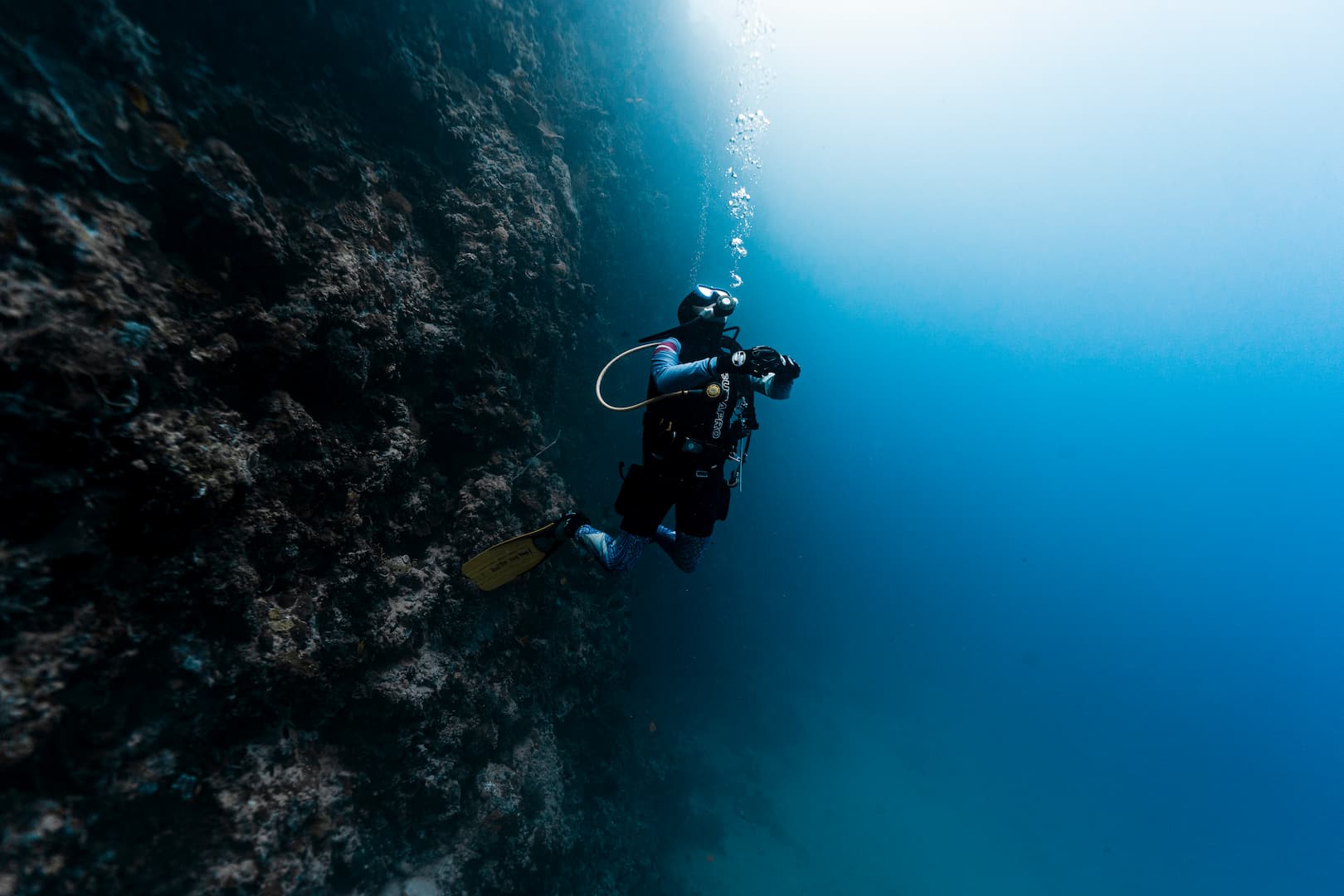
It frees up time for the most important, irreplaceable part of the journey: the in-water experience. And for that, no app, algorithm, or robot will ever replace a living, breathing, professional PADI Instructor or Divemaster. Here’s why the human element is not just relevant but more valuable than ever.
Safety is Not Automatable
Scuba diving is an incredibly safe adventure sport because it is managed by trained professionals. An instructor or divemaster is a multi-tasking risk-management computer.
In a single glance, they are:
- Reading the subtle signs of a nervous student’s body language.
- Monitoring the air consumption of four different divers.
- Assessing a faint, changing water current.
- Recalculating a dive plan in real-time based on the group’s performance.
An AI can’t look a student in the eyes and build the trust needed to calm their nerves before a first descent. An app can’t make a split-second, intuitive judgment call in an emergency. Safety in a dynamic, underwater environment is a profoundly human responsibility. It requires adaptability, empathy, and real-world experience—qualities that cannot be coded.
You Can’t Learn a “Feeling” from a Screen
You can watch a thousand videos on how to ride a bicycle, but you’ll never learn until you feel the sensation of balance for yourself. Scuba diving is the same. The single most important skill a diver must learn is neutral buoyancy—the art of “flying” weightlessly underwater.
Buoyancy is not a formula; it’s a feeling. It’s the subtle interplay between your lung volume, your weighting, and your position in the water.
This is a skill that can only be taught through hands-on mentorship. It requires an instructor to be in the water with you, demonstrating the technique and providing instant, nuanced feedback: “Drop your right shoulder,” “Exhale just a little slower,” “You see? Now you’re holding it.” This is the art of teaching a physical, sensory skill, and it is a fundamentally human interaction.
The “Experience” is the Human Connection
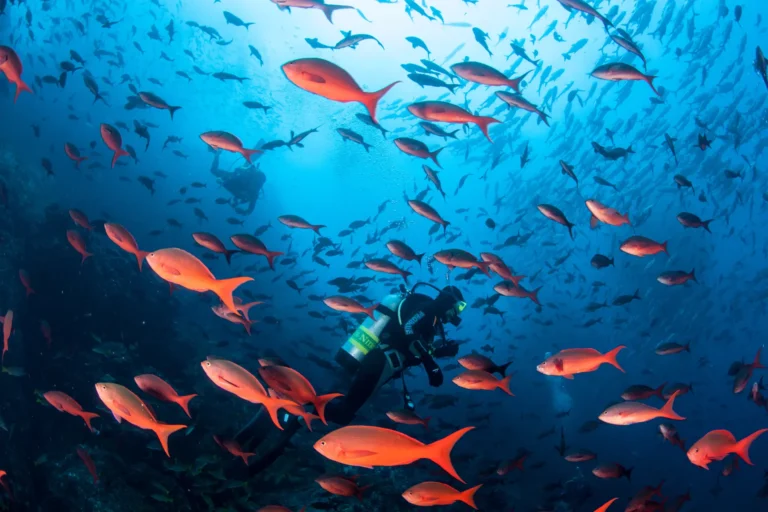
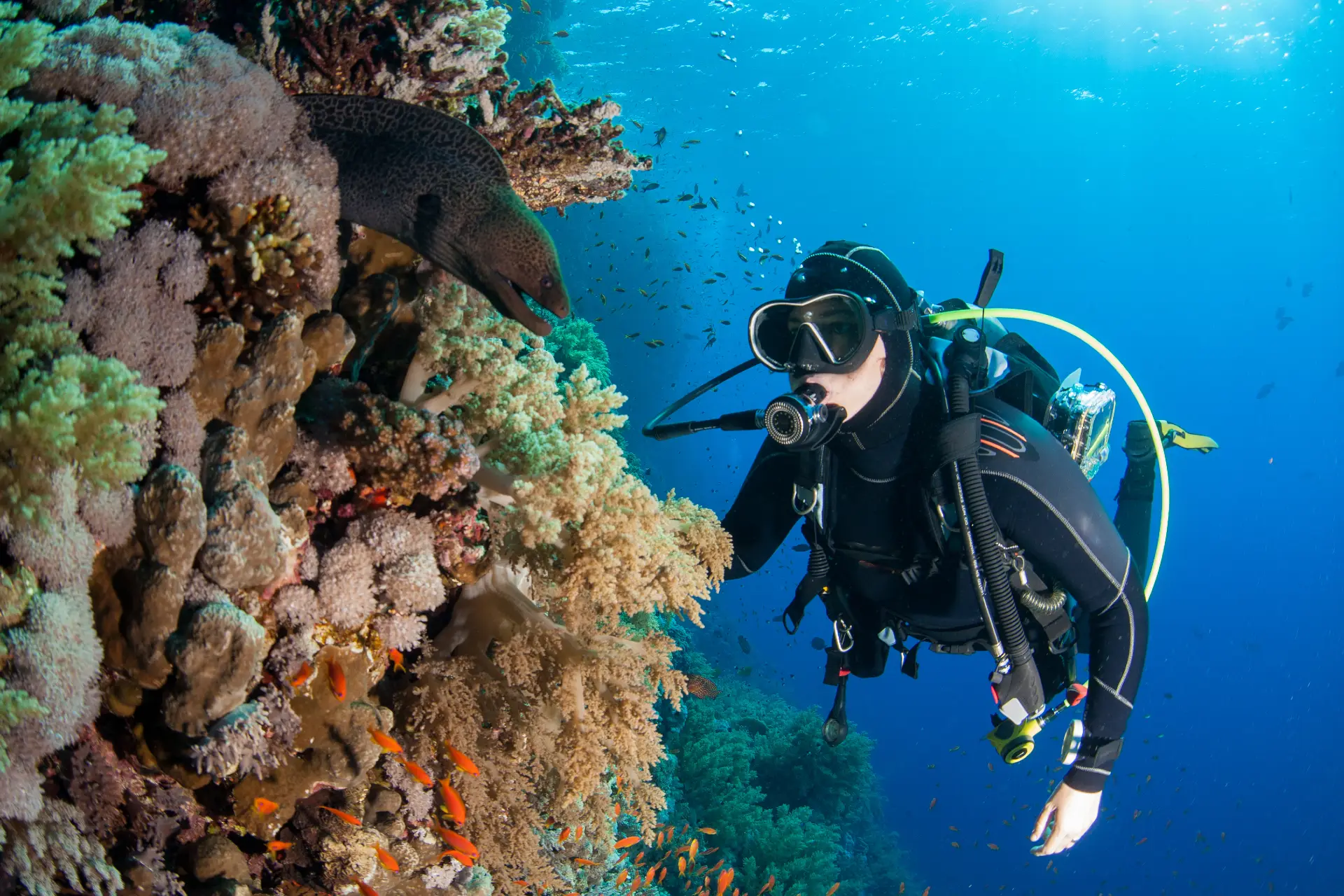
When you book a dive trip to Bohol, you’re not just paying to see a sea turtle at Balicasag. You are investing in an experience. You’re looking for an adventure, a story, and a shared human connection.
The Divemaster is the host of that adventure.
- They are the local expert who knows the secret spot where the pygmy seahorses hide.
- They are the storyteller on the boat, sharing the history of a dive site.
- They are the reassuring presence, managing the dive so you can relax and just enjoy the view.
- They are the passionate guide whose own excitement at spotting a frogfish becomes infectious.
This is the “experience” in experiential tourism. It’s the laughter on the boat, the shared high-five after a perfect dive, and the trust you place in a professional guide. You can’t share a sense of wonder with a processing chip. You share it with a person.
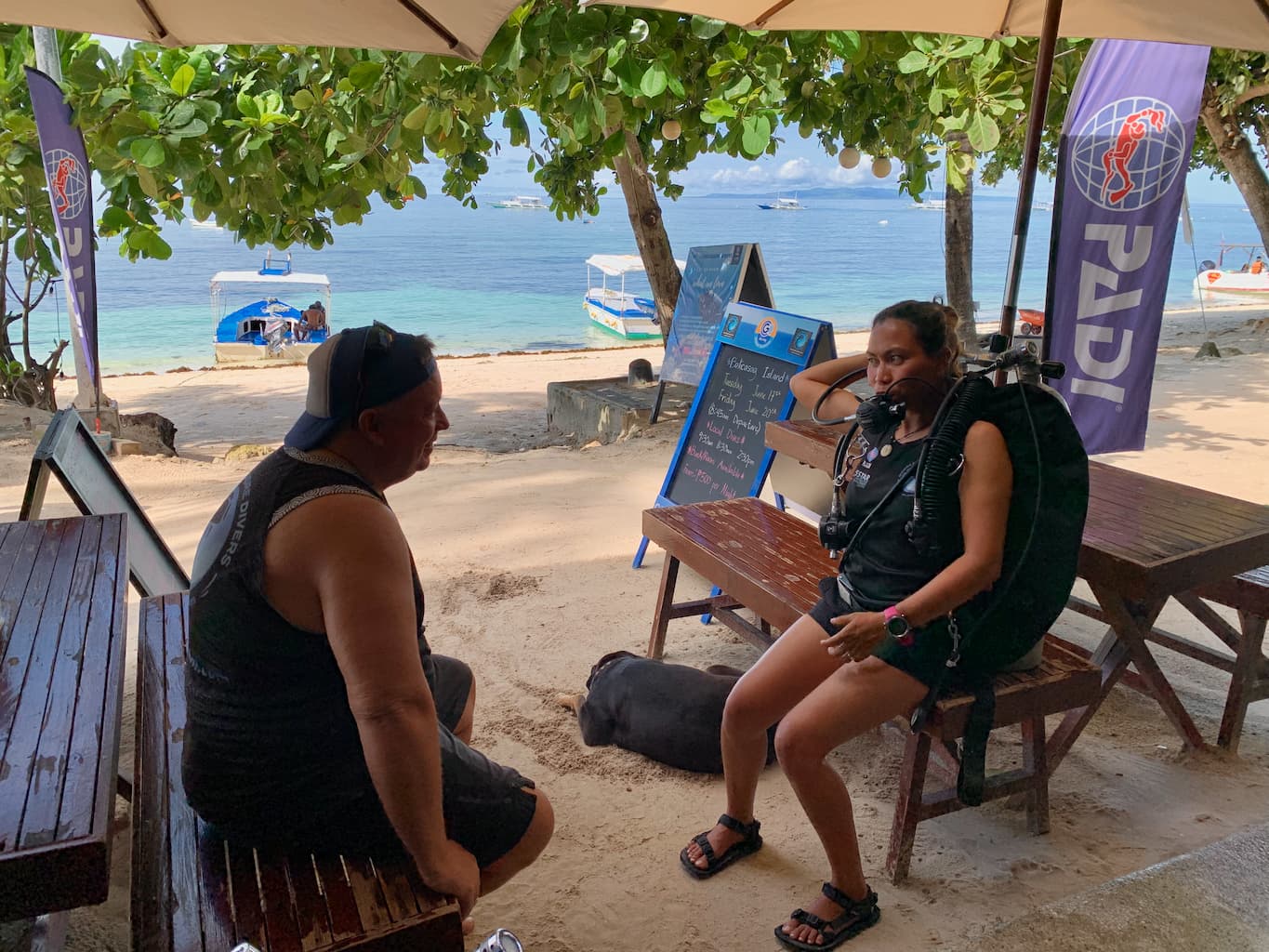
The Future is Human-Led
Technology will continue to make diving more accessible and efficient. eLearning will handle the “what” (the facts and figures), freeing up more time for the “how” and the “why.”
But the heart of diving—the training, the mentorship, the safety, and the shared joy of discovery—will always belong to the PADI Instructor and Divemaster. The demand for authentic, human-led adventures is only growing. A career as a dive professional isn’t just a job; it’s a secure and essential role in the future of travel.
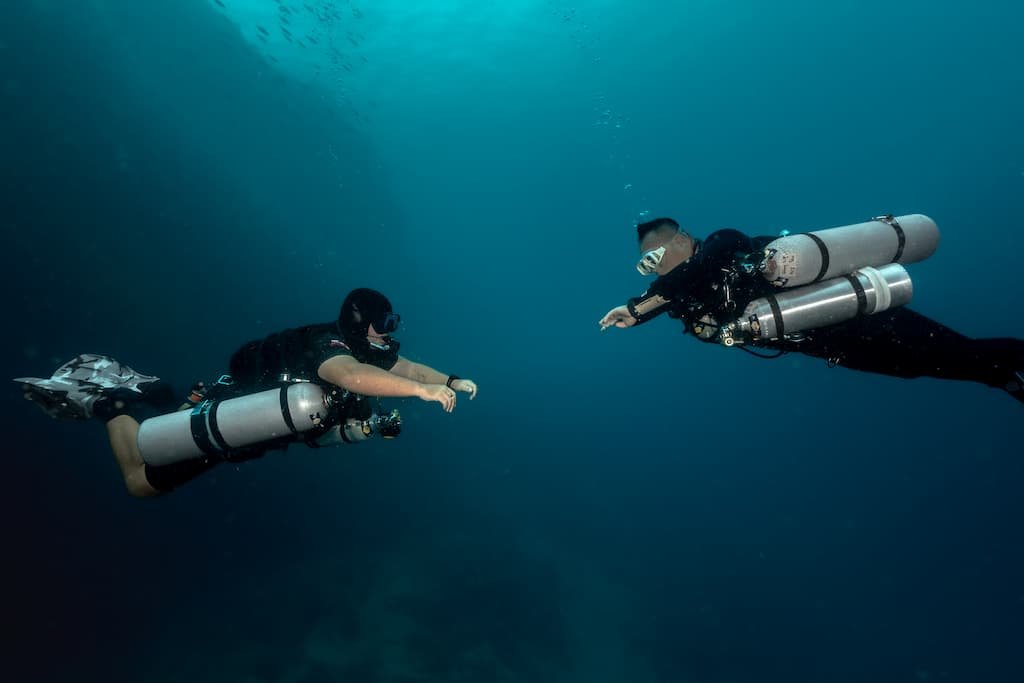
Technology is a fantastic tool, but a tool is only as good as the skilled human who wields it. And when you’re 18 meters underwater, you want the hand of a human professional to guide you.
Are you ready to become that irreplaceable human guide? Our PADI Divemaster and Instructor courses in Bohol are where your journey begins.