Bohol Weather Month-by-Month: When Is the Best Time to Dive?
It is the very first question you type into the search bar after deciding to take a scuba vacation to the Philippines: “When is the absolute best time to go?”
Nobody wants to fly halfway across the world only to sit in a hotel room watching a monsoon wash out their dive plans. Because the Philippines is a tropical archipelago, the weather patterns here are distinct, and they dictate everything from water temperature to visibility.
However, we have a massive geographical advantage. Because Panglao and Bohol are nestled safely in the middle of the Visayas—shielded by surrounding islands like Cebu and Mindanao—we are largely protected from the worst of the extreme weather that hits the eastern seaboards.
The honest truth? Bohol is a year-round diving destination. But every season offers a completely different vibe.
Whether you want glass-calm surface conditions for your PADI Open Water Diver course or you prefer to hunt macro critters without the crowds, here is your transparent, month-by-month guide to the weather and diving conditions with Sierra Madre Divers.
The Two Main Monsoons (Amihan vs. Habagat)
Before we break down the months, you need to understand the two prevailing winds that define Philippine weather:
- Amihan (Northeast Monsoon): Roughly November to April. Brings cooler, drier air and generally calm seas to our side of the island.
- Habagat (Southwest Monsoon): Roughly June to October. Brings warmer, wetter air. It can make the waters on the exposed side of Panglao choppy, but we simply adapt our dive sites to the sheltered, leeward side of the island.
December to February: The Cool and Breezy Season
This is the peak tourist season in the Philippines. Travelers from North America and Europe flock here to escape the winter snow.
- Topside Weather: Absolutely beautiful. The humidity drops, the evenings are cool and breezy, and you rarely need an umbrella.
- Water Temperature: This is the “coldest” the Bohol Sea gets, dropping to around 26°C to 27°C (79°F – 81°F).
- Diving Conditions: Visibility is generally fantastic.
- The Verdict: Perfect if you love comfortable topside weather and lively nightlife. However, you will definitely want to pack a full 3mm wetsuit, and you must book your Balicasag Island sanctuary passes well in advance, as the boats fill up fast!
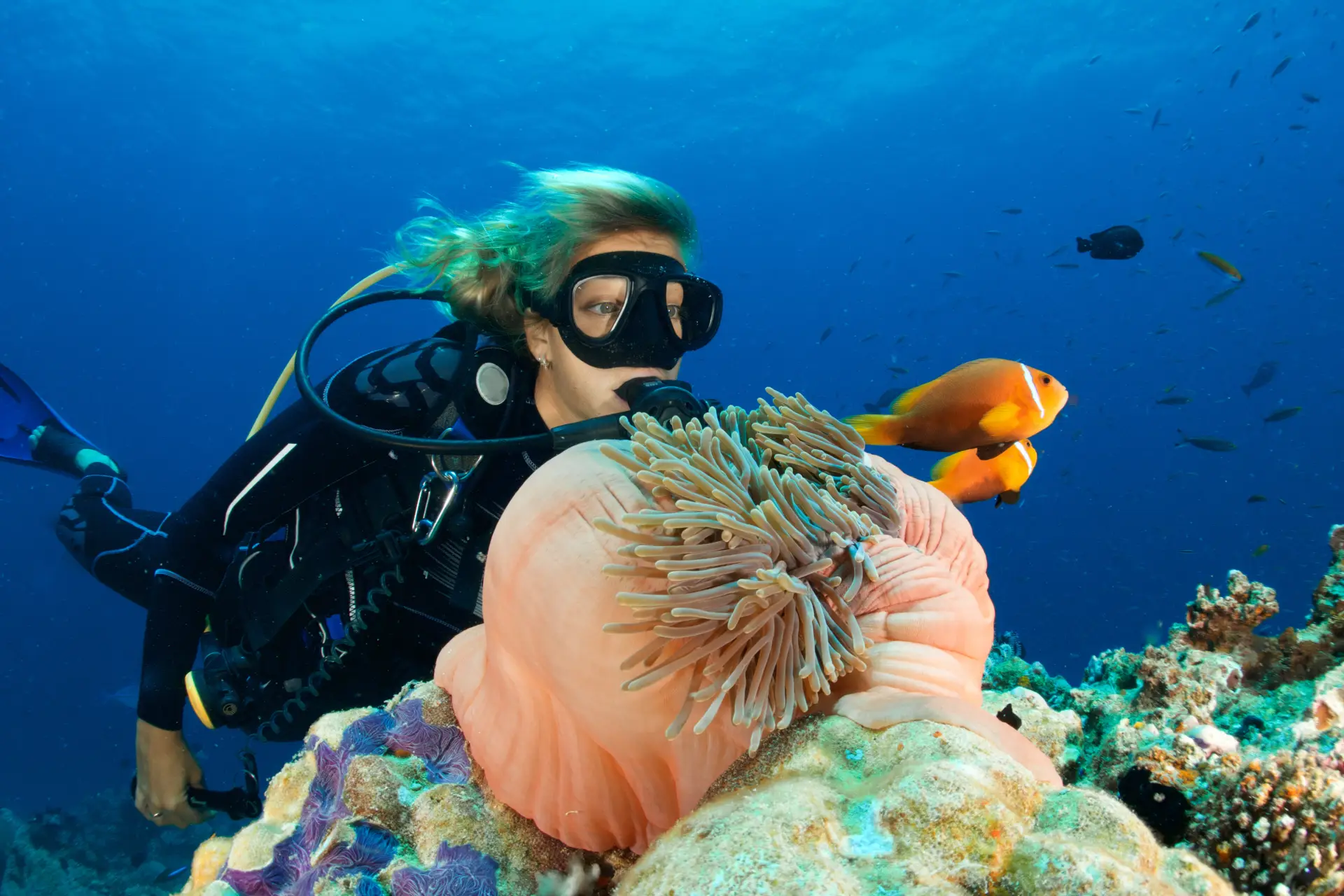
March to May: The Philippine Summer
If you want to experience the ocean at its absolute most pristine, this is the window. This is the official summer season in the Philippines.
- Topside Weather: Hot, humid, and very sunny. Topside temperatures consistently sit in the low-to-mid 30s Celsius (90s Fahrenheit).
- Water Temperature: The ocean turns into a warm bath, reaching up to 29°C to 30°C (84°F – 86°F). Many divers ditch their wetsuits entirely and just dive in a rash guard.
- Diving Conditions: The ocean is often as flat as a mirror. This glassy surface makes for incredibly easy boat rides and perfect conditions for spotting pelagics out in the blue. Visibility is at its absolute peak, frequently exceeding 25 to 30 meters.
- The Verdict: The undisputed best time for pure diving conditions. It is ideal for taking advanced SSI courses or perfecting your underwater photography without fighting any chop.
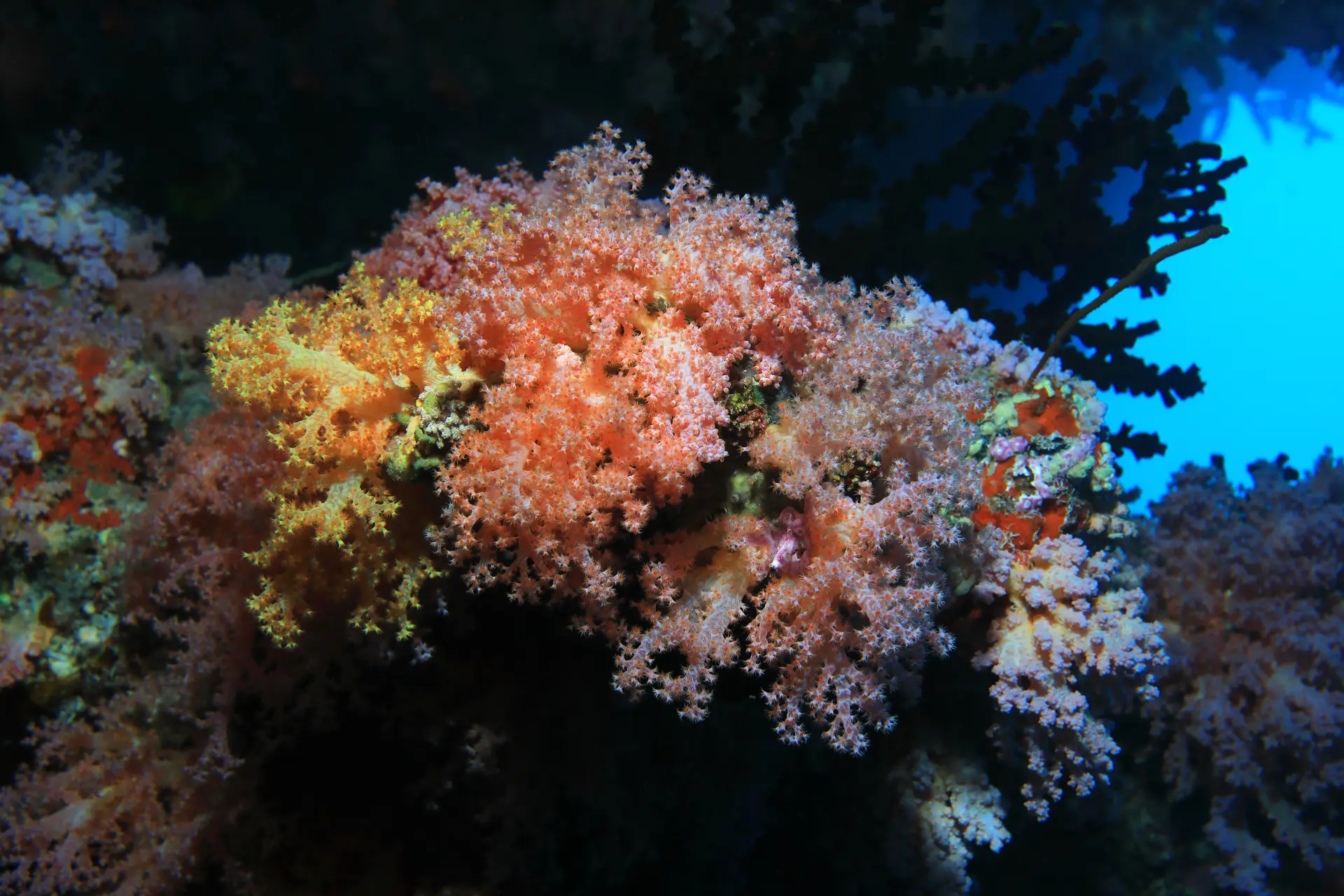
June to August: The Green Season
As the Habagat winds begin to blow, the dry summer ends and the rainy season begins. But don’t let the word “rain” scare you away.
- Topside Weather: It does not usually rain all day. A typical day involves a bright, sunny morning followed by a heavy, spectacular afternoon thunderstorm that cools everything down, clearing up in time for sunset.
- Water Temperature: Still very warm, sitting comfortably around 28°C to 29°C (82°F – 84°F).
- Diving Conditions: The wind can make the surface a bit choppy, but underwater, the reefs remain completely unbothered. The plankton blooms brought by the rain can slightly reduce visibility, but this nutrient-rich water is a massive magnet for marine life.
- The Verdict: A fantastic time for macro enthusiasts and budget-conscious solo travelers. The massive crowds of summer have gone home, meaning you get the reefs (and the dive boats) mostly to yourself.
September to November: The Transition (Shoulder Season)
This is the most unpredictable time of the year. The winds are shifting from Habagat back to Amihan. It is also the peak of the Pacific typhoon season.
- Topside Weather: Highly variable. You might get ten days of flawless, uninterrupted sunshine, or you might get three days of heavy wind and rain if a tropical depression passes through the region.
- Water Temperature: Holding steady around 27°C to 28°C (81°F – 82°F).
- Diving Conditions: Because Bohol is sheltered by other islands, we rarely take direct hits from typhoons. Even if it is raining, we can almost always find a calm, safe site to dive. The shifting currents often bring incredible marine life activity to sites like Pamilacan Island.
- The Verdict: For the flexible traveler. If you don’t mind the occasional rained-out afternoon, you are rewarded with excellent rates on accommodation and perfectly quiet dive sites.
So, When Should You Book Your Flight?
- For the Absolute Best Water Conditions: Target March, April, or May.
- To Escape the Winter Snow: Target January or February.
- To Avoid the Crowds: Target September or October.
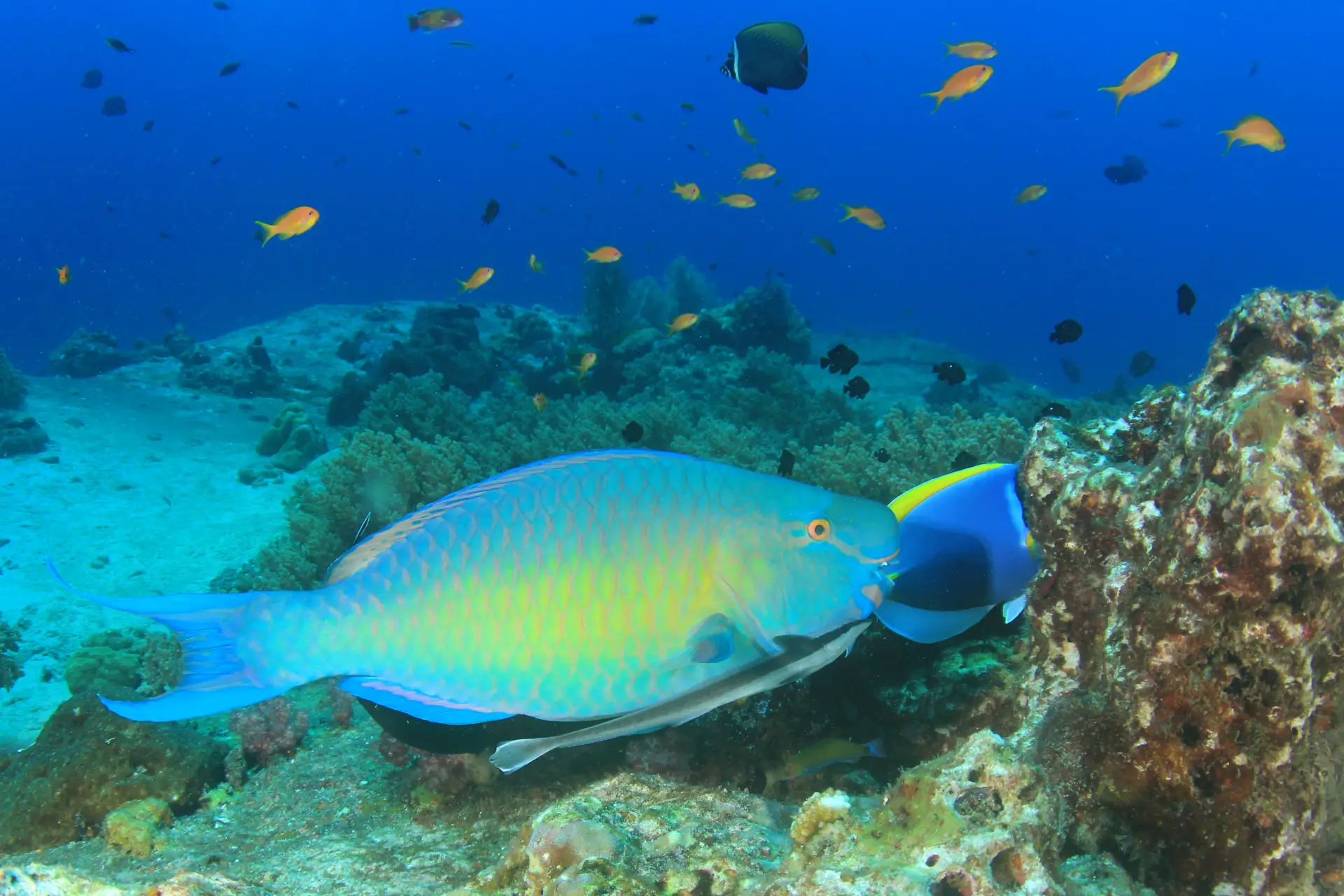
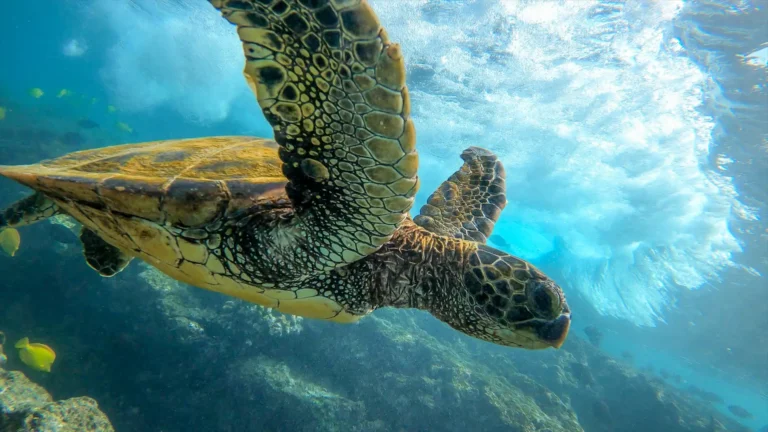
No matter what month the calendar shows, the sea turtles of Balicasag, the frogfish of Arco Point, and the sheer drops of Doljo are waiting.
We dive 365 days a year, constantly adapting our daily schedules to ensure we put you in the safest, clearest water possible on any given day. Contact the team at Sierra Madre Divers with your travel dates, and let’s start planning your perfect Bohol dive itinerary!