The 24-Hour Rule: Flying After Diving and What Every Bohol Visitor Must Know
It is the classic end-of-vacation dilemma. You are sitting at a beachfront bar on Alona Beach, sipping a San Miguel, and scrolling through the photos of the sea turtles you just saw at Balicasag Island. You look at your flight itinerary. You don’t fly out until 4:00 PM tomorrow.
You do the math in your head. “If I wake up early, I can squeeze in one more morning dive at Arco Point, right?”
Before you run to the Sierra Madre Divers dive center to book that last-minute tank, we need to talk about the most important safety rule in scuba diving travel: Flying After Diving.
While modern dive computers and excellent training have made scuba diving incredibly safe, the physics of compressed air and airplane cabins do not mix. If you are planning your departure from Bohol, here is the clear, no-nonsense science behind the “No-Fly” rules, and how to safely plan your exit.
The Invisible Danger: Why Can’t I Fly?
To understand the rule, you have to understand what happens to your body underwater.
When you dive, you are breathing compressed air. Your body consumes the oxygen, but the nitrogen gas dissolves into your bloodstream and body tissues. As long as you ascend slowly and do your safety stops, your body safely “off-gasses” this nitrogen through your lungs as you breathe.
However, even after you surface from your final dive and step onto the beach in Panglao, you are still carrying a “residual” amount of nitrogen in your tissues. At sea level, this is perfectly fine; your body will continue to slowly off-gas it over the next several hours.
The danger occurs when you change your ambient pressure too quickly.
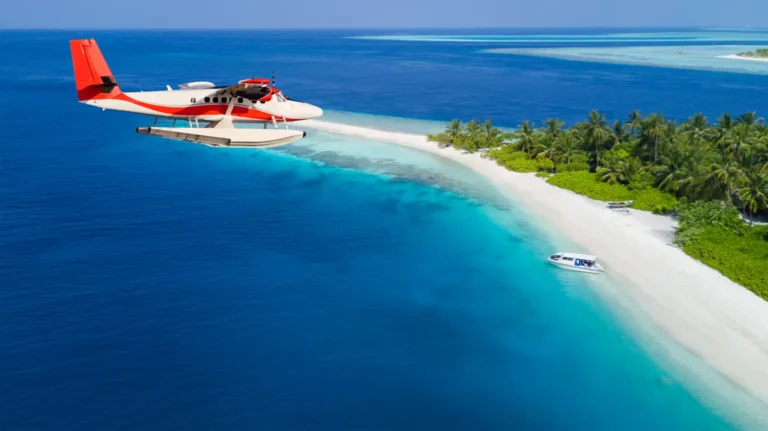
When you board a flight at the Bohol-Panglao International Airport (TAG), the airplane climbs to 35,000 feet. While commercial cabins are pressurized, they are only pressurized to an equivalent altitude of about 6,000 to 8,000 feet. This sudden drop in pressure is like shaking a bottle of soda and ripping the cap off. The residual nitrogen in your tissues expands rapidly, forming bubbles in your bloodstream and joints.
This causes Decompression Sickness (DCS), commonly known as “The Bends.” It is incredibly painful, potentially fatal, and completely avoidable.
The Golden Rules: The Official Guidelines
At Sierra Madre Divers, we strictly adhere to the guidelines established by the Divers Alert Network (DAN) and PADI. These rules are non-negotiable.
Your dive computer will display a “Time to Fly” countdown, but it is critical to know the baseline rules before you plan your trip:
- For a Single Dive: If you only did one single, no-decompression dive during your entire trip, you must wait a minimum of 12 hours before flying.
- For Repetitive Dives / Multiple Days: If you are like most of our guests and have been diving multiple times a day for several days, you must wait a minimum of 18 hours before flying.
- The Sierra Madre Recommendation: We always advise rounding up. The safest, most universally accepted practice is to leave a full 24-hour surface interval between your last dive and your flight departure.
The “Bohol Specifics” (Ferries and Topside Altitude)
Because of Bohol’s geography, traveling divers often have questions about local logistics.
What if I am taking the ferry to Cebu? Many visitors leave Bohol by taking the OceanJet ferry from Tagbilaran City to Cebu, and then flying out of Mactan-Cebu International Airport (CEB).
- The Ferry: Ferries travel at sea level. Taking the two-hour ferry to Cebu immediately after diving is 100% safe.
- The Flight: Your No-Fly countdown still applies to your flight out of Cebu. You calculate the 18 to 24 hours from the moment you surface from your last dive in Bohol, to the moment your plane takes off in Cebu.
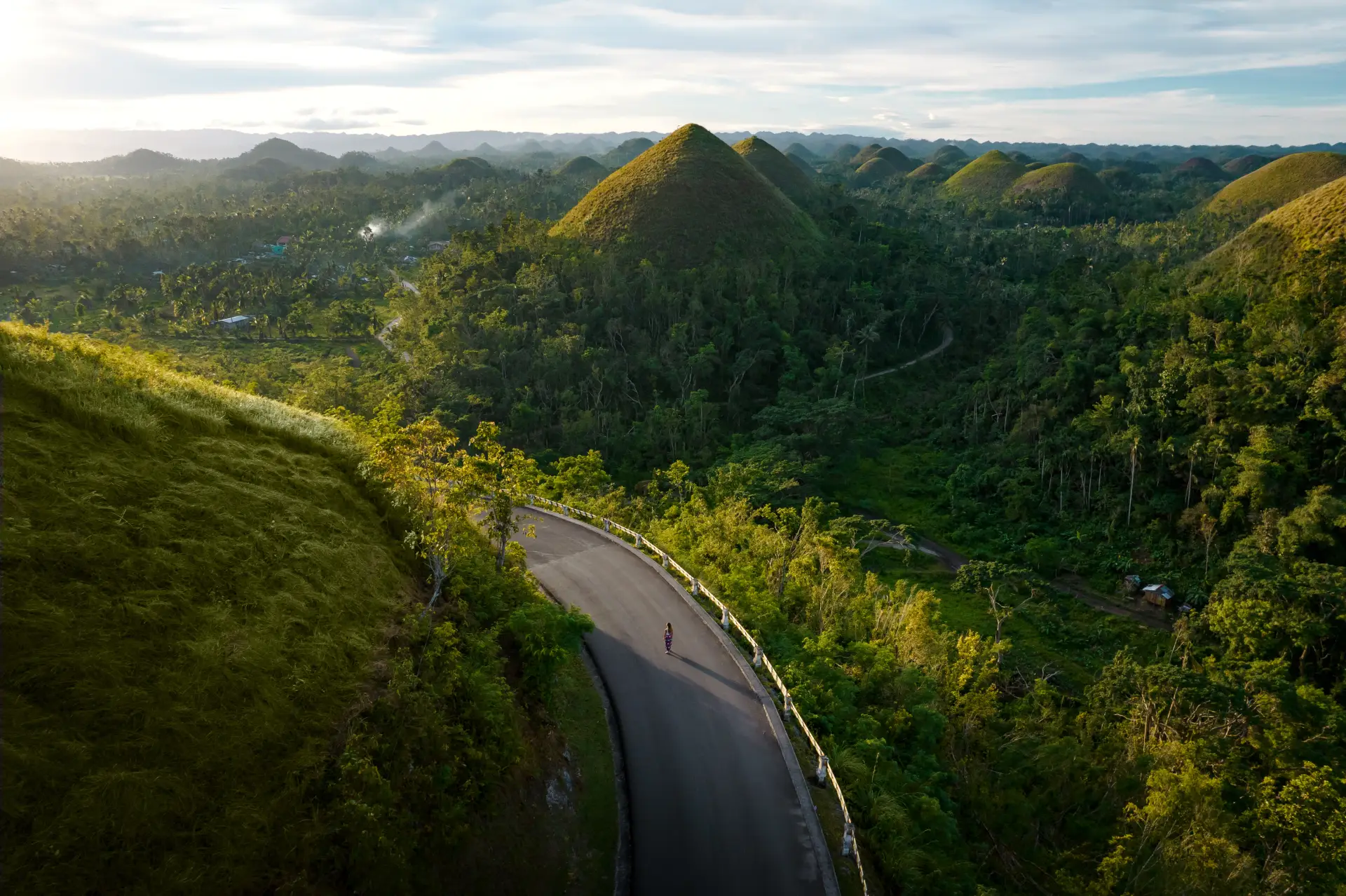
Can I do the Chocolate Hills tour after diving? Yes! DCS is triggered by ascending to altitude. DAN defines “altitude” as anything above 1,000 feet (300 meters). The highest of the famous Chocolate Hills sit at around 120 meters above sea level. Renting a scooter or taking a van tour through the Bohol countryside on the afternoon after your dives is perfectly safe.
How to Maximize Your “Dry Day”
Having a mandatory 24-hour dry period before you fly is actually a blessing in disguise. It forces you to dry out your gear, relax, and explore the topside beauty of the island.
Here is how our divers typically spend their pre-flight day in Bohol:
- The Morning Gear Wash: Bring your personal gear into the dive shop. Rinse it in our fresh-water tanks and hang it in the tropical sun so it is bone-dry before you pack it in your suitcase. (Nobody likes a smelly, damp dive bag at the airport).
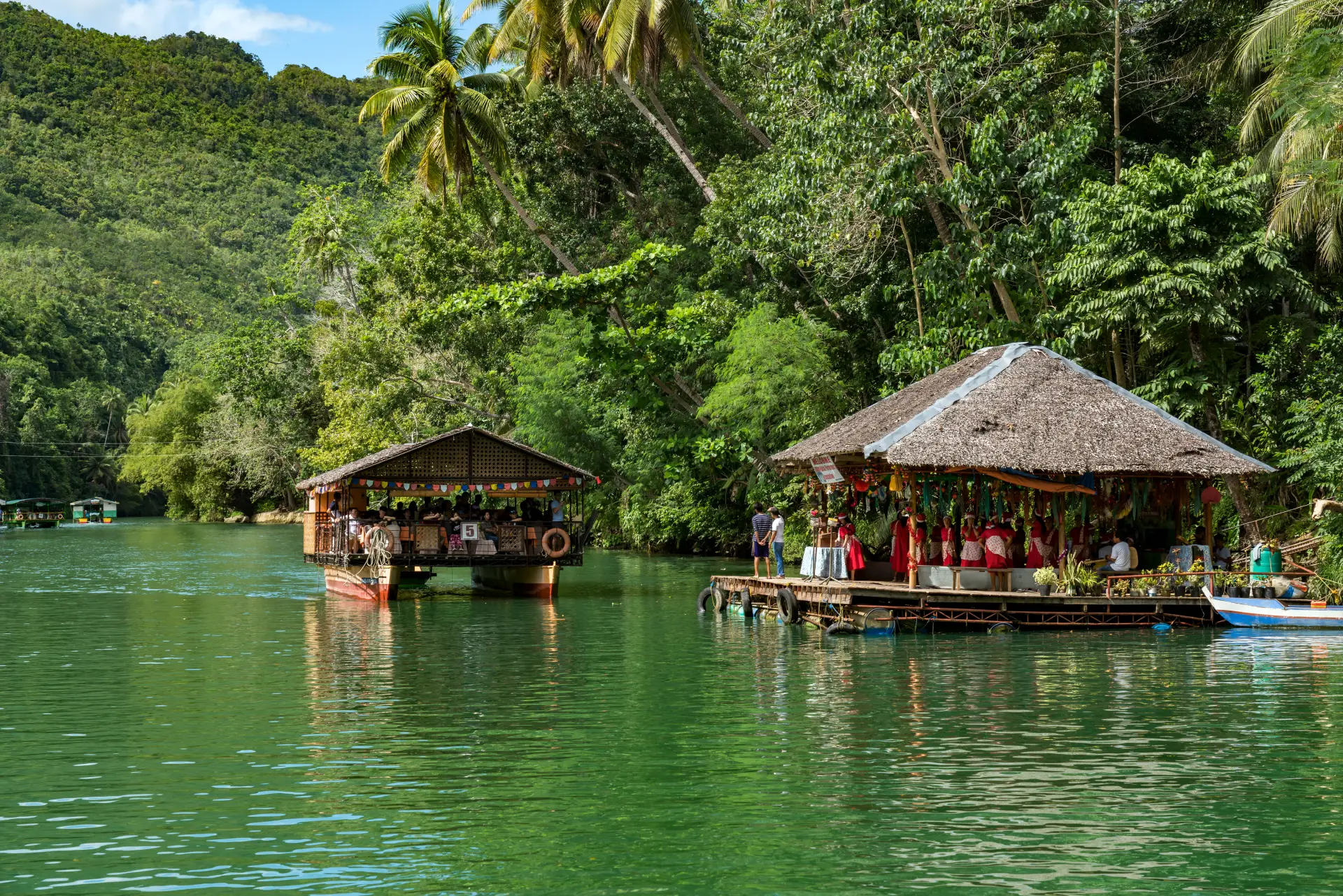
- Inland Adventures: Book a countryside tour. Take a floating restaurant cruise down the emerald-green Loboc River, visit the Tarsier Sanctuary, and check out the stunning Hinagdanan Cave.
- The Farewell Sunset: Grab a table at one of the beach bars on Alona Beach. Watch the famous Panglao sunset, fill out your physical logbook, get your guide to stamp it, and swap photos with your new dive buddies.
Book Smart, Dive Safe
When you are booking your flights to the Philippines, always factor that final 24 hours into your itinerary.
Don’t let the temptation of one last dive ruin a spectacular vacation. The reefs of Balicasag, the walls of Doljo, and the macro critters of Arco Point aren’t going anywhere. They will be waiting right here for your next trip.
If you have questions about how to schedule your dive package around your flights, the team at Sierra Madre Divers is here to help. Contact us today to plan a safe, unforgettable Bohol diving itinerary!