Nature’s Reset Button: What Happens to Bohol’s Coral After a Typhoon? (The Science of Reef Recovery)
Living and diving in the Philippines means accepting a fundamental reality of the tropics: typhoon season.
When a major storm system sweeps through the Visayas, the topside impact is immediately visible. Trees are stripped, boats are pulled ashore, and communities band together to rebuild. But for those of us who make our living beneath the waves at Sierra Madre Divers, our immediate thought always turns to the deep.
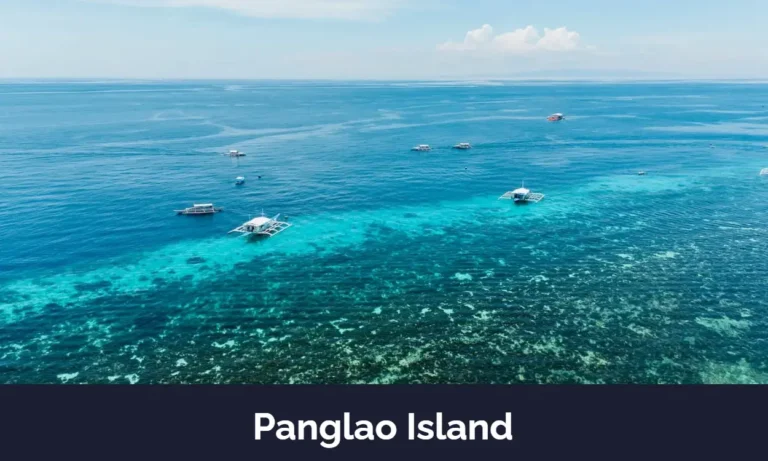
What happens to the delicate, centuries-old coral reefs of Balicasag and Panglao when massive swells and violent currents tear through the ocean?
It is easy to assume that a typhoon is a purely destructive force, leaving nothing but an underwater wasteland in its wake. But the ocean is far more resilient than we give it credit for. In fact, in the grand timeline of marine biology, typhoons actually serve a vital, life-saving purpose.
Here is the fascinating science behind what happens to Bohol’s coral reefs during and after a typhoon, and how the ocean hits the “reset button” to heal itself.
The Immediate Aftermath: The Mechanics of the Damage
When a strong typhoon (like the devastating Typhoon Odette in 2021) hits Bohol, the underwater environment experiences extreme physical and chemical stress.
- Mechanical Breakage: The sheer kinetic force of the storm surge and crashing waves reaches down into the shallows (usually the first 10 to 15 meters). Fast-growing, fragile corals—like the branching staghorn and tabular corals—take the brunt of the impact. They are often snapped off, tumbled across the reef, and turned into rubble.
- Sediment Smothering: The massive rainfall and turbulent water churn up tons of sand, silt, and runoff from the land. This sediment settles like a heavy blanket over the reef. Because corals are living animals that rely on microscopic algae (zooxanthellae) for photosynthesis, being buried in dark mud can suffocate and starve them.
- Salinity Drops: The massive influx of fresh rainwater can drastically lower the salinity of the shallow coastal waters, causing acute osmotic stress to the marine life.
If you dive a reef three days after a major typhoon, it looks chaotic. The vibrant colors are muted by silt, sponges are torn, and the topography of the shallow plateaus can be completely rearranged.
2. The Silver Lining: How Typhoons Save the Reef
Here is the incredible twist of marine biology: coral reefs need typhoons.
If a reef never experiences a storm, it eventually stagnates. Fast-growing, aggressive branching corals will completely monopolize the sunlight and space, choking out the slower-growing, massive boulder corals. A typhoon acts like a forest fire, clearing out the dense brush to allow new, diverse life to grow.
Furthermore, typhoons provide an absolute lifeline against the greatest threat facing our oceans today: Coral Bleaching.
Bleaching occurs when ocean temperatures rise too high, causing the corals to expel their food-producing algae and turn bone white.
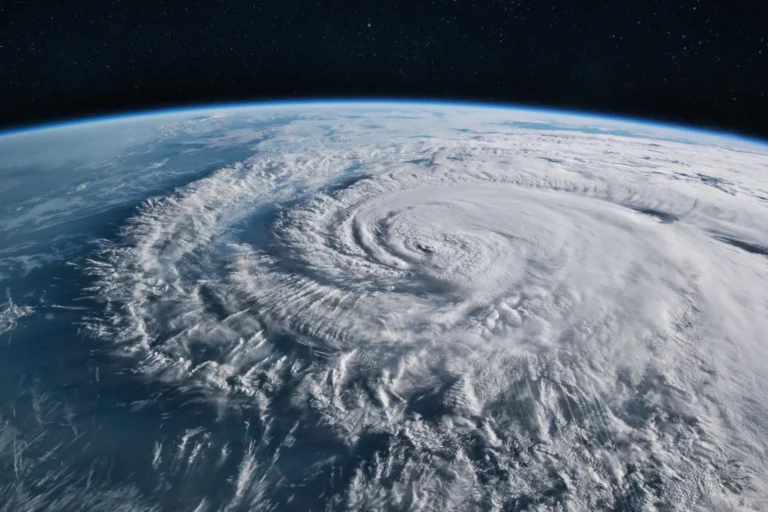
- The Deep Water Upwelling: A typhoon is essentially a giant heat engine. As it churns across the ocean, it pulls deep, freezing-cold water up to the surface.
- The Shade Effect: The massive cloud cover blocks the intense, baking UV rays of the sun for days or weeks.
A typhoon can literally drop the water temperature of the Bohol Sea by several degrees in a matter of hours, instantly stopping coral bleaching in its tracks and saving the reef from a mass extinction event.
3. The Science of Recovery: The Timeline
The healing process begins the moment the storm passes, and it is a masterclass in teamwork.
Phase 1: The Cleanup Crew (Days to Weeks) When the corals are broken and the reef is covered in rubble, fast-growing nuisance algae try to take over. If the algae win, the coral cannot regrow. This is when the herbivores step up. The reef relies entirely on grazing fish (like Parrotfish and Surgeonfish) and sea urchins to act as underwater lawnmowers, aggressively eating the algae and keeping the bare rock clean so new coral can settle.
Phase 2: Asexual Reproduction (Months) Remember those broken pieces of branching coral tumbling across the sand? They aren’t dead. Corals can reproduce asexually through a process called fragmentation. If a broken piece of coral lands in a stable, clean spot, it will literally fuse itself to the rock and begin growing into a brand-new, independent colony. The typhoon essentially acts as a gardener, taking “cuttings” and planting them all over the reef.
Phase 3: The Pioneers (1 to 3 Years) Once the rock is clean, microscopic coral larvae floating in the ocean current will settle on the newly exposed areas. Fast-growing pioneering species (like Pocillopora) are the first to colonize the empty spaces, laying the foundation for the slower, more massive corals to follow.
4. How Divers Can Help the Healing Process
The reefs of Bohol are remarkably resilient, but they are vulnerable during the recovery phase. They can bounce back from a natural disaster, but they struggle to bounce back from a natural disaster combined with human negligence.
If you are diving in Bohol after a major storm season, you play a vital role in the recovery.
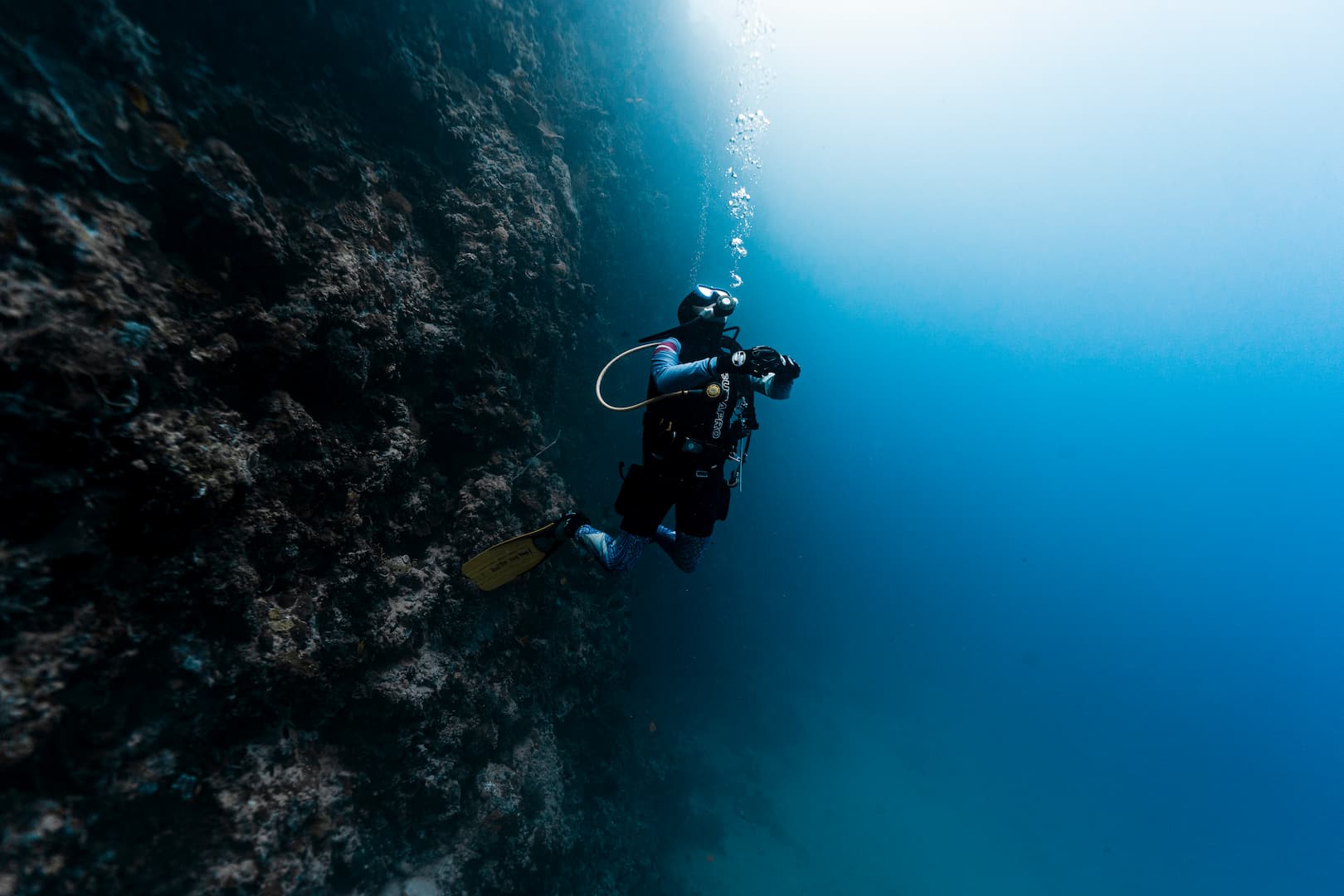
- Perfect Your Buoyancy: This is the most critical factor. When the reef is trying to regrow, the new coral polyps are microscopic and incredibly fragile. A single stray fin kick can destroy a year’s worth of regrowth. Master your hover, keep your fins elevated (use that frog kick!), and never touch the bottom.
- Respect the Sanctuaries: Places like Balicasag Island enforce strict rules to protect their ecosystems. Respect the “no-take” zones. We need every single parrotfish and herbivore on that reef to eat the algae so the corals can recover.
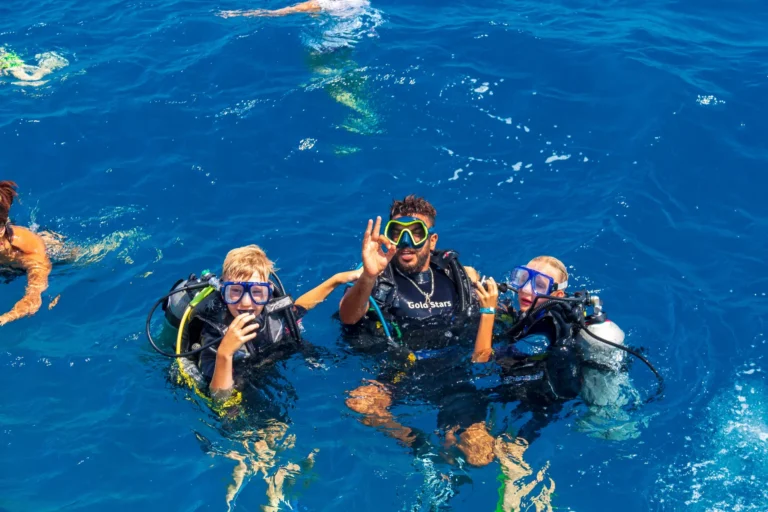
- Dive with Responsible Operators: Choose a PADI 5-Star Center like Sierra Madre Divers. We do not anchor on the reefs, we actively monitor the health of our local dive sites, and our guides will immediately correct divers who exhibit destructive behavior.
Nature Always Finds a Way
Diving a reef that is recovering from a typhoon is a profoundly humbling experience. It changes your perspective. You stop looking at the broken branches and start noticing the vibrant, neon-colored new growth sprouting from the rubble. You witness the sheer, unstoppable will of nature to survive and adapt.
The Bohol Sea has weathered thousands of typhoons over the millennia, and with responsible diving practices, it will weather thousands more.
Book your next dive trip with Sierra Madre Divers and come witness the enduring, resilient beauty of the Philippine reefs.