The Gentle Giants of the Deep: Prime Whale Shark Season in Bohol (And Why Natural is Always Better)
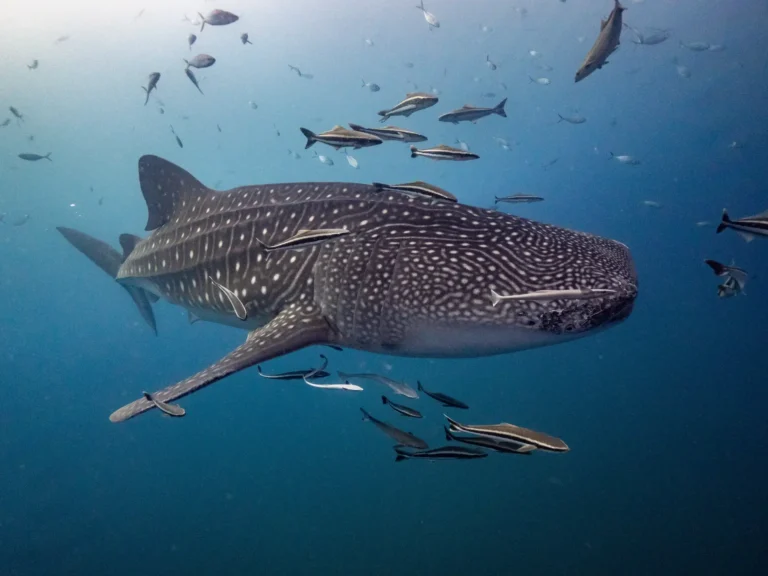
For most scuba divers, the bucket list has one undeniable king. It is a creature so massive it blocks out the sun, yet so gentle it poses zero threat to anything larger than a plankton.
Diving with a Whale Shark is a transformative experience. Watching a fish the size of a school bus glide effortlessly through the water is a moment that redefines your place in the natural world.
If you are planning your 2026 dive trip to the Philippines, you likely already know that this country is one of the best places on earth to see them. But how and where you choose to see them matters immensely.
In Bohol, we are blessed with a natural migration route for these gentle giants. Here is your guide to the prime whale shark season in the Bohol Sea, where to find them, and why Sierra Madre Divers fiercely advocates for natural, unbaited encounters over the crowded feeding sites.
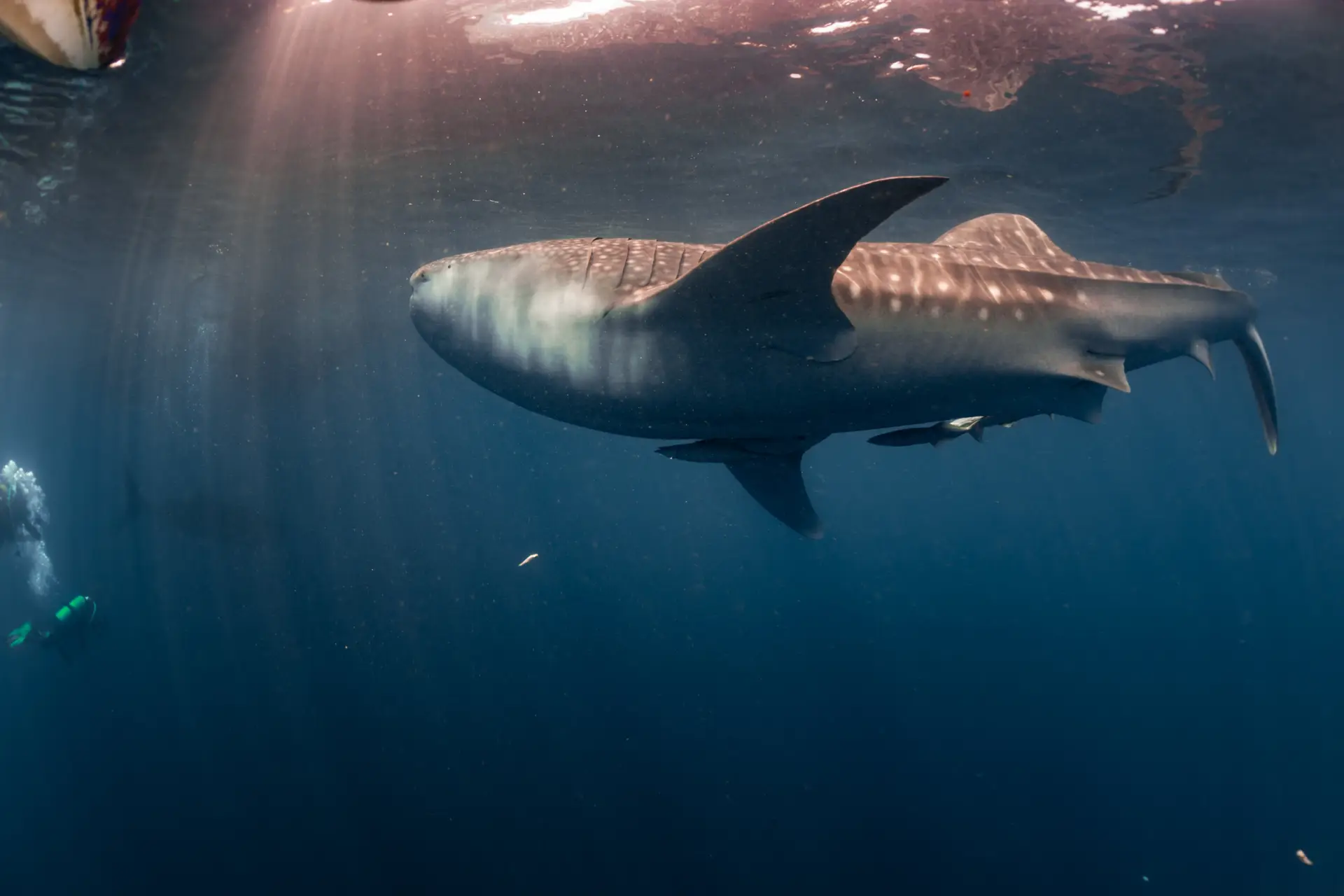
When is the Prime Season?
Whale sharks are highly migratory, following the blooms of plankton, krill, and small fish across the world’s oceans. While they can occasionally be spotted year-round in the deep waters of the Visayas, there is a distinct peak season.
The Magic Window: November to May The absolute best time to spot a wild whale shark in Bohol is during the Amihan (Northeast Monsoon) season, peaking between January and May.
During these months, the wind patterns and cooler water temperatures create upwellings in the Bohol Sea. These upwellings bring nutrient-rich water from the deep to the surface, causing massive plankton blooms. Where there is plankton, the whale sharks follow.
By timing your trip with Sierra Madre Divers during this window, you maximize your chances of a natural fly-by while enjoying the absolute best visibility and surface conditions the region has to offer.
Where Do We See Them? The Pamilacan Connection
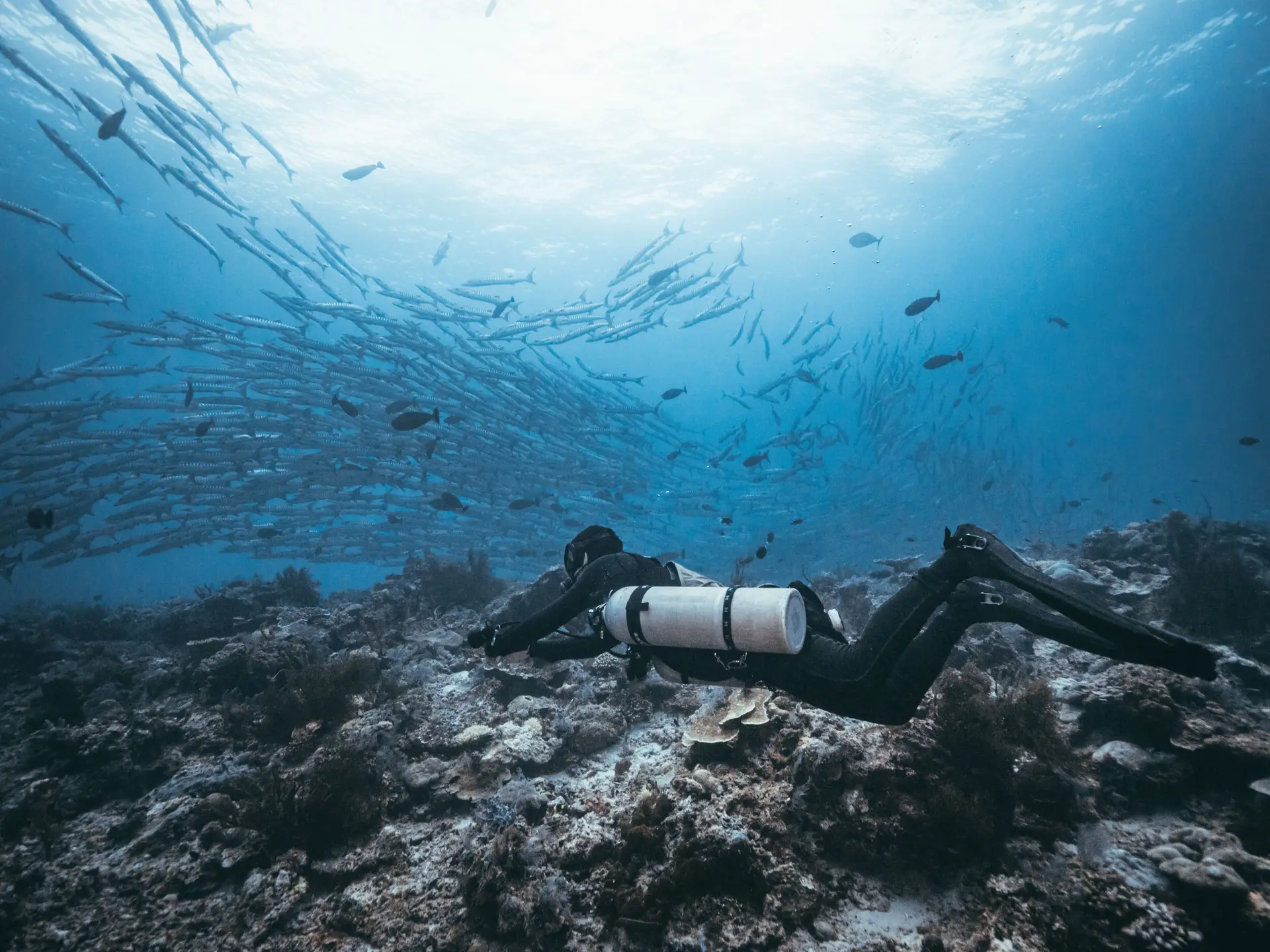
If you want to see a wild whale shark in Bohol, you have to look into the blue. They do not typically hang out on the shallow, sandy reefs; they use the deep channels between the islands as highways.
Our best location for wild encounters is Pamilacan Island.
As we covered in our dive site reviews, Pamilacan sits exposed in the heart of the Bohol Sea, surrounded by deep, sweeping currents. It is an ancient hunting ground turned marine sanctuary. When we dive sites like the Spanish Tower or Dakit-Dakit during the peak season, our dive guides always keep one eye peeled on the open ocean.
A natural encounter usually happens like this: You are drifting along the beautiful coral wall, looking at the reef. Suddenly, your guide bangs on their tank and points frantically into the deep blue. A massive silhouette materializes from the edge of your visibility, cruises past the group with slow, powerful sweeps of its tail, and vanishes back into the depths.
It is a fleeting, heart-pounding, and entirely authentic moment.
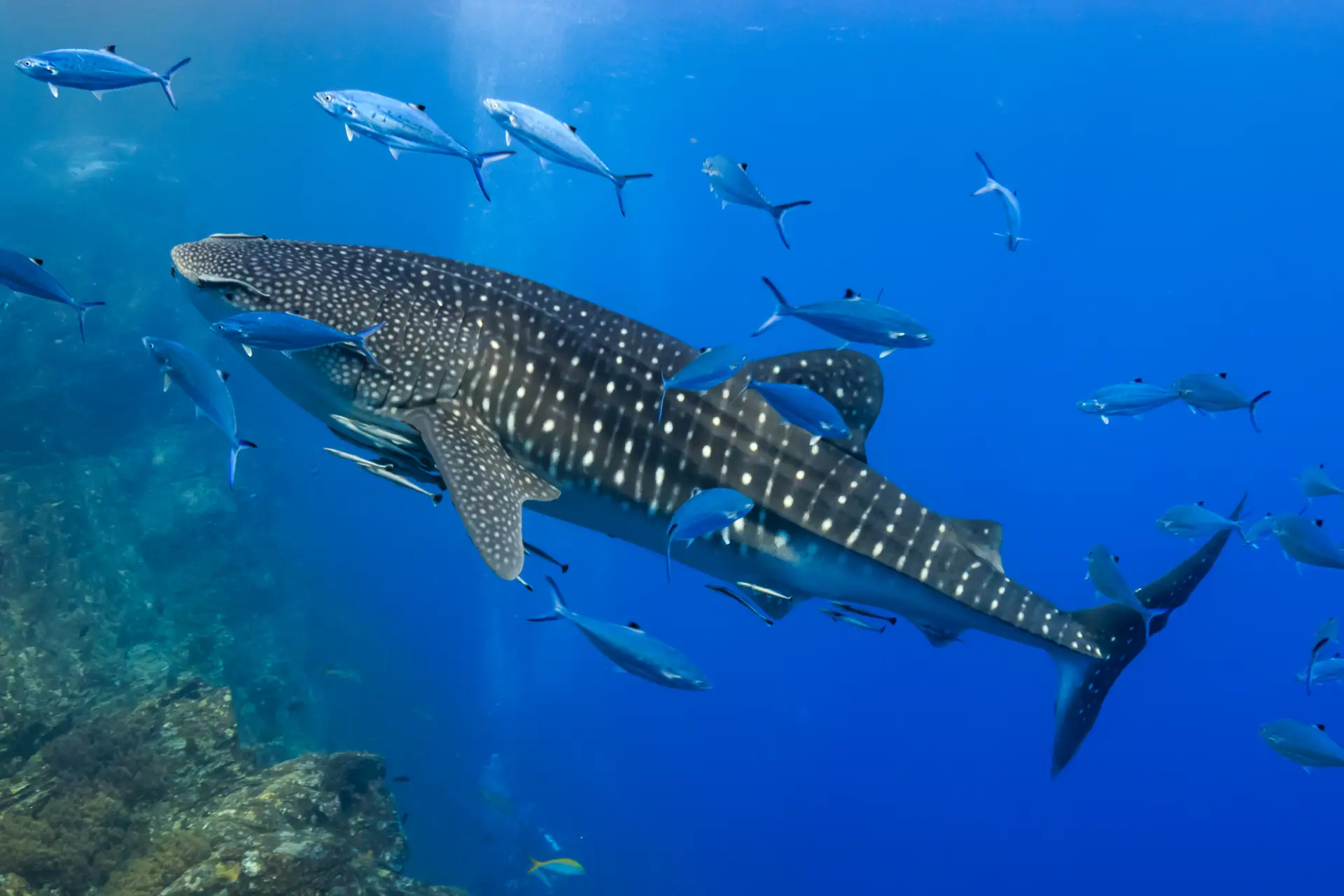
The Elephant in the Room: Natural vs. Provisioned Viewings
When researching whale sharks in the Philippines, you will inevitably read about Oslob (in neighboring Cebu). At this location, fishermen feed the sharks handfuls of krill to keep them near the surface for tourists. They offer a “100% guarantee” of seeing a shark.
So, if you can get a guaranteed sighting just down the road, why do we advocate for the wild encounters?
Because the cost of that guarantee is too high for the animals. At Sierra Madre Divers, we promote ethical eco-tourism, and the scientific consensus is clear: feeding whale sharks alters their natural behavior in dangerous ways.
1. The Migration Disruption Whale sharks are meant to travel thousands of miles to breed and find diverse food sources. When they are fed daily in one spot, they stop migrating. They become resident “beggars,” which disrupts the global breeding patterns of an already endangered species.
2. Poor Nutrition and Disease The krill fed to the sharks at provisioned sites is not a complete diet. It’s the equivalent of a human eating nothing but fast food. Furthermore, the high concentration of sharks and humans in a small, shallow area leads to poor water quality and an increased risk of disease and skin infections for the animals.
3. Boat Strikes and Desensitization Wild whale sharks naturally avoid boats. Provisioned sharks learn to associate boat engines with food. This learned behavior is deadly when they eventually leave the protected bay and approach commercial fishing vessels or ferries, resulting in severe propeller scars.
4. The “Zoo” Experience From a purely experiential standpoint, provisioned sites are chaotic. You are often in the water with hundreds of other splashing tourists, surrounded by the smell of dead krill and diesel fumes, watching an animal passively gulp food from a canoe. It feels more like a crowded amusement park than a profound nature encounter.
The Magic of the Wild Encounter
A wild encounter offers something a fed encounter never can: The thrill of the unexpected.
When a wild whale shark chooses to swim past your dive group at Pamilacan, it is doing so on its own terms. It is not there because it was bribed; it is simply sharing its natural habitat with you for a brief, glorious moment.
There is a profound ethical peace of mind in knowing that your presence has not altered the animal’s behavior or harmed its chances of survival. You get to observe a wild apex filter-feeder exactly as nature intended.
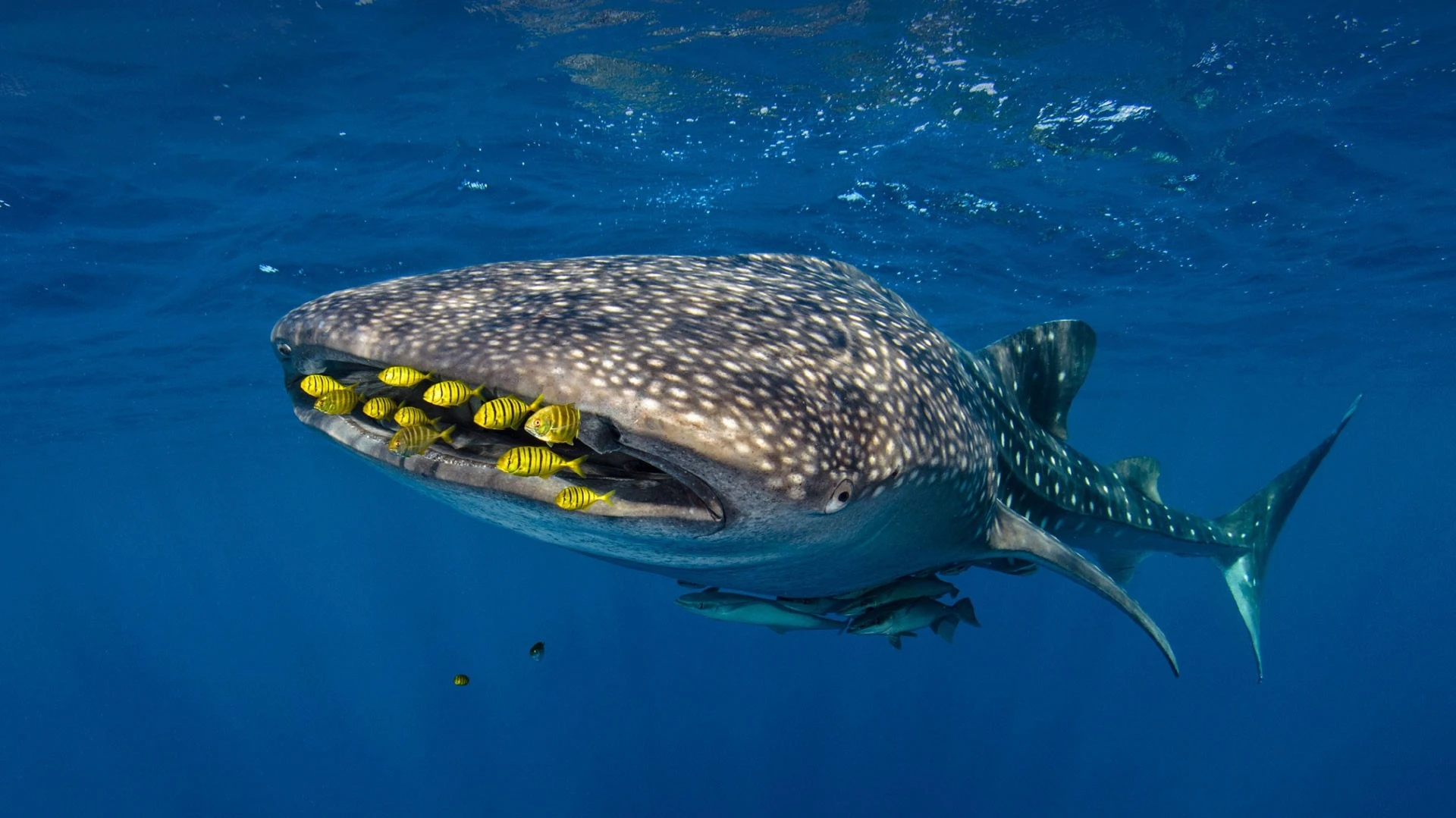
Managing Expectations with Sierra Madre Divers
We believe in honesty. We will never guarantee that you will see a whale shark on a dive. The ocean is not an aquarium, and these animals roam vast distances.
What we do guarantee is that we will take you to the best possible locations, during the best possible season, with expert local guides who know exactly where to look. We guarantee that if you do see one, it will be a 100% ethical, natural, and awe-inspiring encounter.
Book Your 2026 Adventure
If you are ready to roll the dice with nature and experience the true magic of the Bohol Sea, the prime season is calling.
Pack your gear, respect the ocean, and keep your eyes on the blue. Contact Sierra Madre Divers today to book your dive package for the upcoming whale shark season!