Refresher Dives in Bohol: What to Expect If You Haven’t Dived in Years
It is a story we hear at the dive center almost every day.
You got certified on a spectacular vacation five years ago. You promised yourself you would dive every year. But then life happened. You bought a house, changed careers, had kids, or the world simply shut down for a while. Before you knew it, half a decade had passed since you last breathed underwater.
Now, you have finally booked that dream trip to the Philippines. You want to see the turtles of Balicasag Island, but a knot of anxiety is forming in your stomach. Will I remember how to set up my gear? What if I panic when I clear my mask? Have I completely forgotten how to control my buoyancy?
First of all: take a deep breath. This is completely normal.
At Sierra Madre Divers, we specialize in welcoming lapsed divers back to the ocean. There is zero judgment here. To help you overcome the jitters, here is a candid, step-by-step guide to what you can expect when you book a scuba refresher in the Philippines, and why the calm waters of Bohol are the absolute best place to rediscover your scuba legs.
The Hard Truth: Do You Really Need a Refresher?
Divers often ask us, “It has been 18 months, do I really have to do a refresher?”
Our standard rule of thumb is this: If you have been out of the water for more than six months to a year (depending on your total experience level), a refresher is highly recommended. If it has been over two years, it is absolutely mandatory.
Scuba diving is incredibly safe, but it relies heavily on muscle memory. When a regulator gets knocked out of your mouth, you shouldn’t have to consciously think about how to retrieve it; your arm should just do the sweep automatically.
A scuba refresher is not a punishment. It is an investment in your safety and, more importantly, your enjoyment. You don’t want to spend your first dive in Bohol staring at your inflator hose trying to remember which button is which while a whale shark swims past you. A refresher gets the awkwardness out of the way so you can actually enjoy your vacation.
Step-by-Step: What Actually Happens During the Refresher?
If you are a certified PADI diver, this program is officially called PADI ReActivate. If you belong to another agency, the structure is very similar. It is a relaxed, low-stress process designed to rebuild your confidence.
Step 1: The Theory Check You won’t have to sit in a classroom for two days. Before your dive, you will do a quick knowledge review. This can be done via PADI eLearning on your phone before you even arrive in the Philippines, or as a quick quiz at the dive shop. We just want to make sure you remember the golden rules: never hold your breath, and ascend slowly.
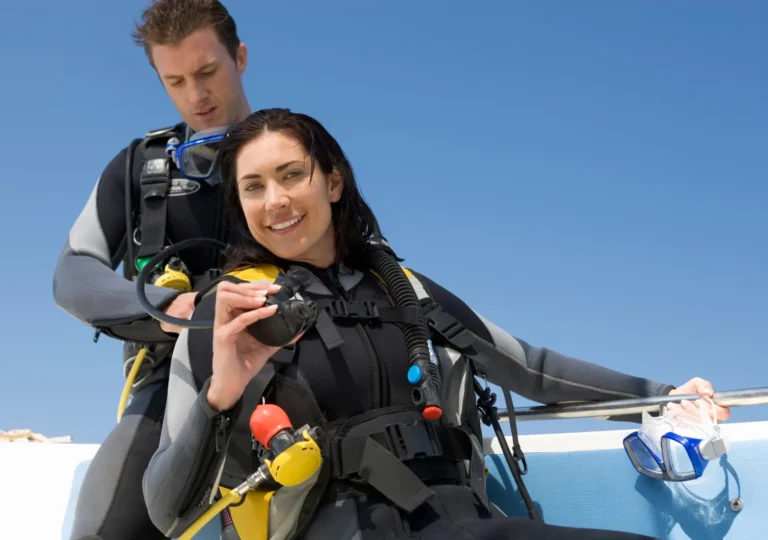
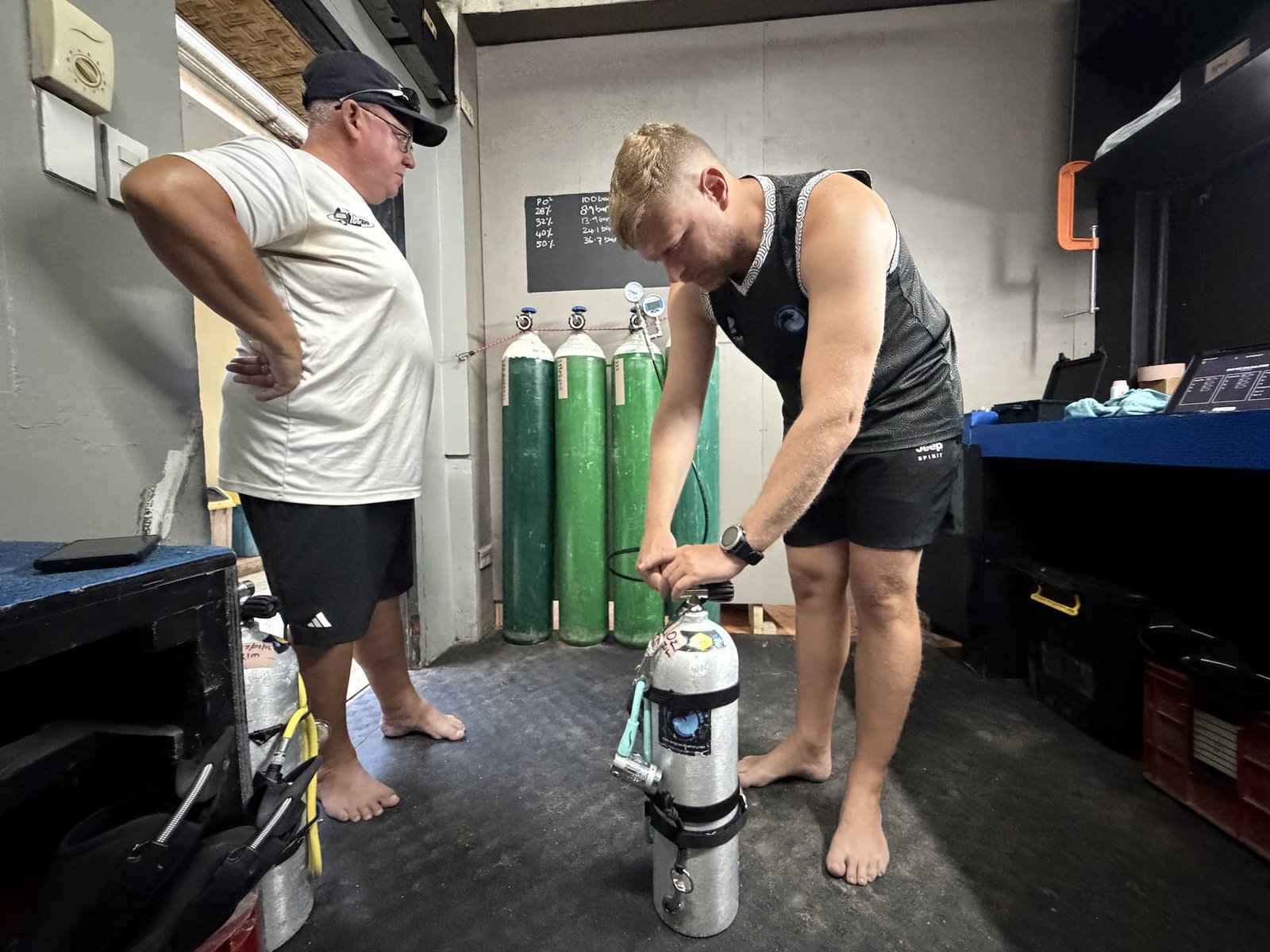
Step 2: The Gear Setup Your Sierra Madre Divers instructor will walk you through setting up your scuba unit. We don’t just do it for you; we gently guide you through the process so the muscle memory of attaching the first stage and testing the inflator hose comes rushing back.
Step 3: Confined Water Skills We don’t throw you straight into the deep blue. We take you to a calm, shallow, pool-like environment (either a real swimming pool or a shallow, sandy beach area right off Panglao where you can stand up if needed). You will practice the core survival skills with your instructor:
- Clearing a partially and fully flooded mask.
- Recovering a lost regulator.
- Practicing alternate air source use (sharing air).
- Reviewing hand signals.
- Finding neutral buoyancy (hovering).
Step 4: The Fun Dive Once you and your instructor are happy with your skills, the real fun begins. You seamlessly transition from the shallow water into a full, guided open-water dive on one of our beautiful local reefs. Your instructor stays right by your side, helping you fine-tune your buoyancy and pointing out the incredible marine life.
Why Bohol is the Ultimate “Welcome Back” Destination
If you are feeling nervous about getting back in the water, the environment you choose for your refresher makes a massive difference.
- Warm Water Therapy: Trying to remember how to dive while squeezing into a thick, restrictive 7mm wetsuit and a hood in freezing water is miserable. The Bohol Sea sits at a glorious 28°C to 30°C (82°F to 86°F). You only need a lightweight 3mm suit or a rash guard, allowing you to move freely and breathe easily.
- Zero-Current Training Sites: We don’t do refreshers in ripping drift currents. Sites like our local Alona Beach house reefs or Kalipayan offer zero-to-mild currents with pristine, sandy bottoms. It is the perfect, stress-free studio for finding your balance.
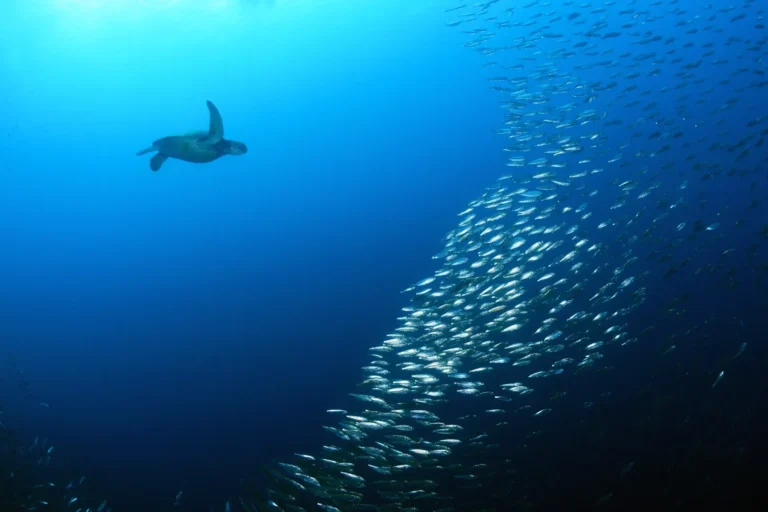
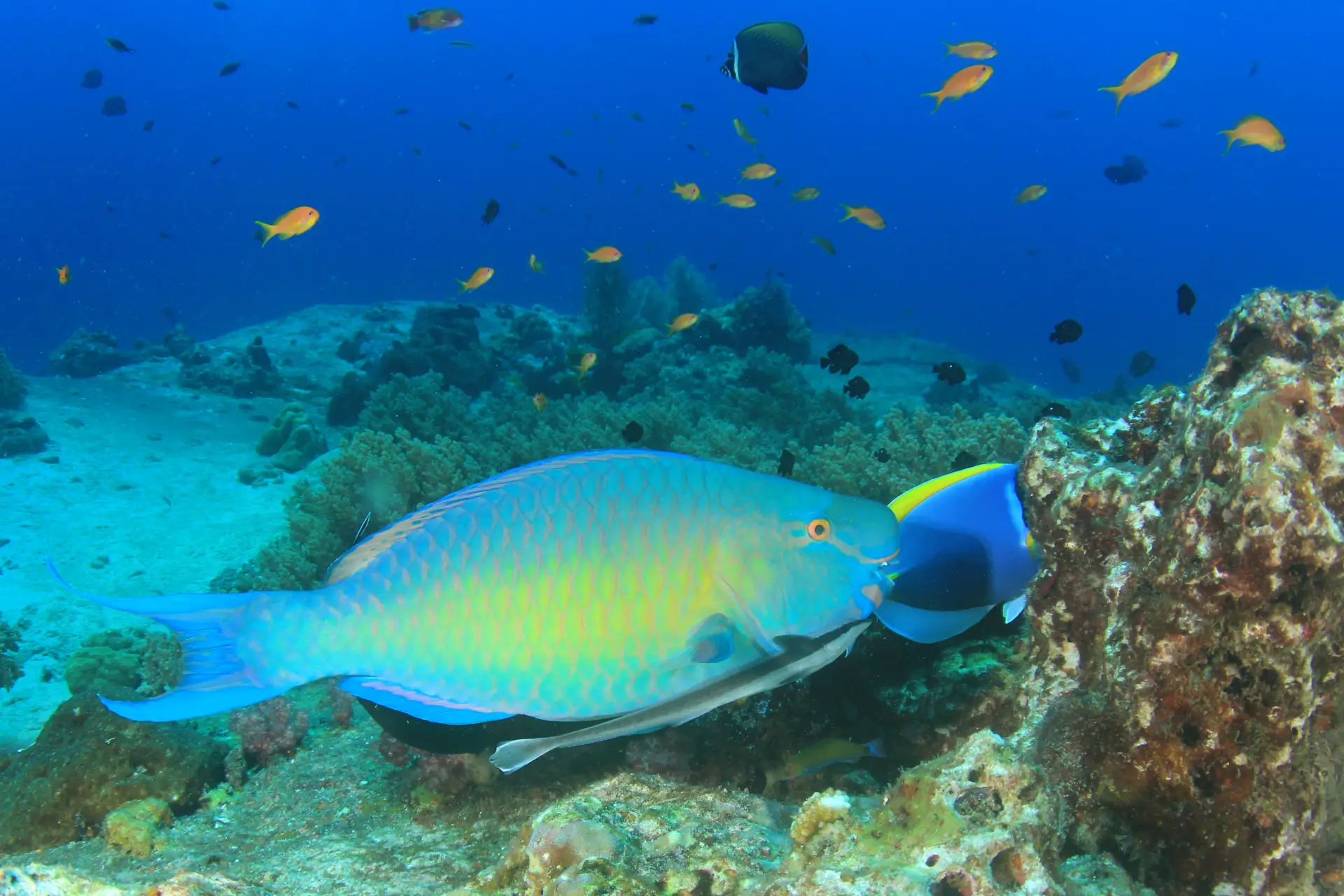
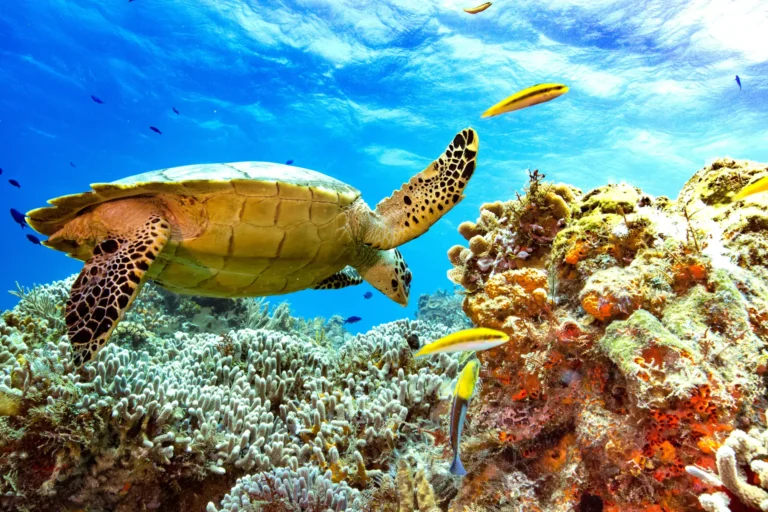
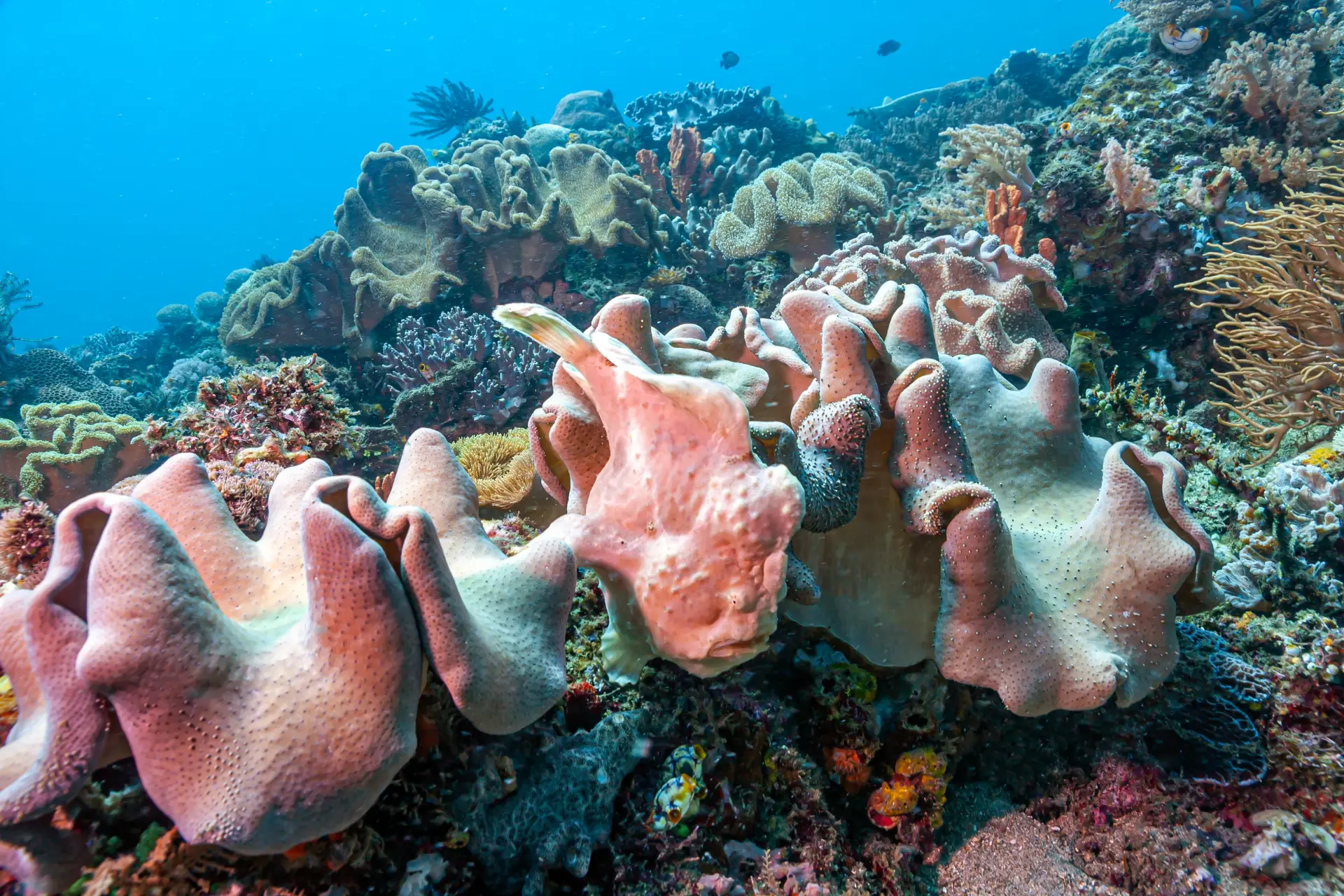
- Incredible Distractions: The best way to cure scuba anxiety is to get distracted by something beautiful. The moment you see your first Bohol sea turtle or a vibrant school of reef fish, the muscle memory kicks in, the nerves vanish, and you remember exactly why you fell in love with diving in the first place.
The Mental Game: Trust the Process
The hardest part of a scuba refresher is simply walking through the doors of the dive shop. Many lapsed divers feel embarrassed that they have forgotten things.
Please leave that embarrassment at the door.
At Sierra Madre Divers, our instructors are professionals who specialize in patience. We will never rush you. If you need to practice clearing your mask five times in the shallows before you feel comfortable, we will practice it five times. We go at your exact pace.
Welcome Back to the Blue
You already did the hard work of getting certified. Don’t let a gap in your logbook keep you away from the magic of the Philippine reefs.
Taking a couple of hours to refresh your skills is the best way to guarantee that the rest of your vacation is safe, relaxed, and spectacular. Ready to get your gills wet again? Contact Sierra Madre Divers today to schedule your scuba refresher in Bohol, and let’s get you back in the water!